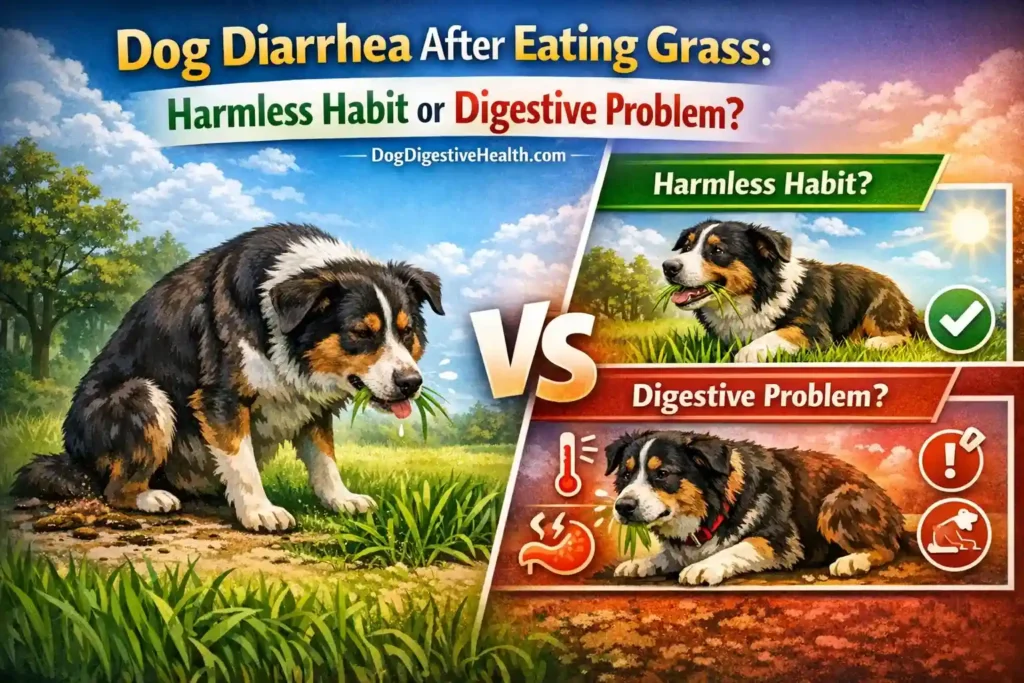
Diarrhea in dogs is one of the most common digestive issues pet owners face. While occasional loose stool may resolve quickly, persistent or severe diarrhea can signal an underlying health problem that requires attention. Understanding the difference between mild digestive upset and a veterinary emergency is critical for protecting your dog’s well-being.
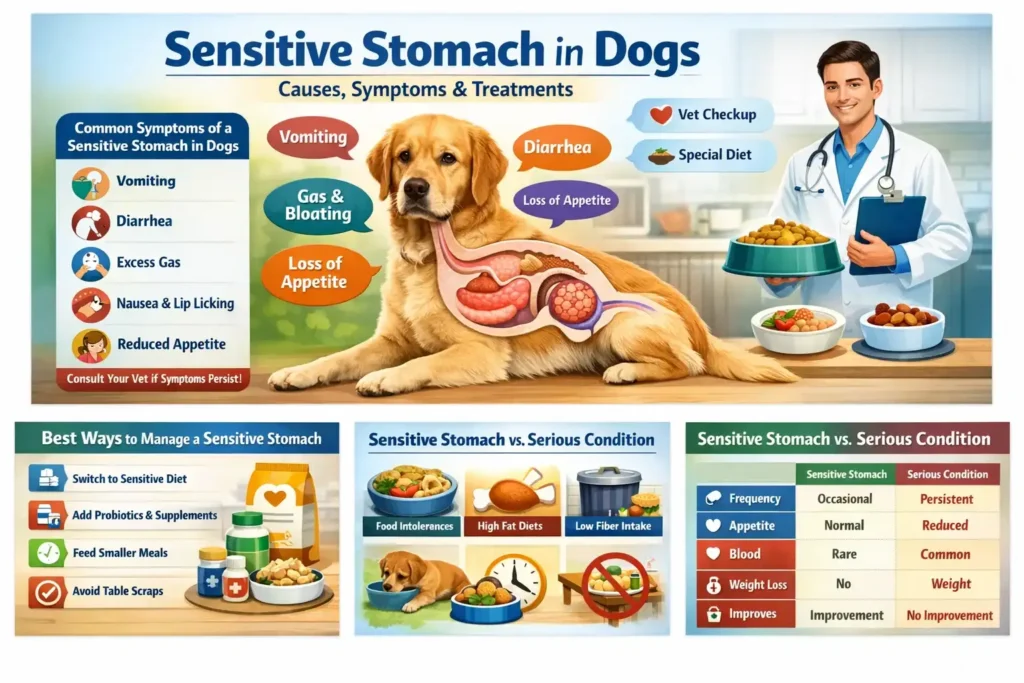
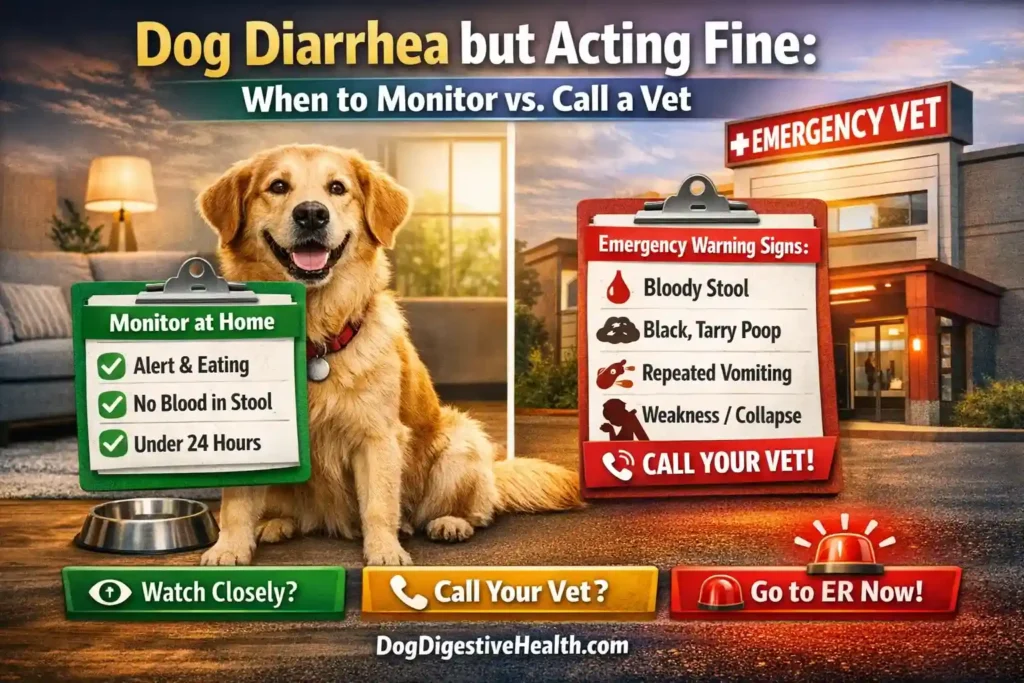
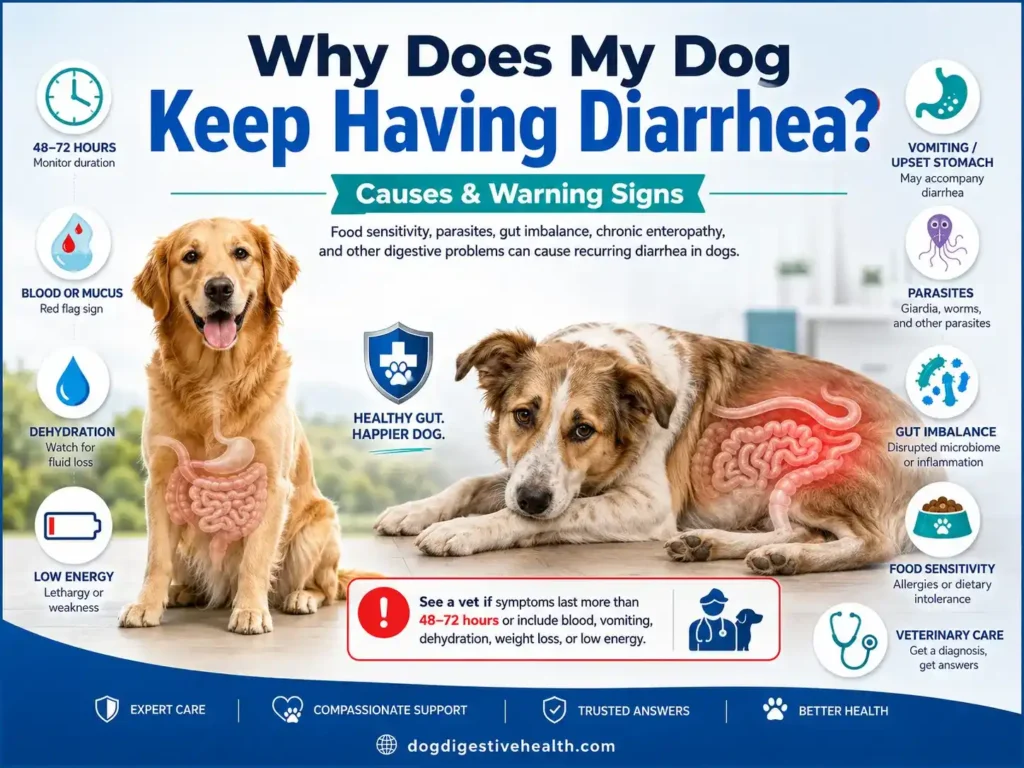
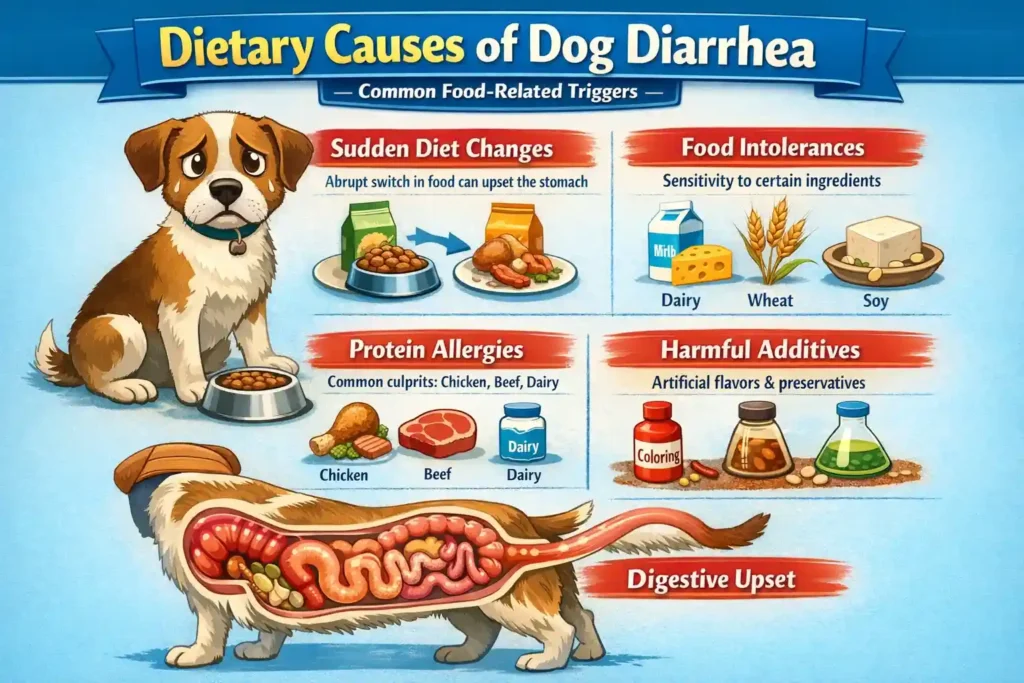
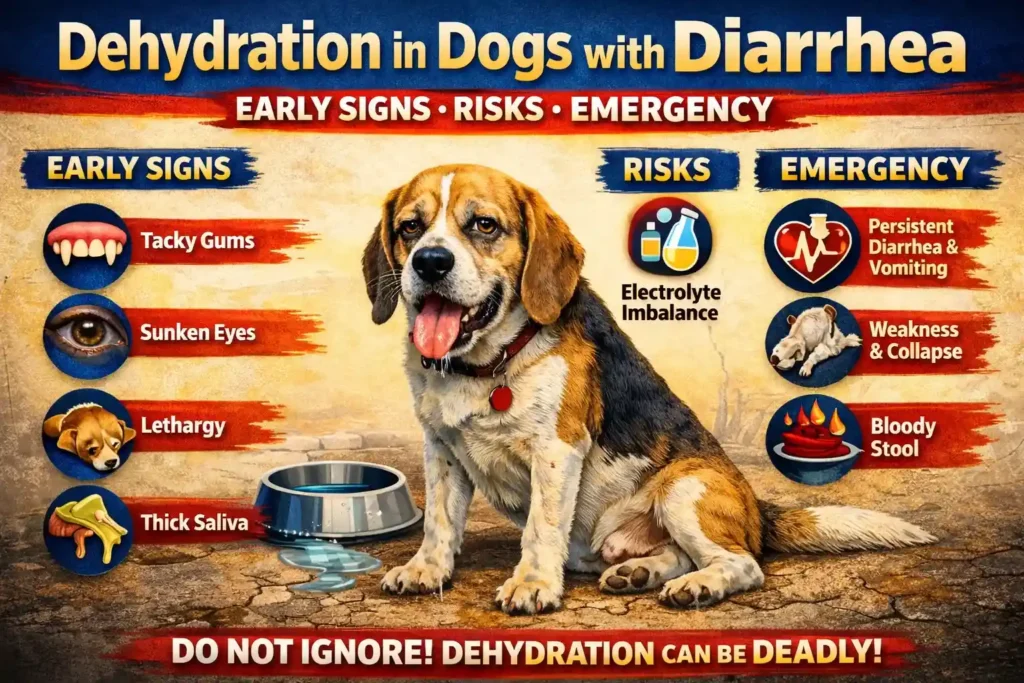
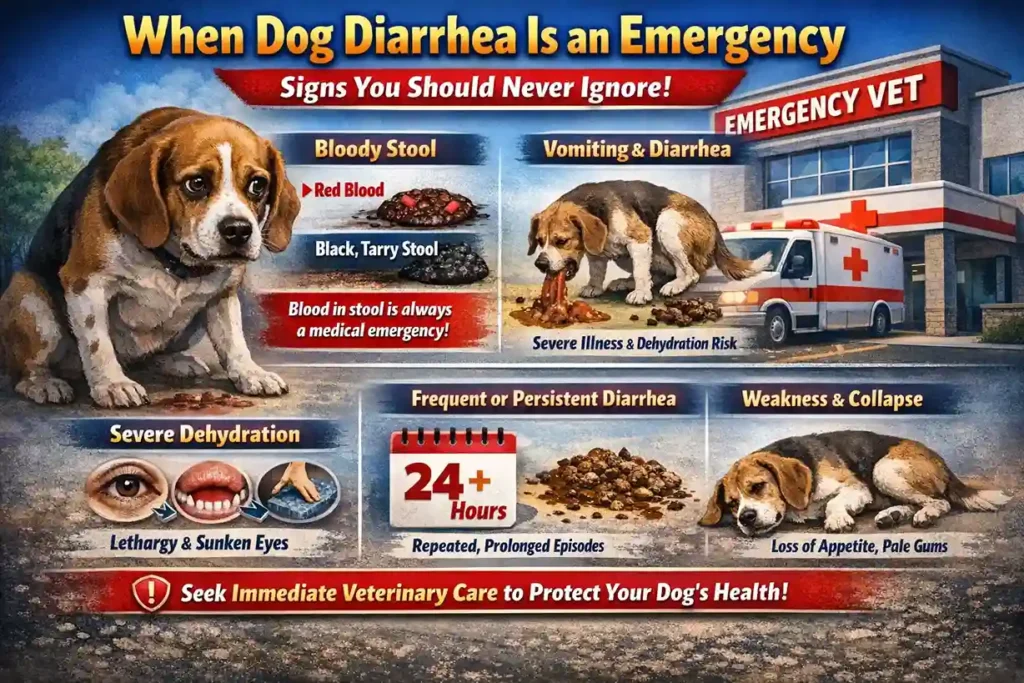
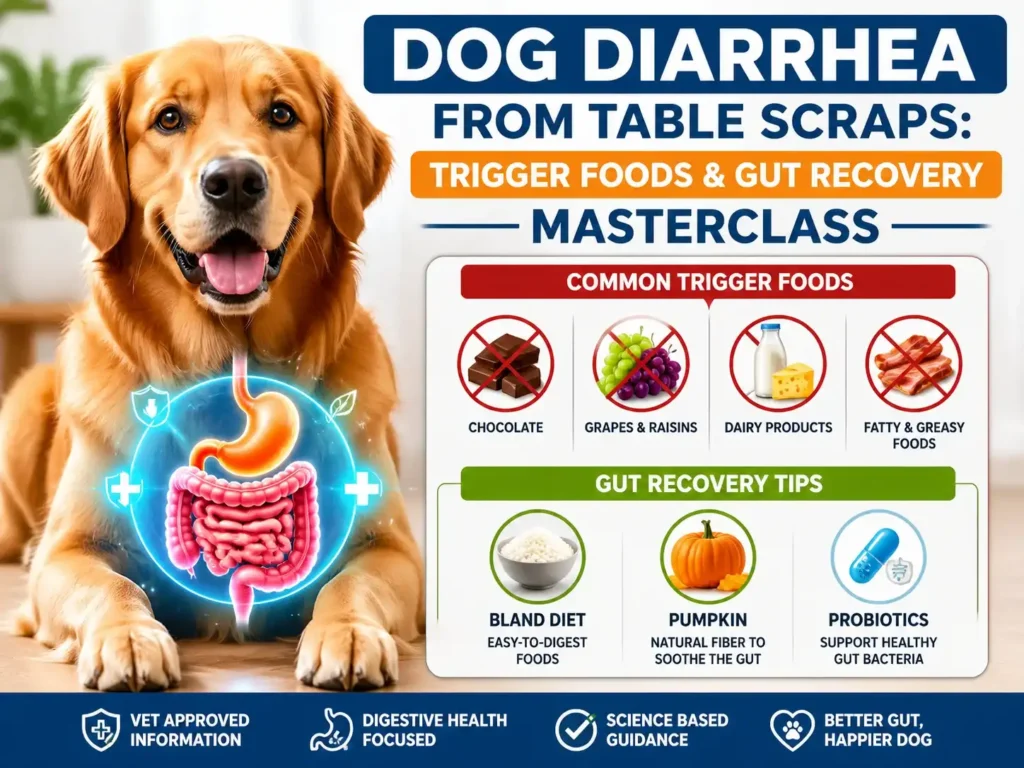
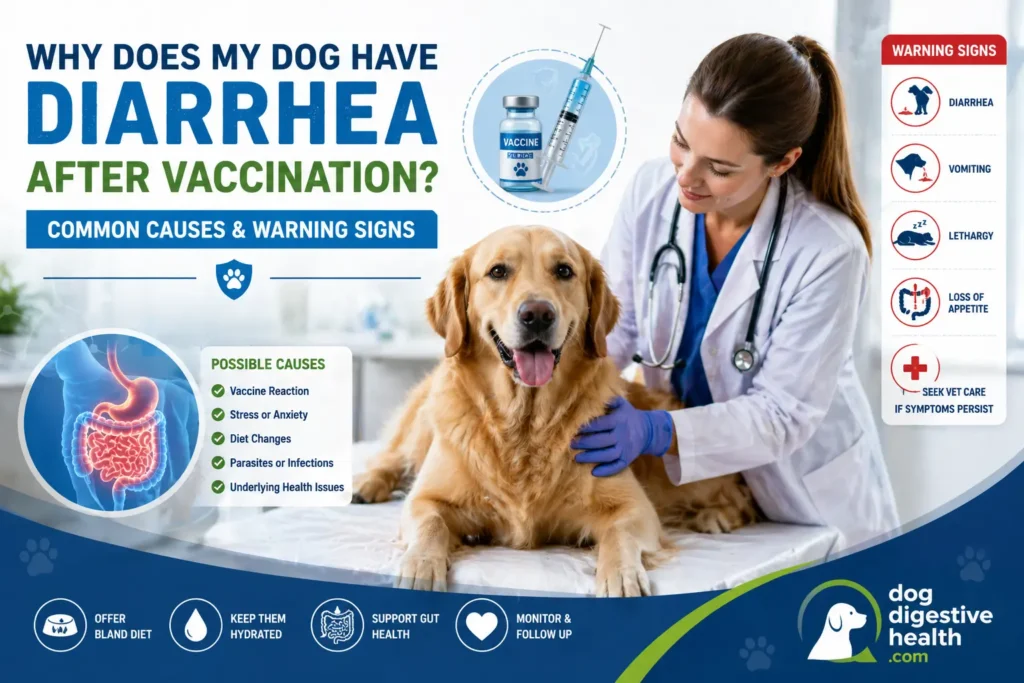
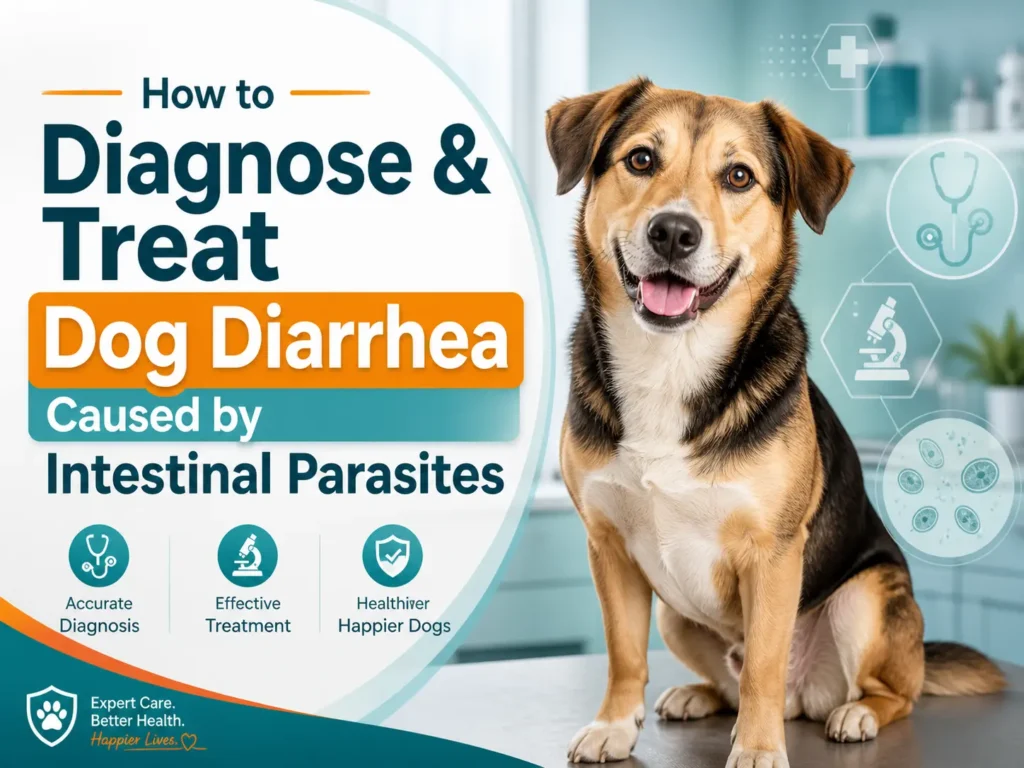
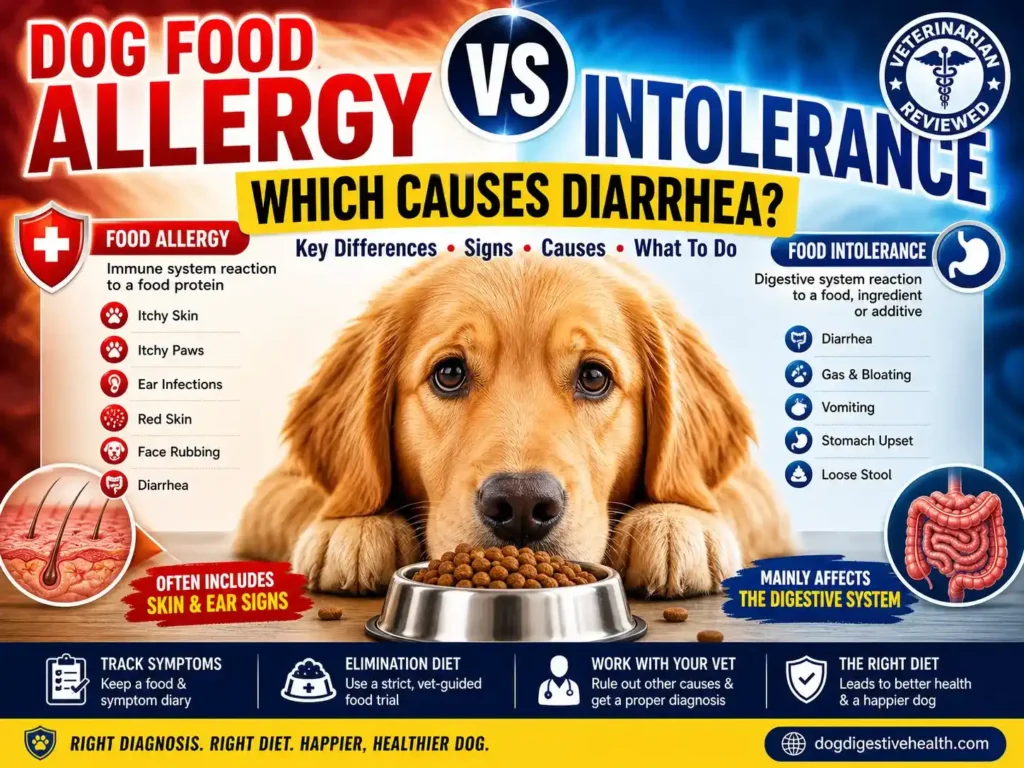
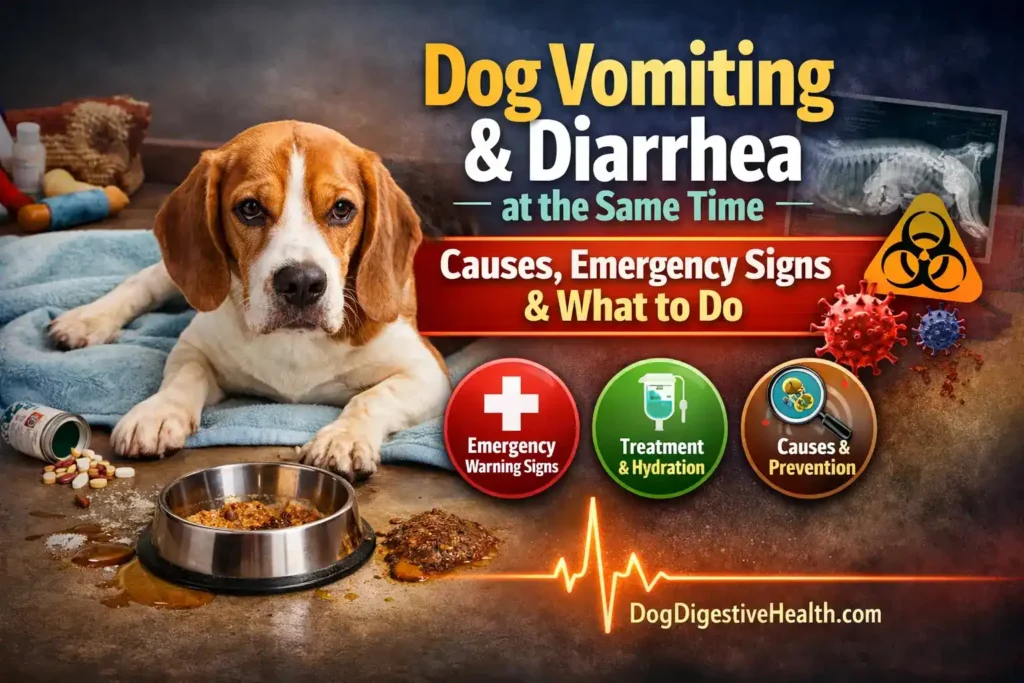
Dog diarrhea can be caused by many factors, including sudden diet changes, food intolerances, intestinal parasites, bacterial infections, stress, antibiotic use, inflammatory bowel disease, or ingestion of spoiled or toxic substances. In some cases, diarrhea may appear alongside vomiting, lethargy, dehydration, or blood in the stool — signs that should never be ignored.
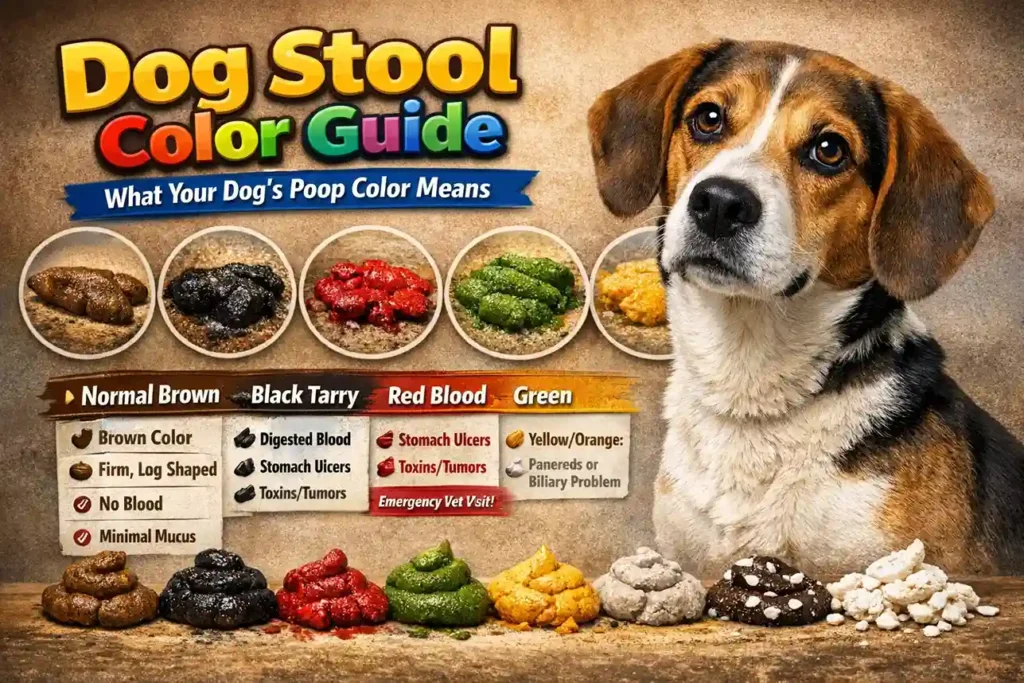
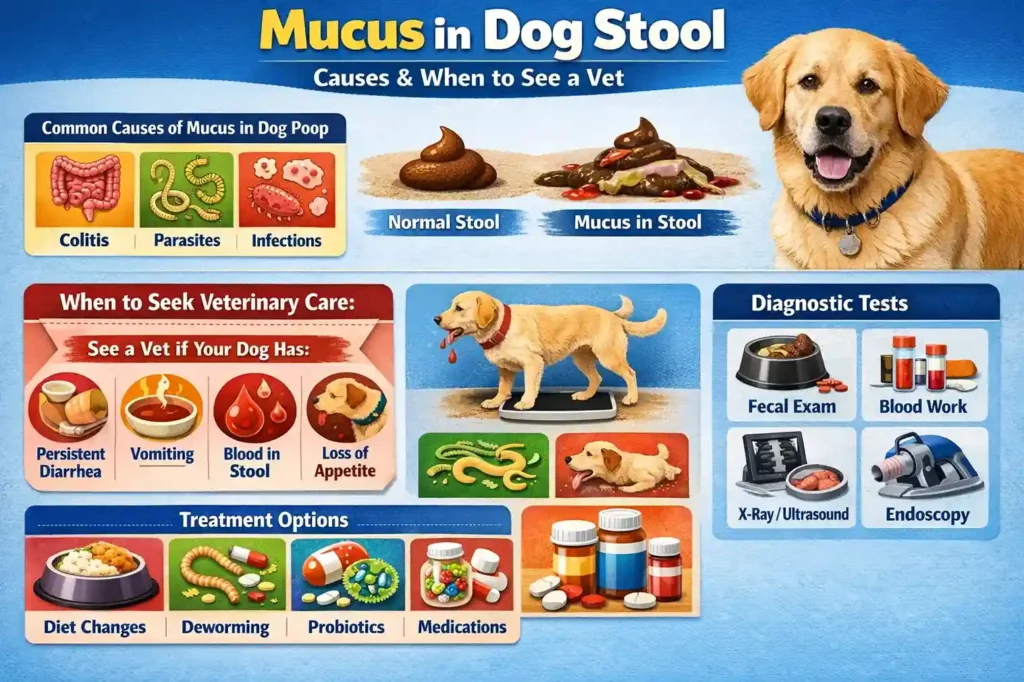
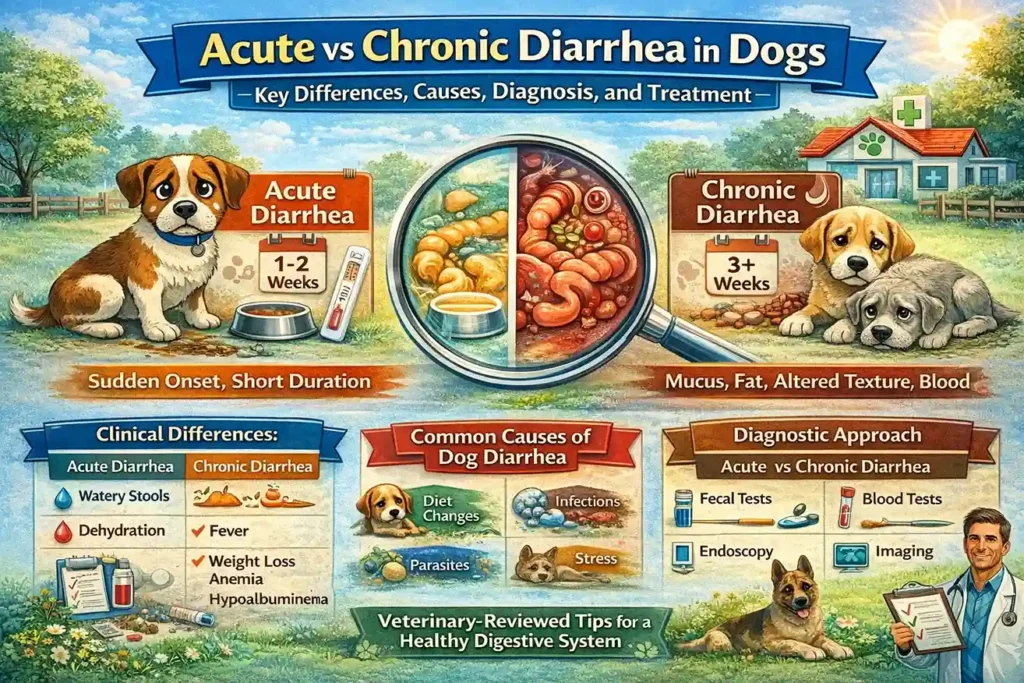
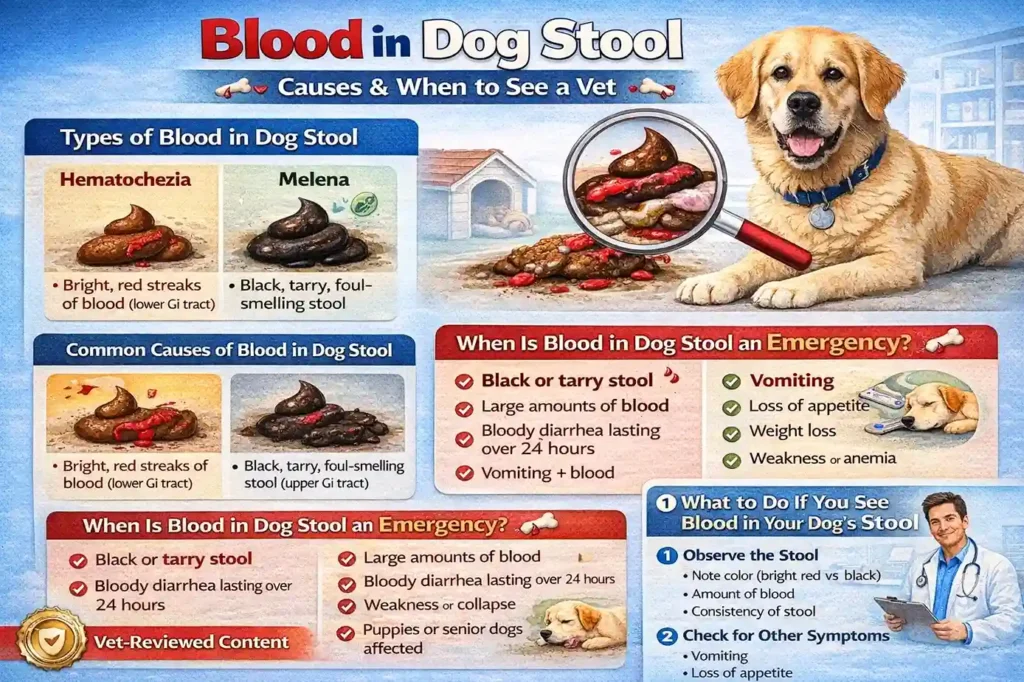
The color, consistency, and duration of diarrhea provide important clues. For example, bright red blood (hematochezia) may indicate lower intestinal irritation, while black tarry stool (melena) can signal upper digestive bleeding. Mucus in stool may point to colitis, while chronic diarrhea lasting more than two to three weeks may suggest a deeper inflammatory or metabolic condition.
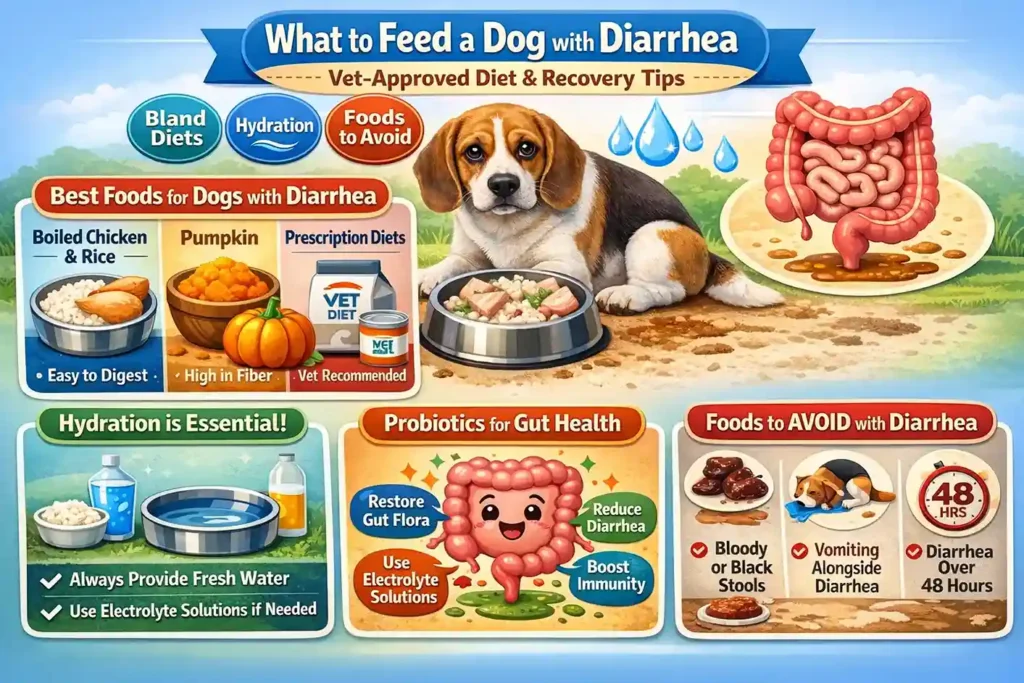
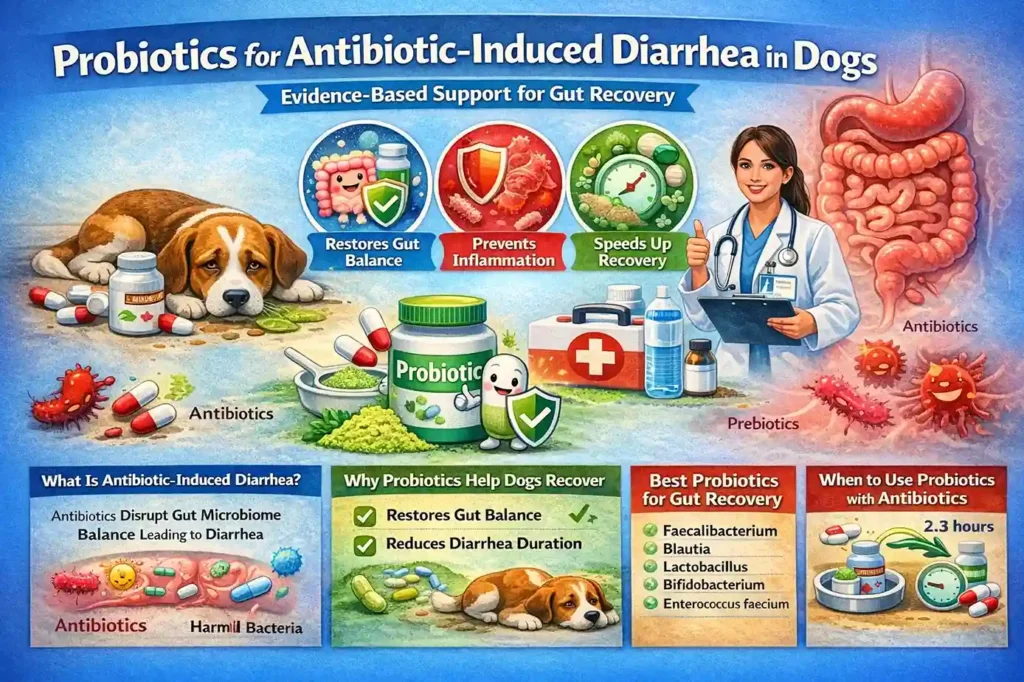
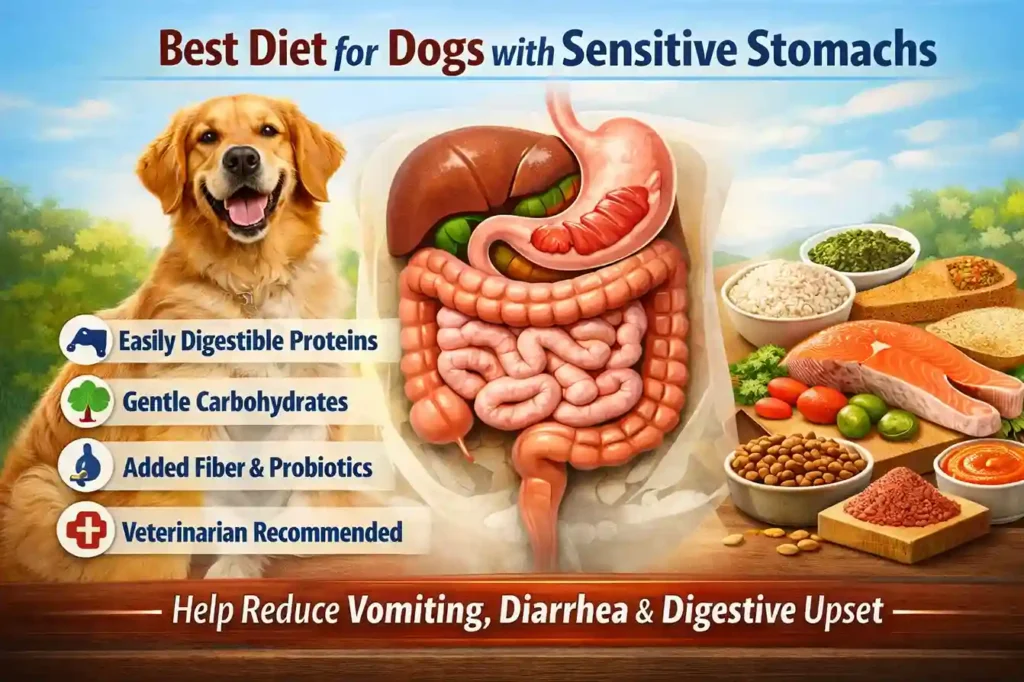
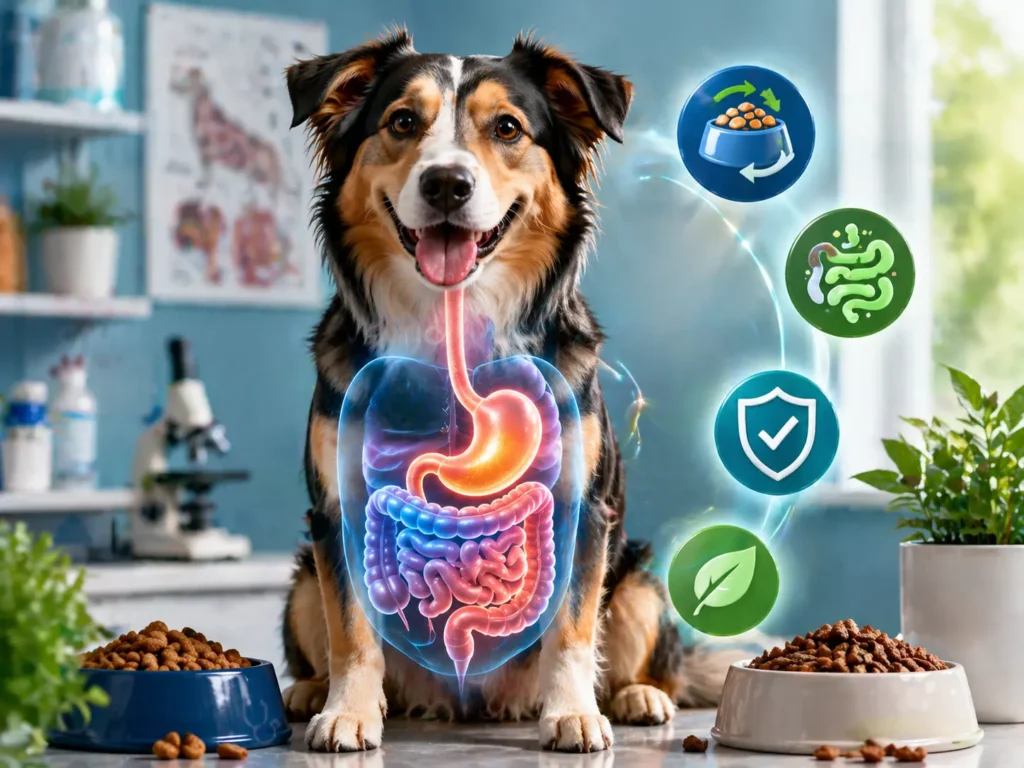
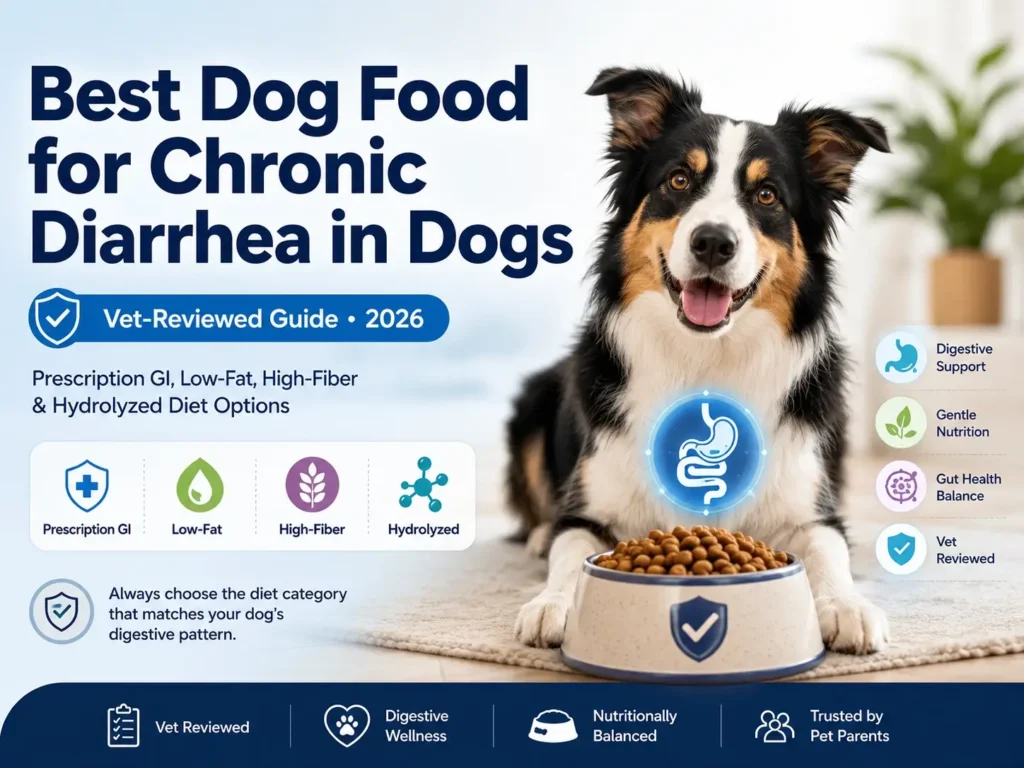
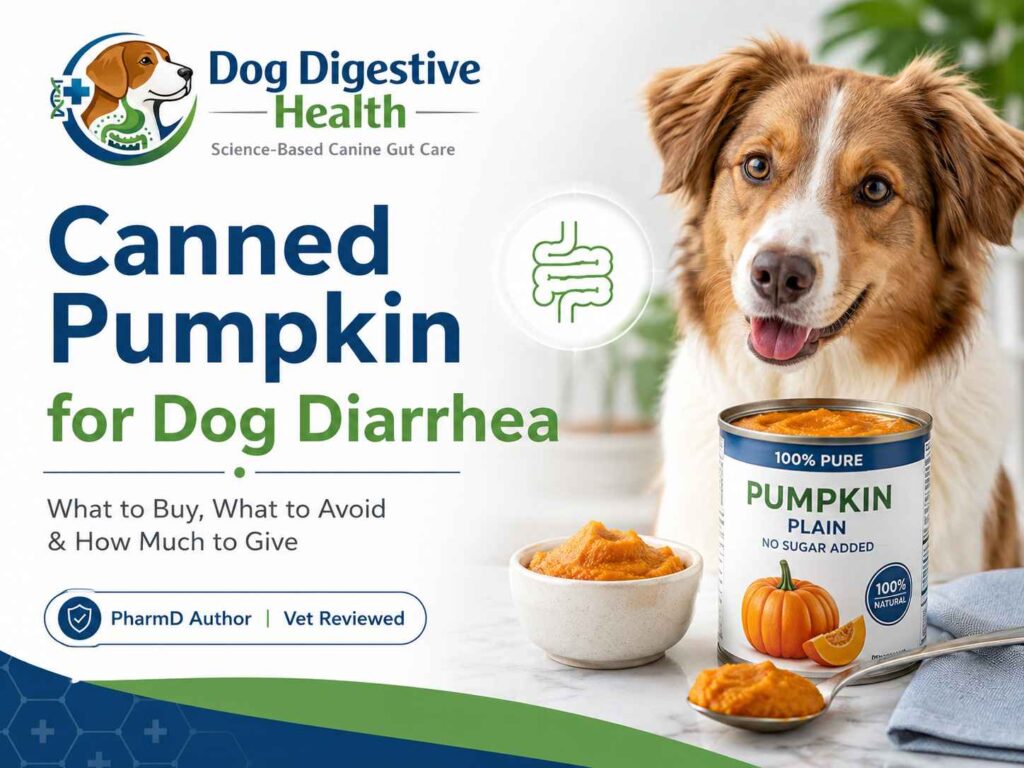
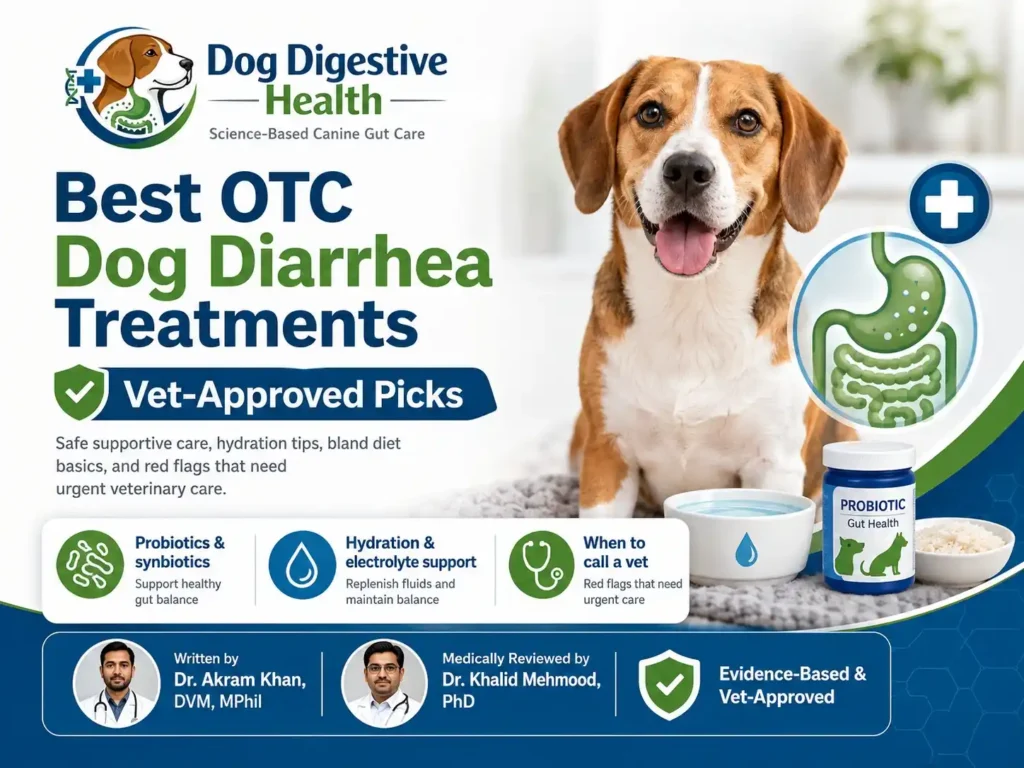
Proper dietary management plays a major role in recovery. Bland diets such as boiled chicken and rice, pumpkin for fiber support, adequate hydration, and veterinarian-recommended probiotics may help stabilize the gut during mild cases. However, severe symptoms — especially in puppies, senior dogs, or small breeds — require immediate veterinary evaluation to prevent dehydration and complications.
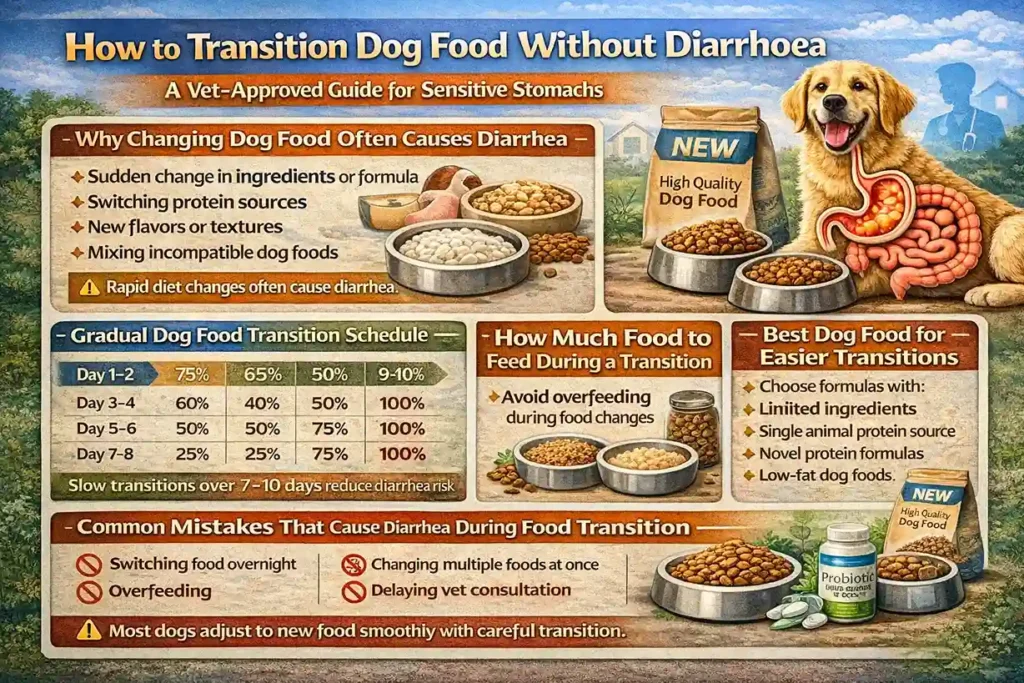
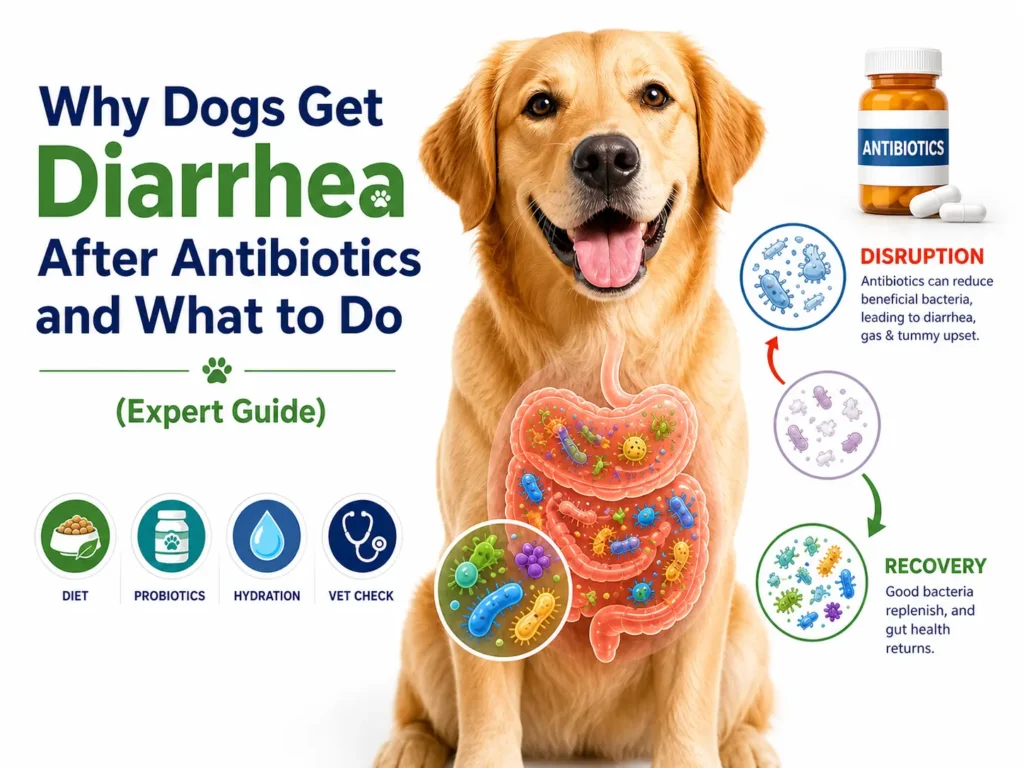
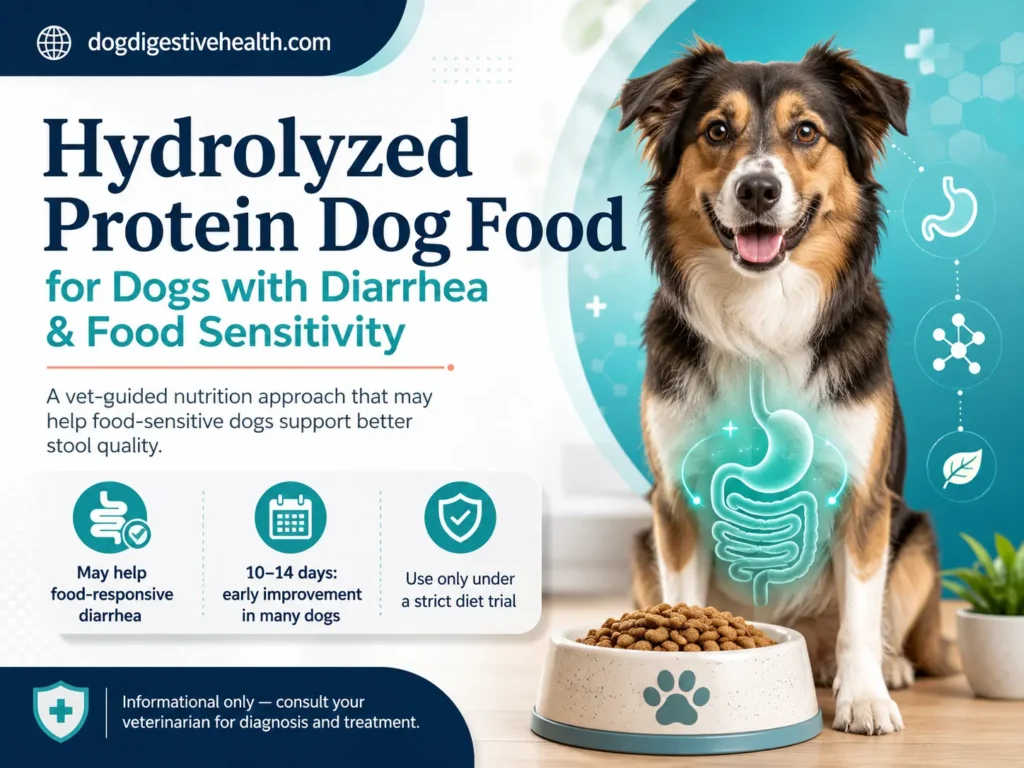
In this section, you’ll find comprehensive guides on what to feed a dog with diarrhea, causes of acute versus chronic diarrhea, stool color charts, mucus in dog stool, blood in stool, probiotic support for antibiotic-induced diarrhea, and when diarrhea becomes an emergency. We also provide guidance on safely transitioning dog food to prevent digestive upset.
Our aim is to equip dog owners with clear, practical, and evidence-based information so they can respond quickly and confidently when digestive symptoms arise. Early recognition and appropriate management can make a significant difference in your dog’s recovery and long-term digestive health.