
Dog Diarrhea After Deworming: Causes & Care Tips
Written by: Dr. Akram Khan, DVM
Medically Reviewed by: Dr. Khalid Mehmood, PhD (Assistant Professor in Clinical Veterinary Medicine)
Last updated on November 03, 2026
Introduction
Deworming is an essential part of keeping your dog healthy, but many pet owners worry when they notice dog diarrhea after deworming. Mild gastrointestinal upset, including loose stools, usually lasts 24–48 hours as the body adjusts and expels parasites. Understanding the causes of diarrhea after deworming, typical duration of post-deworming diarrhea, and when to contact a vet for diarrhea after deworming can help you care for your dog safely and confidently.
Yes, mild diarrhea after deworming is usually normal and often lasts 24–48 hours. It can happen as your dog’s body reacts to the deworming medicine and clears intestinal parasites. Keep your dog hydrated, offer a bland diet if needed, and monitor stool changes. Contact your vet if diarrhea lasts over 72 hours, or if you notice blood, vomiting, lethargy, dehydration, or loss of appetite.
What Happens in My Dog’s Gut After Deworming?
- Anthelmintic medication (dewormers) is designed to eliminate intestinal parasites such as roundworms, hookworms, whipworms, and tapeworms.
- These parasites interfere with nutrient absorption and intestinal health.
Temporary Gastrointestinal Upset: Some dogs may develop mild loose stools after deworming. This can be related to the medication itself, the underlying parasite infection, or temporary irritation of the digestive tract.
Clearing Intestinal Parasites: Changes in stool consistency may occur while parasites are being eliminated from the intestinal tract.
Is Diarrhea Normal After Deworming My Dog?
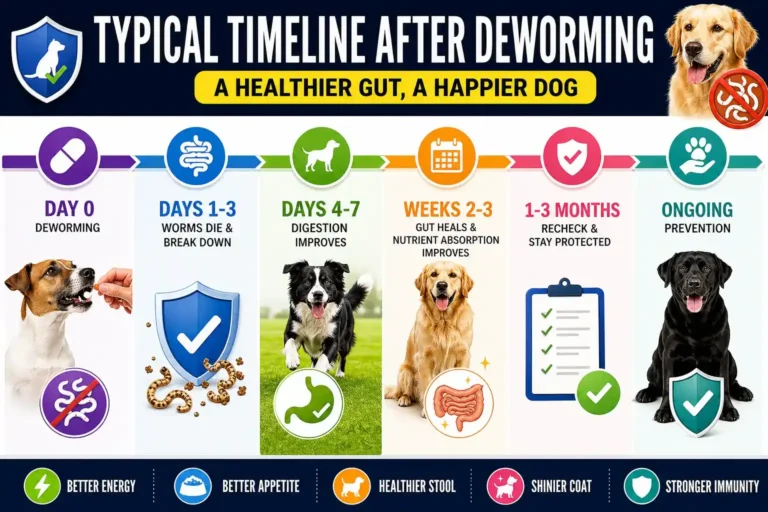
- Yes, mild diarrhea lasting 24–48 hours can be part of the normal response to deworming.
- Some dogs may experience temporary loose stools for a day or two after deworming as the digestive system responds to treatment.
- Temporary soft stools can occur in the first 1–2 days after deworming
- Mild gastrointestinal upset can include slight diarrhea or brief changes in stool consistency.
How Long Does Diarrhea Last After Deworming a Dog?
- 0–24 hrs: Very mild loose stools ✓ can be normal.
- 24–48 hrs: Some diarrhea ✓typical, usually resolves within this period.
- >48–72 hrs: Monitor closely—if persistent, investigate further.
- >72 hrs: Concerning—prolonged symptoms may require veterinary evaluation.
When Should I Be Concerned About Dog Diarrhea After Deworming?
- Persistent Diarrhoea: If diarrhoea lasts more than 48–72 hours, it may indicate another underlying issue.
- Blood or Mucus in Stool: This could signal severe irritation, infection, or haemorrhagic gastroenteritis—a serious condition.
- Vomiting, lethargy, or dehydration: These signs indicate dehydration or a more severe reaction, which requires immediate veterinary care.
- Loss of Appetite: A significant drop in appetite lasting beyond 24 hours may suggest a complication from deworming medication.
Do Puppies or Senior Dogs Get Worse Diarrhea After Deworming?
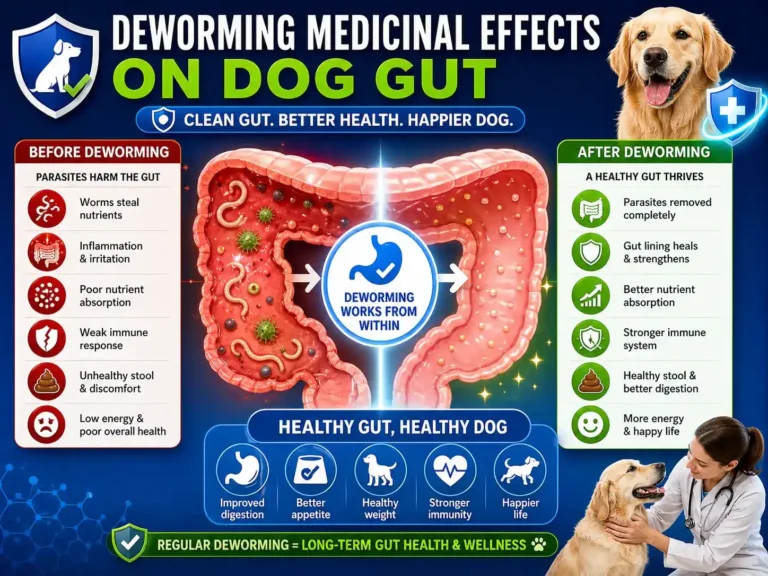
- Puppies: Their digestive systems are still developing, making them more prone to diarrhea after deworming. Prolonged diarrhea can be dangerous due to the risk of dehydration.
- Senior Dogs: Older dogs with compromised immune systems may experience more intense reactions and longer recovery times.
- Medically Compromised Dogs: Dogs with conditions such as inflammatory bowel disease (IBD) or other health problems may be more susceptible to longer-lasting diarrhea post-deworming.
Can Deworming Medicine Cause Diarrhea in Dogs?
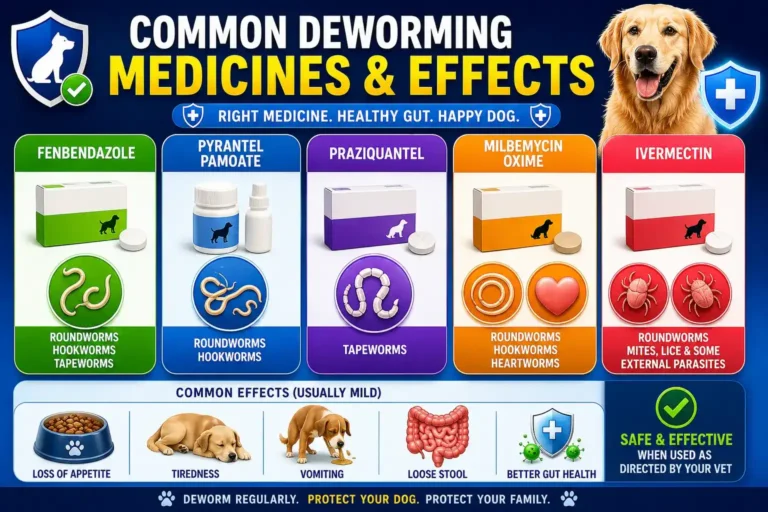
- Common deworming drugs include fenbendazole, pyrantel pamoate, praziquantel, and combination therapies.
- These medications can cause mild digestive side effects, including diarrhea.
- Deworming medications work by paralyzing and expelling intestinal worms or breaking them down into fragments, which can affect stool consistency
- Use the correct dewormer and dose for your dog’s weight, age, health status, and the parasite being treated, following veterinary or product-label instructions.
When Should I Take My Dog to the Vet for Post-Deworming Diarrhea?
- If persistent symptoms or red flags appear, consult your veterinarian.
- Possible diagnostic tests:
- Physical examination
- Stool analysis to check for residual parasites or infection
- Blood work to assess hydration and organ health
- Imaging may be necessary to rule out intestinal obstructions or other issues.
How Do I Care for My Dog After Deworming to Prevent Diarrhea?
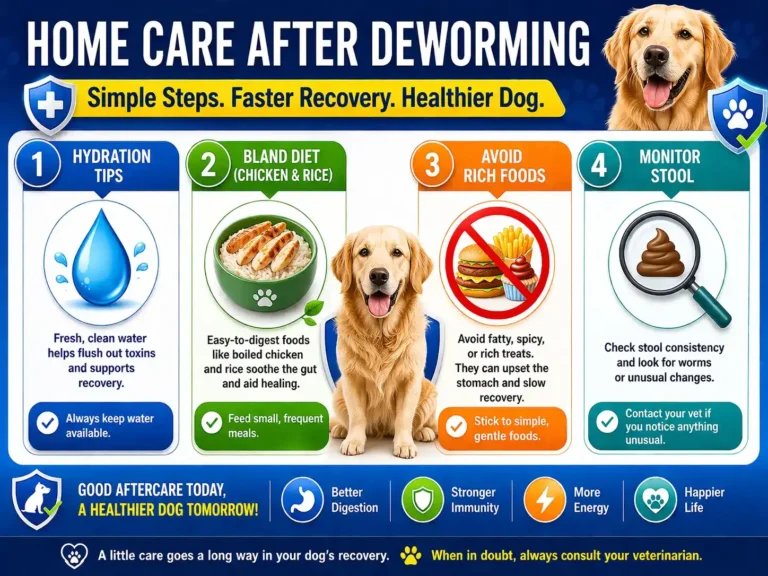
- Hydration: Ensure your dog has access to fresh water at all times to avoid dehydration.
- Bland Diet: A simple diet of boiled chicken and plain rice can help settle the digestive tract. Gradually reintroduce regular food over a few days.
- Native Pet Pumpkin Powder for Dogs can be used as a gentle fiber supplement to support normal stool consistency and digestive health.

Follow the product label and consult your veterinarian if diarrhea persists or worsens.
- Avoid Rich Treats: Avoid fatty or unfamiliar foods that could irritate your dog’s stomach.
- Monitor Stool Consistency: Keep track of your dog’s stools to inform the vet if symptoms persist.
- Optional supportive product: A canine probiotic may help support normal gut flora after digestive upset, but it should not replace veterinary care if diarrhea is persistent or severe.
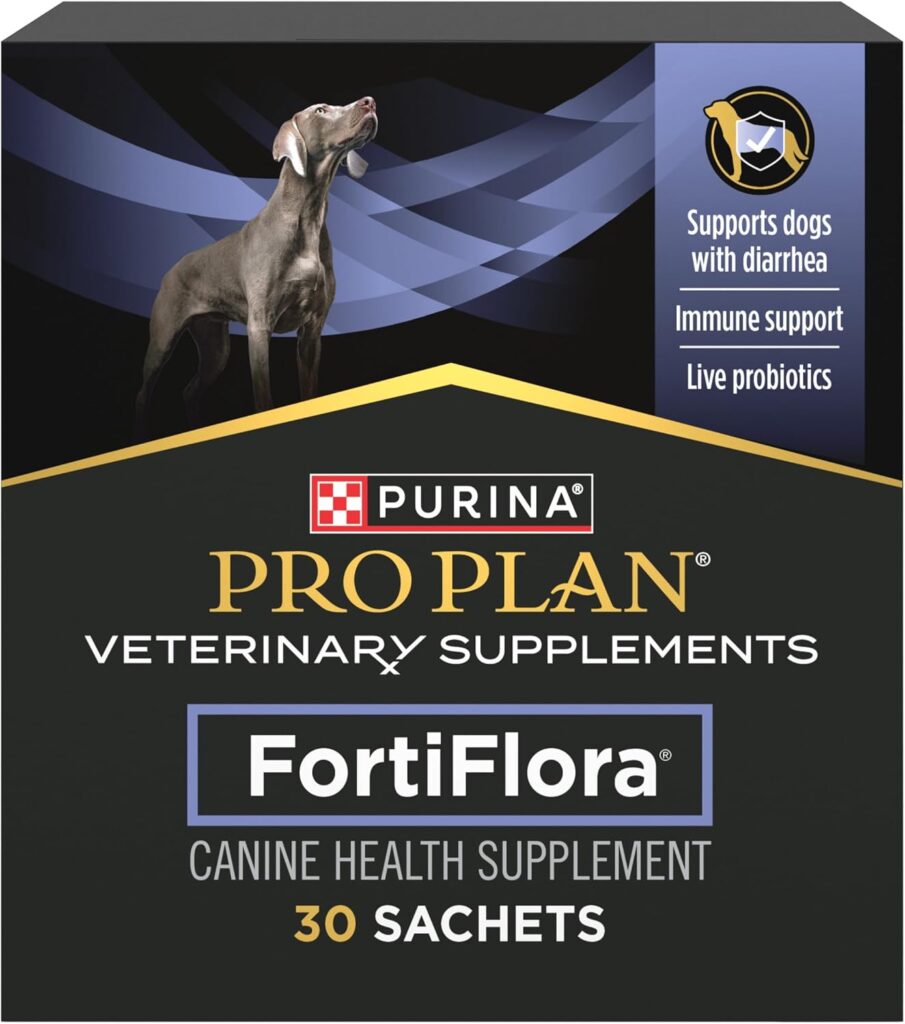
FortiFlora Daily Probiotics for Dogs,Helps Digestive Gut Health and Diarrhea
Use according to the product label or your veterinarian’s recommendation.
How Can I Keep My Dog Safe and Comfortable After Deworming?
- Mild diarrhea after deworming is common and often normal—typically lasting 24–48 hours.
- Persistent or severe symptoms (e.g., blood, vomiting, dehydration) require veterinary evaluation.
Supportive care—hydration and a gentle diet—helps recovery and comfort.
Medical Disclaimer
The content provided in this article is for informational purposes only and does not substitute for professional veterinary advice, diagnosis, or treatment. Always seek the advice of your veterinarian or other qualified pet health providers with any questions you may have regarding a medical condition.
Affiliate Disclosure
This article may contain affiliate links. If you make a purchase through one of these links, DogDigestiveHealth may earn a small commission at no additional cost to you. As an Amazon Associate, we earn from qualifying purchases. These commissions help support the maintenance and creation of our veterinary-reviewed educational content.
Frequently Asked Questions (FAQs):
1. Is mild diarrhea after deworming always a sign of worms dying?
Not always. It’s often a natural response to the deworming process as the gut adjusts.
2. Can deworming cause bloody diarrhea?
Rare, but it can indicate a more serious issue like intestinal irritation or infection. Seek veterinary care immediately.
3. Should I give probiotics after deworming?
Probiotics may help support digestive health, but consult your veterinarian before use, especially if diarrhea persists.
4. How long does diarrhea last after deworming?
Typically 24–48 hours. If it continues beyond 72 hours, contact your vet.
5. Can senior dogs experience more severe reactions after deworming?
Older dogs may be more vulnerable to dehydration or complications, especially if they have other health conditions. Persistent or severe diarrhea should be evaluated by a veterinarian.
6. Should I be concerned if my dog shows no appetite after deworming?
Loss of appetite beyond 24 hours may indicate a complication and requires veterinary evaluation.
7. What other symptoms require immediate veterinary attention?
Signs such as vomiting, dehydration, lethargy, or blood in the stool are urgent and need prompt veterinary care.
References:
- Bowman, D. D. (2021). Georgis’ Parasitology for
Veterinarians (11th ed.). Elsevier/Saunders. ISBN: 9780323543965. - European Scientific Counsel Companion Animal
Parasites (ESCCAP). Worm Control in Dogs and Cats (Guideline 01). ESCCAP. - Claerebout, E., & Lanusse, C. E. (2025). Safety
of Anthelmintics in Animals. Merck Veterinary Manual. Companion Animal Parasite Council (CAPC). (2025). General Guidelines for Dogs and Cats.