
Why Does My Dog Have Diarrhea? 10 Common Causes
Written by: Dr. Akram Khan, DVM
Medically Reviewed by: Dr. Khalid Mehmood, PhD
Last updated on October 19, 2026
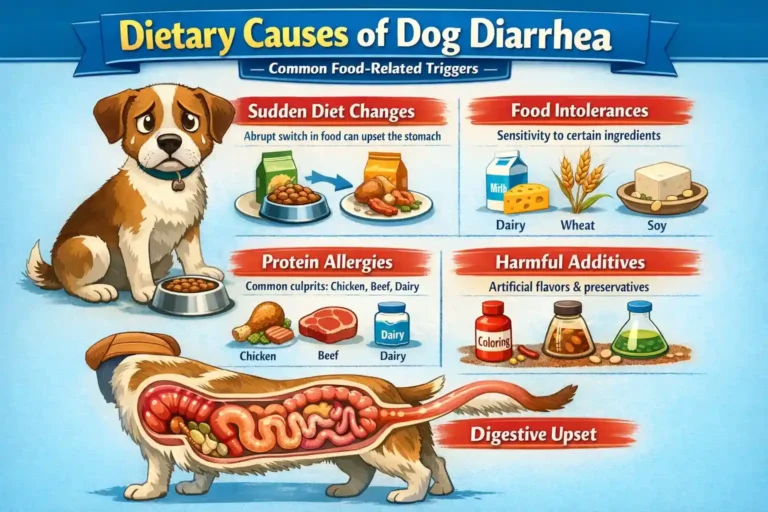
If your dog has diarrhea, the cause is often something simple like a sudden food change, stress, eating garbage, or a mild stomach upset. But loose or watery stool can also happen because of parasites, infections, food intolerance, medications, toxins, or chronic digestive problems. Some dogs may act normal with mild diarrhea, while others may show warning signs like vomiting, blood in the stool, weakness, dehydration, or loss of appetite. This guide explains the most common causes of diarrhea in dogs and helps you understand when it may be safe to monitor at home and when your dog needs veterinary care.
What Are the Most Common Causes of Diarrhea in Dogs?
The most common causes of diarrhea in dogs include sudden diet changes, food intolerance, eating spoiled food or garbage, stress, intestinal parasites, viral or bacterial infections, medication side effects, toxins, inflammatory bowel disease, and chronic organ problems. Mild diarrhea may improve within 24–48 hours, but bloody diarrhea, vomiting, dehydration, weakness, or ongoing symptoms should be checked by a veterinarian.
What Is Diarrhea in Dogs?
Diarrhea in dogs occurs when food moves too quickly through the canine digestive system, preventing proper water and nutrient absorption. This leads to watery stools, often accompanied by:
• Abdominal discomfort
• Urgency and frequent trips to relieve themselves
• Mucus or blood in the stool
• Lethargy and reduced energy levels
Dog diarrhea is not a disease on its own but a symptom of an underlying condition. It’s crucial to understand the reasons behind the symptom to ensure timely intervention.
1. Dietary Changes and Food-Related Causes of Dog Diarrhea
Most Common Cause: Sudden Diet Change in Dogs
A sudden change in your dog’s diet can lead to gastrointestinal upset, causing diarrhea. The digestive system of dogs thrives on consistency, and abrupt changes may disrupt the gut bacteria balance.
Food Intolerance and Allergies
Certain dogs may develop food intolerances or allergies, which primarily affect the digestive system. Unlike allergies that affect skin and coat, food intolerances usually cause digestive distress.
2. Parasites: Leading Cause of Chronic Diarrhea in Dogs
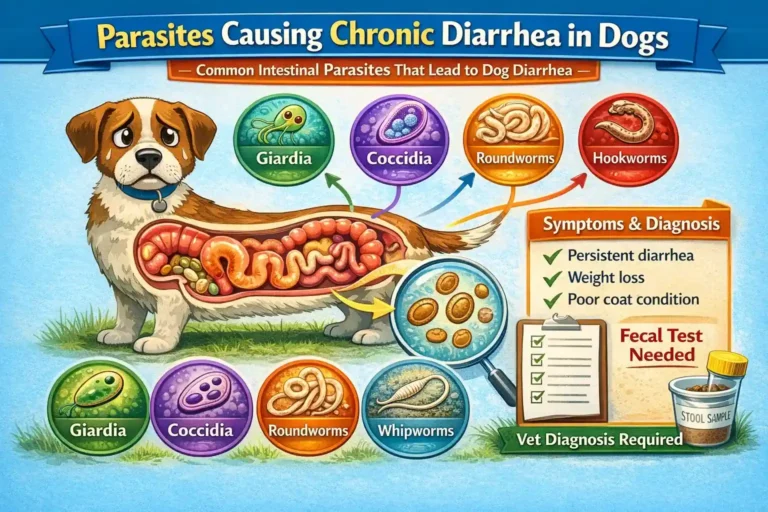
Common intestinal parasites that cause diarrhea include Giardia, roundworms, hookworms, and whipworms, significantly contributing to chronic diarrhea in dogs. Symptoms of parasitic infections include persistent diarrhea, weight loss, and poor coat condition.
3. Viral and Bacterial Infections
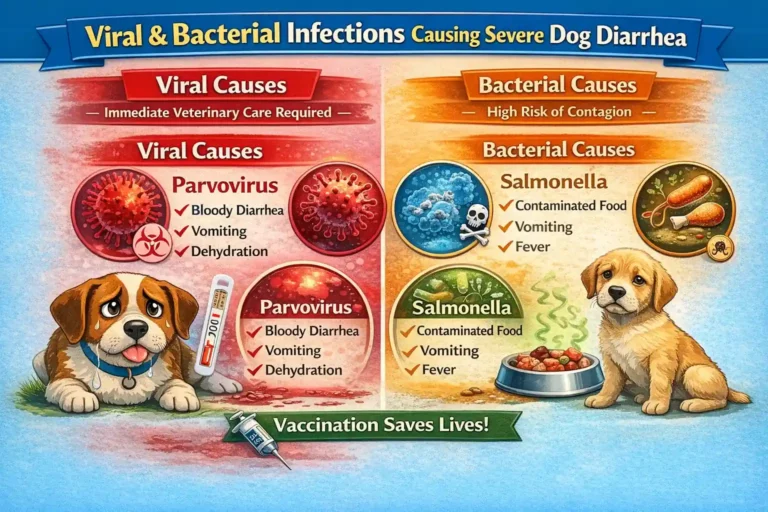
Certain viral infections, such as parvovirus and canine coronavirus, can cause severe symptoms, including bloody diarrhea and dehydration. Bacterial pathogens like Salmonella and Clostridium species are also recognized contributors to diarrhea in dogs.
4. Stress and Anxiety-Induced Diarrhea in Dogs
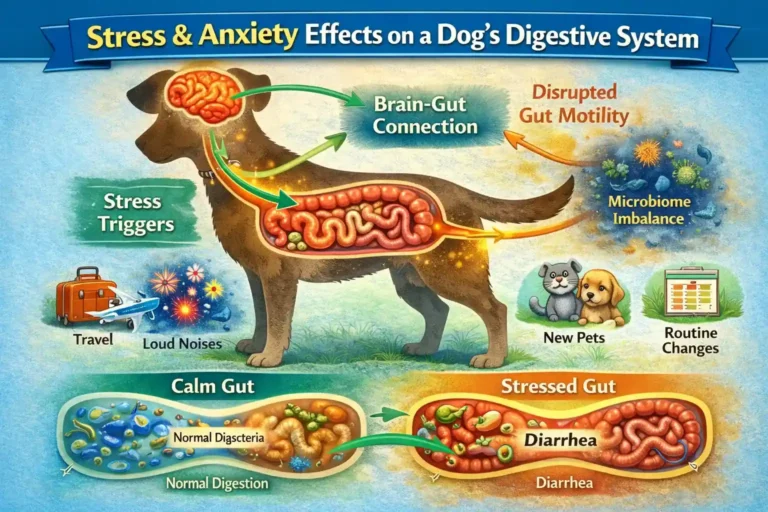
Stress-related digestive disruptions can affect gut motility, leading to diarrhea. Stressors like boarding, traveling, and loud noises are commonly reported triggers.
5. Medications and Drug Side Effects Leading to Diarrhea
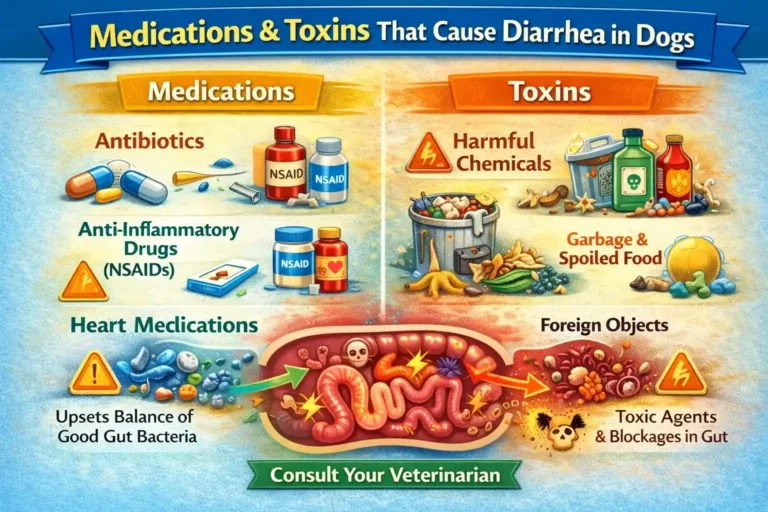
Medications like antibiotics and anti-inflammatory drugs can disrupt the balance of gut bacteria, leading to diarrhea.
6. Ingestion of Foreign Objects or Toxins
Dogs sometimes ingest harmful substances, such as garbage or toxic chemicals, leading to gastrointestinal upset and diarrhea.
7. Chronic Diseases and Internal Disorders
Diseases affecting organs like the liver or kidneys can interfere with digestion, leading to chronic diarrhea and other symptoms.
8. Inflammatory Conditions: Inflammatory Bowel Disease (IBD)
IBD causes chronic inflammation in the intestines, resulting in persistent diarrhea and other digestive disturbances.
9. Constipation and Overflow Diarrhea
Sometimes, constipation may lead to overflow diarrhea, where liquid stools leak around the impacted feces.
10. Pancreatitis: Inflammation of the Pancreas in Dogs
Pancreatitis occurs when the pancreas becomes inflamed, disrupting normal digestive processes and sometimes causing diarrhea. Dogs with pancreatitis may also experience vomiting, abdominal pain, loss of appetite, and lethargy. The condition can develop suddenly or become recurrent, and some cases are associated with eating high-fat foods.
How Veterinarians Diagnose Dog Diarrhea
Veterinarians use diagnostic methods like fecal tests for parasites, blood work, and imaging to identify the cause of diarrhea.
Treatment Options for Dog Diarrhea
Treatment varies depending on the underlying cause, ranging from dietary modification to parasite treatment and antibiotics.
Prevention Tips for Dog Parents
•Transition diets gradually over 7–10 days
• Maintain regular deworming schedules
• Avoid feeding table scraps or human food.
• Minimize stress and anxiety triggers.
Medical Disclaimer:
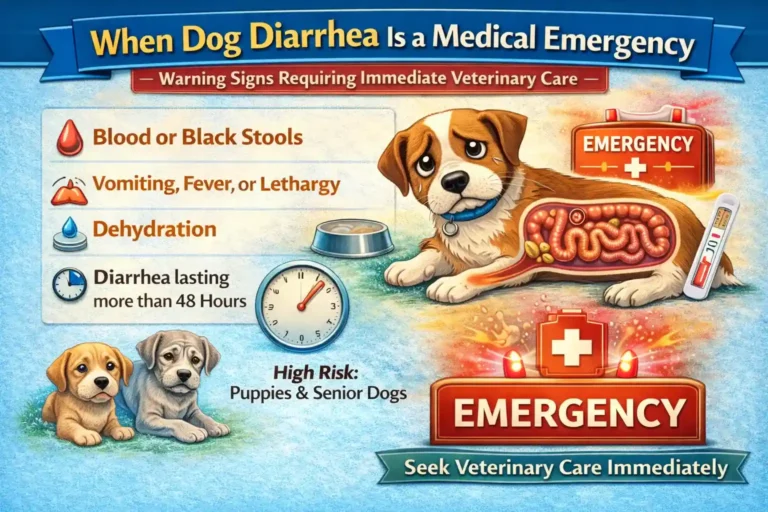
This article is for educational purposes only and is not a substitute for veterinary diagnosis or treatment. If your dog has bloody diarrhea, vomiting, weakness, or signs of dehydration, contact a licensed veterinarian or emergency animal hospital immediately.
Frequently Asked Questions (FAQs)
1. How long is diarrhea normal in dogs?
Mild diarrhea usually resolves within 24–48 hours.
2. Can stress alone cause dog diarrhea?
Yes, stress can cause diarrhea.
3. Is grass eating a cause or a symptom
Often a symptom.
4. When should I worry?
Persistent or severe symptoms require veterinary attention.
5. How can I prevent my dog from getting diarrhea?
Slow diet transitions, regular deworming, and minimizing stress.