
Canine Gut Dysbiosis: 3-Step Vet-Backed Protocol
Written by: Dr. Akram Khan, DVM
Medically Reviewed by: Dr. Muhammad Saeed, PhD
Last updated: September 09, 2026
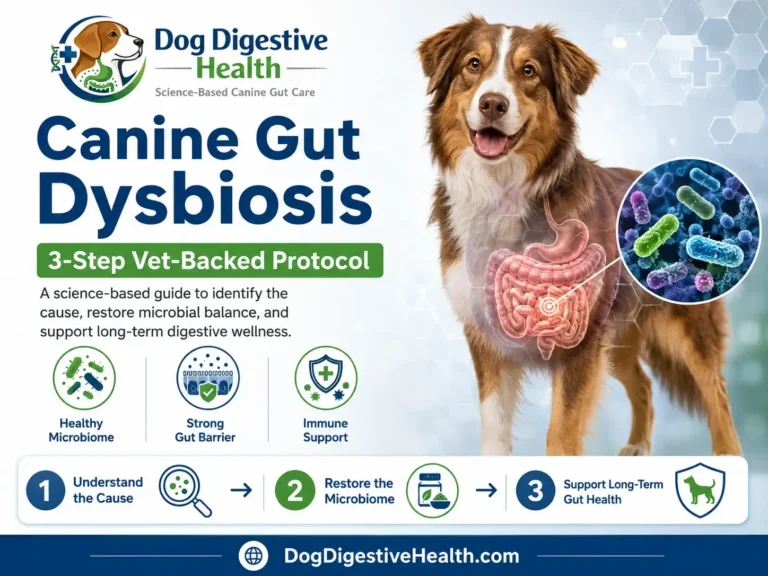
Your dog’s digestive tract is home to trillions of microorganisms that influence digestion, immune activity, nutrient metabolism, bile acid conversion, and intestinal barrier health. When this complex ecosystem loses its normal balance, beneficial bacterial groups may decline while opportunistic organisms expand. This condition, known as canine gut dysbiosis, can contribute to recurring diarrhea, gas, vomiting, poor appetite, abdominal discomfort, and unexplained weight loss.
What Is Canine Gut Dysbiosis?
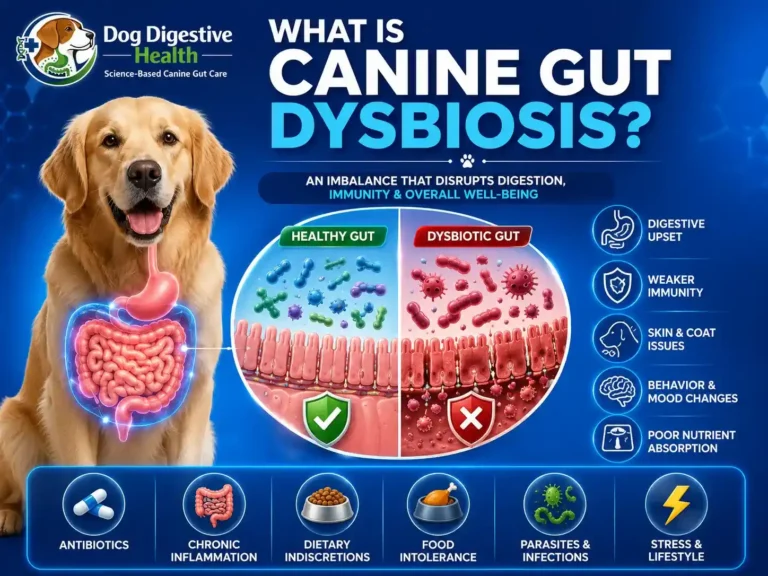
Canine gut dysbiosis is an unfavorable change in the composition or function of microorganisms living in a dog’s digestive tract. It can reduce microbial diversity, alter beneficial bacterial populations, disrupt bile acid metabolism, and weaken normal communication between the gut microbiome, intestinal lining, and immune system.
What Is the Best Protocol for Canine Gut Dysbiosis?
An effective canine gut dysbiosis protocol usually involves three connected steps:
- Identify and treat the underlying cause, such as chronic enteropathy, parasites, pancreatic disease, food intolerance, or medication exposure.
- Use an appropriate therapeutic diet, which may include a hydrolyzed, novel-protein, highly digestible, fiber-adjusted, or low-fat formula.
- Add targeted microbiome support when appropriate, including selected probiotics, prebiotics, cobalamin, or condition-specific medical treatment.
Dysbiosis is not one disease with one universal cure. It may develop after antibiotic treatment, but it can also occur with chronic inflammatory enteropathy, exocrine pancreatic insufficiency, parasitic disease, gastrointestinal infection, dietary intolerance, or another medical condition.
That is why the safest dog gut dysbiosis treatment begins with a veterinary assessment rather than a random probiotic, digestive enzyme, or detox supplement.
Canine Gut Dysbiosis Protocol at a Glance
Stage | Main goal | Common veterinary approach |
Clinical assessment | Identify the cause and severity. | Medical history, physical examination, fecal testing, and bloodwork |
Diet intervention | Reduce digestive stress and identify food-responsive disease. | Hydrolyzed, novel-protein, highly digestible, fiber-adjusted, or low-fat diet |
Microbiome support | Encourage healthier microbial activity. | Selected probiotic, prebiotic, or synbiotic |
Deficiency correction | Restore nutrients affected by intestinal disease. | Cobalamin and other targeted supplementation |
Monitoring | Measure clinical improvement. | Stool quality, appetite, vomiting, weight, and energy |
Advanced management | Investigate persistent or severe disease | Imaging, endoscopy, biopsy, specialist referral, or selected FMT |
Current veterinary guidance places carefully controlled dietary trials at the center of early treatment for many stable dogs with chronic inflammatory enteropathy. It also discourages routine empirical antibiotic use and describes probiotics, prebiotics, synbiotics, and fecal microbiota transplantation as selective or developing treatments rather than universal cures (1) PubMed Central (PMC).
Understanding Canine Gut Dysbiosis: What Happens When Bad Bacteria Take Over?
The phrase “bad bacteria taking over” provides a simple picture of dysbiosis, but the biology is more complex.
A healthy canine microbiome does not contain only friendly organisms. Many bacteria that normally live in the intestines can behave differently when inflammation, medication, infection, stress, or altered intestinal movement changes their environment.
Dysbiosis may involve:
- Loss of important beneficial bacterial groups
- Expansion of opportunistic organisms
- Reduced microbial diversity
- Changes in bacterial metabolism
- Abnormal bile acid conversion
- Reduced production of helpful microbial metabolites
- Disrupted communication with immune cells
- Impaired intestinal barrier function
Veterinary researchers study dysbiosis through several connected features.
Microbial composition
This describes which microorganisms are present in the intestinal community.
Bacterial abundance
This measures how much of each bacterial group is present. A dog may still carry a beneficial bacterial species, but its abundance may be too low to support normal microbial function.
Microbial diversity
A diverse microbiome contains a broad and relatively stable range of organisms. Lower diversity can make the ecosystem less resilient after infection, medication, illness, or dietary disruption.
Microbial function
The microorganisms living in the intestines help process dietary substrates and produce metabolites. Two dogs may have different microbial compositions yet maintain similar functions. Conversely, a seemingly small compositional change can cause an important metabolic shift.
Host response
The intestinal microbiome communicates with epithelial cells, immune cells, nerves, and metabolic pathways. Dysbiosis can therefore influence more than stool consistency.
Healthy intestinal bacteria ferment selected dietary fibers and resistant carbohydrates. This process produces short-chain fatty acids, including acetate, propionate, and butyrate.
These microbial metabolites can:
- Nourish cells lining the colon
- Influence immune signaling
- Help regulate intestinal acidity
- Support normal barrier function
- Limit the growth of some opportunistic organisms
- Affect intestinal movement
The microbiome also contributes to bile acid metabolism. One particularly important organism is Peptacetobacter hiranonis, previously called Clostridium hiranonis. It helps convert primary bile acids into secondary bile acids.
Reduced P. hiranonis may accompany chronic enteropathy, abnormal bile acid profiles, and persistent diarrhea. However, one low bacterial result cannot explain the dog’s entire condition.
Bacterial Groups Included in the Canine Dysbiosis Index
The fecal Dysbiosis Index measures total bacterial DNA and seven bacterial groups that frequently change in dogs with gastrointestinal disease.
Bacterial group | Common pattern in significant dysbiosis |
Faecalibacterium | Decreased |
Turicibacter | Decreased |
Blautia | Decreased |
Fusobacterium | Decreased |
Peptacetobacter hiranonis | Decreased |
Streptococcus | Increased |
Escherichia coli | Increased |
These patterns do not prove that one organism caused the illness. They show how far the fecal microbial community has shifted from established reference ranges.
A dog may also improve clinically while some microbiome abnormalities remain. For this reason, veterinarians treat and monitor the whole patient rather than trying to normalize one laboratory number.
The Silent Epidemic: Leaky Gut Syndrome and Systemic Inflammation in Dogs
“Leaky gut syndrome” has become common language in online pet-health discussions. Veterinary medicine more accurately describes this process as increased intestinal permeability or intestinal barrier dysfunction.
The intestinal barrier is not a single wall. It includes:
- A protective mucus layer
- Closely connected epithelial cells
- Tight junction proteins between those cells
- Antimicrobial compounds
- Resident immune cells
- The surrounding intestinal microbiota
Together, these components control what moves from the digestive tract into deeper tissues.
During gastrointestinal inflammation, the barrier may become less effective. Microbial products may then interact more strongly with immune cells, potentially encouraging further inflammation.
This can create a repeating cycle:
Intestinal inflammation → barrier disruption → altered microbial activity → immune stimulation → further inflammation
This process is relevant to chronic inflammatory enteropathy in dogs. However, it does not mean that every dog with itching, anxiety, poor coat quality, or low energy has “leaky gut.”
Those signs may also occur with:
- Environmental allergies
- Food-responsive disease
- Skin infection
- Intestinal parasites
- Endocrine disease
- Chronic pain
- Nutritional imbalance
- Liver or kidney disease
- Other inflammatory conditions
Can Canine Gut Dysbiosis Cause Systemic Inflammation?
The intestinal microbiome communicates with several body systems. These relationships are sometimes described as the:
- Gut-immune axis
- Gut-brain axis
- Gut-skin axis
- Gut-liver axis
These connections are scientifically important, but an association does not always establish cause and effect.
An altered microbiome may contribute to inflammation. It may also result from an existing inflammatory disease. In other dogs, both problems may develop together because of a separate underlying condition.
Correcting gastrointestinal disease can support overall health, but a canine dysbiosis protocol should not promise to cure every allergy, behavioral problem, joint disorder, or immune condition.
Primary Triggers of Severe Microbiome Dysbiosis
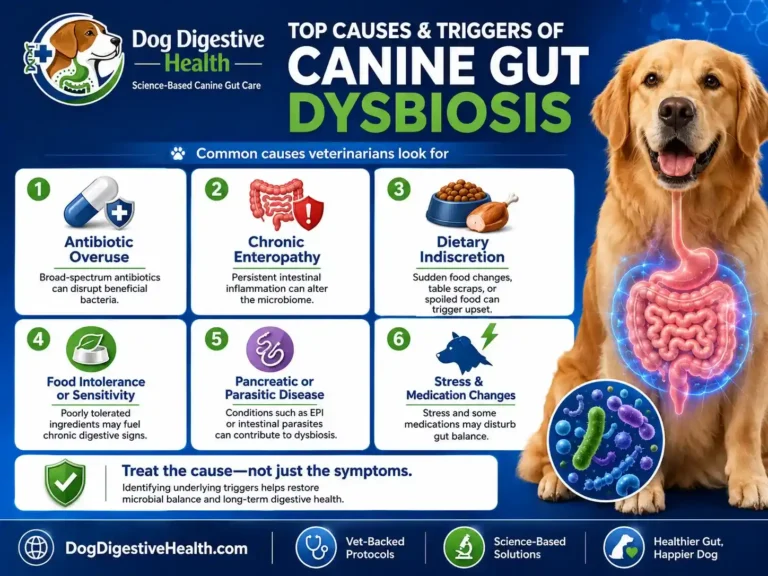
Several factors can disturb microbial diversity, intestinal barrier function, bile acid metabolism, and bacterial abundance.
Broad-Spectrum Antibiotic Depletion: The Post-Medication Crash
Broad-spectrum antibiotics affect more than disease-causing organisms. They can also reduce or alter normal intestinal bacterial populations.
Metronidazole and tylosin have historically been prescribed for canine diarrhea, sometimes without a confirmed bacterial target. Recent evidence has raised concerns about this practice.
A randomized 2024 clinical trial compared metronidazole with a synbiotic in dogs with acute diarrhea. Both groups experienced similar clinical outcomes, but metronidazole caused greater disruption of the core intestinal microbiota. It increased E. coli, reduced P. hiranonis, and did not produce better stool consistency or defecation frequency than the synbiotic (2) (PubMed Central (PMC)).
This does not mean metronidazole is never appropriate. Antibiotics remain important when a veterinarian identifies a clear indication, such as
- Sepsis
- A confirmed bacterial infection
- Invasive bacterial disease
- Granulomatous colitis associated with invasive coli
- Another condition supported by diagnostic evidence
The concern is repeated or empirical antibiotic use without a defined target.
A careful approach to canine dysbiosis after antibiotics may include:
- Reviewing the original reason for antibiotic use
- Assessing hydration and disease severity
- Testing for intestinal parasites
- Considering supportive care and dietary treatment
- Looking for signs of systemic infection
- Performing bacterial culture when appropriate
- Avoiding repeated antibiotic courses without reassessment
- Monitoring stool quality after treatment ends
Dog microbiome recovery after antibiotics may take weeks. Some bacterial and metabolic changes can continue after the medication has been discontinued.
When diarrhea returns as soon as an antibiotic course ends, the dog may still have an untreated underlying disorder. Another antibiotic course may temporarily change the stool without addressing the actual cause.
Chronic Inflammatory Bowel Disease and Chronic Colitis
Veterinary specialists increasingly use the term “chronic inflammatory enteropathy,” or CIE, instead of describing every dog with persistent digestive signs as having inflammatory bowel disease.
CIE generally describes recurring or persistent gastrointestinal signs after common infectious, parasitic, pancreatic, metabolic, and structural causes have been investigated.
Signs can include:
- Chronic diarrhea
- Recurrent vomiting
- Reduced appetite
- Weight loss
- Abdominal discomfort
- Changes in stool frequency
- Poor body or muscle condition
Veterinarians may classify affected dogs according to treatment response:
- Food-responsive enteropathy
- Immunosuppressant-responsive enteropathy
- Microbiota-related modulation-responsive enteropathy
- Nonresponsive enteropathy
- Protein-losing enteropathy
This classification matters because dysbiosis may be both a contributor to disease and a consequence of ongoing intestinal inflammation.
A probiotic alone cannot correct:
- Intestinal lymphoma
- Exocrine pancreatic insufficiency
- Severe protein-losing enteropathy
- Untreated parasitic infection
- Intestinal obstruction
- Addison’s disease
- Significant intestinal inflammation requiring medical treatment
For many stable dogs, a controlled dietary trial is the most appropriate first treatment. More than one therapeutic diet may be needed before food-responsive enteropathy can be reasonably excluded (1).
Dietary Indiscretions and Highly Processed, High-Carbohydrate Kibble
Dogs frequently eat things they should not. Garbage, fatty leftovers, spoiled food, scavenged material, unfamiliar treats, and sudden diet changes can all trigger acute digestive upset.
These exposures may alter:
- Intestinal movement
- Stool water content
- Bacterial fermentation
- Bile acid handling
- Appetite
- Microbial composition
However, blaming every case of dysbiosis on processed kibble oversimplifies canine nutrition.
A properly formulated commercial food can provide:
- Complete and balanced nutrition
- Controlled fat
- Consistent ingredients
- Appropriate digestibility
- Targeted fiber
- Reliable vitamin and mineral levels
An expensive boutique, homemade, grain-free, or raw diet can still be nutritionally incomplete or unsuitable for a dog’s condition.
Rather than treating every carbohydrate as harmful, consider more useful questions:
- Is the diet complete and balanced?
- Is it appropriate for the dog’s life stage?
- Does its fat content suit the dog’s condition?
- Are its protein sources tolerated?
- Does the dog need more or less fermentable fiber?
- Has a strict elimination diet been completed?
- Are treats interfering with the diet trial?
- Is the dog eating another pet’s food?
There is no single carbohydrate limit or universal food that restores every dog’s gut microbiome.
Some dogs improve on a hydrolyzed-protein diet. Others respond to a novel protein, highly digestible formula, low-fat diet, or carefully adjusted fiber profile.
Other Causes of Gut Dysbiosis in Dogs
Additional triggers may include:
- Acute infectious diarrhea
- Giardia and other intestinal parasites
- Exocrine pancreatic insufficiency
- Chronic pancreatitis
- Protein-losing enteropathy
- Sudden food changes
- Reduced food intake
- Gastrointestinal surgery
- Hospitalization
- Environmental stress
- Proton-pump inhibitors
- Immunosuppressive medication
- Endocrine disease
- Abnormal intestinal movement
- Aging
Clinical Signs and Overlooked Symptoms of Microbiome Imbalance
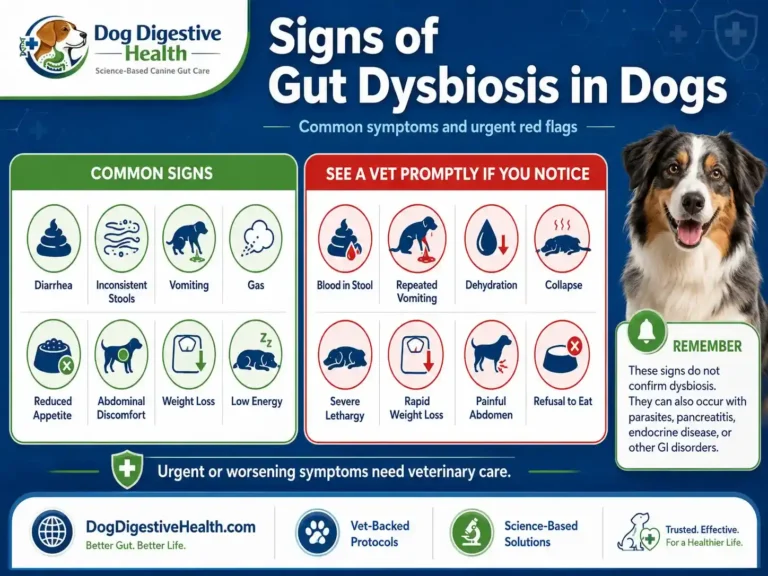
The signs of gut dysbiosis in dogs vary widely. Some dogs develop obvious watery diarrhea, while others experience intermittent stool changes that are easy to dismiss.
Common Gastrointestinal Signs
- Soft or watery stools
- Inconsistent stool quality
- Increased stool frequency
- Mucus in the stool
- Urgency or straining
- Excessive gas
- Loud intestinal noises
- Vomiting
- Nausea or repeated lip licking
- Reduced appetite
- Abdominal discomfort
- Weight loss
- Poor muscle condition
Less Specific Clues
Some dogs with chronic digestive disease may also experience:
- Reduced energy
- Difficulty maintaining weight
- Poor coat condition
- Symptoms returning after antibiotics
- Repeated flare-ups after food changes
- Low or low-normal cobalamin
- Partial improvement followed by relapse
These signs do not confirm dysbiosis. They can also occur with pancreatitis, liver disease, kidney disease, intestinal cancer, parasites, toxins, foreign-body obstruction, endocrine disease, or food-responsive enteropathy.
Warning Signs Requiring Prompt Veterinary Care
Contact a veterinarian urgently if your dog develops:
- Repeated vomiting
- Inability to keep water down
- Significant blood in the stool
- Black or tar-like stool
- Severe weakness
- Collapse
- Pale gums
- A swollen or painful abdomen
- Signs of dehydration
- Rapid weight loss
- Persistent refusal to eat
- Fever
- Suspected toxin exposure
- Suspected foreign-body ingestion
Young puppies, older dogs, and dogs with existing medical problems can become dehydrated or unstable quickly.
The Veterinary Diagnostic Workup: Fecal Microbiome Dysbiosis Index
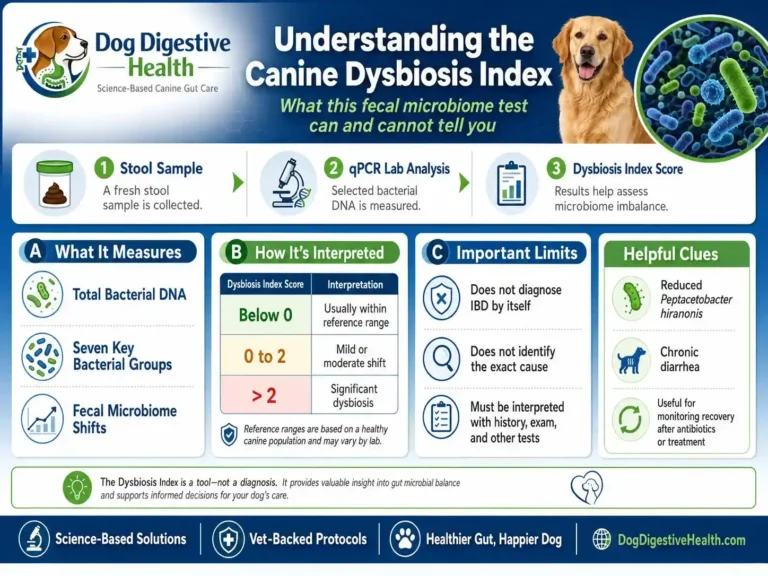
The canine fecal dysbiosis index, commonly abbreviated as DI, is a quantitative PCR-based test. It measures total bacterial DNA and the abundance of seven selected bacterial groups in a fecal sample.
A mathematical model combines those values into one score.
How the Canine Dysbiosis Index Test Is Interpreted
DI result | General interpretation |
Below 0 with bacterial groups within range | Fecal microbiota falls within expected reference limits. |
Below 0 with one or more altered groups | Specific or minor bacterial shifts may be present. |
Between 0 and 2 | Moderate or equivocal microbiome shift |
Above 2 | A major microbiome shift is present with high specificity. |
The Dysbiosis Index should be interpreted with the abundance of individual bacterial groups, especially P. hiranonis. A DI above 2 represents a major shift, while a value between 0 and 2 suggests a moderate change in the fecal microbiome (TAMU Vet School).
What the Dysbiosis Index May Help Evaluate
A veterinarian may use the test to:
- Identify a significant fecal microbiome shift
- Evaluate hiranonisabundance
- Add context to chronic diarrhea
- Monitor microbiome recovery after antibiotics
- Track changes during a diet trial
- Assess response to treatment
- Support the evaluation of chronic enteropathy
What the Dysbiosis Index Cannot Diagnose Alone
An abnormal result does not independently confirm:
- Inflammatory bowel disease
- Food allergy
- Food intolerance
- Intestinal lymphoma
- Exocrine pancreatic insufficiency
- Pancreatitis
- Addison’s disease
- Intestinal parasites
- The need for a probiotic
- The correct diet for an individual dog
A normal result also does not completely exclude gastrointestinal disease.
A Complete Veterinary Workup May Include
Medical and dietary history
The veterinarian may ask about:
- Current and previous foods
- Treats and table scraps
- Chews and food toys
- Flavored medications
- Supplements
- Recent antibiotic exposure
- Travel
- Parasite prevention
- Symptom duration
- Stool appearance
- Appetite and weight changes
Physical examination
The veterinarian may assess:
- Hydration
- Body condition
- Muscle condition
- Abdominal pain
- Gum color
- Temperature
- Fluid accumulation
- Signs of systemic illness
Laboratory testing
Depending on the dog’s condition, testing may include:
- Complete blood count
- Serum chemistry
- Electrolytes
- Urinalysis
- Cobalamin
- Folate
- Pancreatic lipase
- Trypsin-like immunoreactivity
- Resting cortisol
- ACTH stimulation testing
- Fecal parasite testing
Imaging and advanced diagnostics
Some dogs may require:
- Abdominal radiographs
- Abdominal ultrasound
- Endoscopy
- Colonoscopy
- Intestinal biopsies
- Histopathology
- Mucosal bacterial culture
The results must be interpreted alongside the dog’s symptoms, medications, diet, physical examination, and response to treatment.
The Science-Backed 3-Step Protocol to Rebalance Your Dog’s Gut
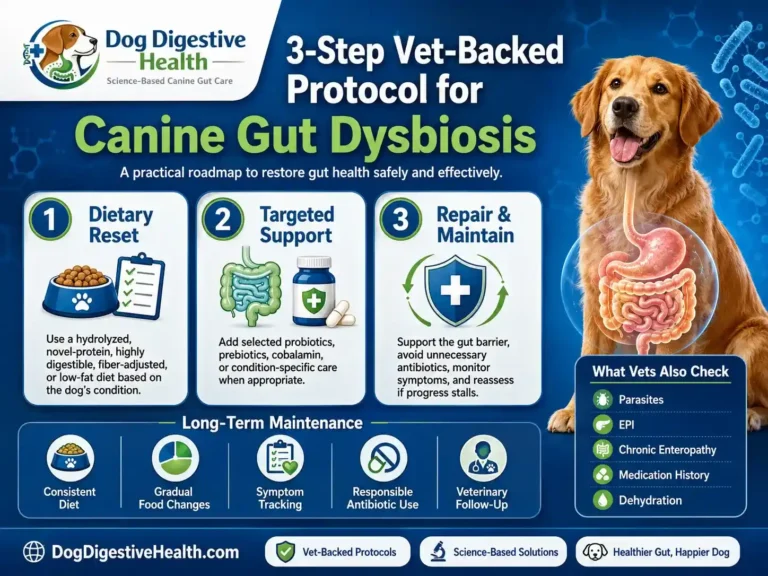
This three-step approach provides a practical framework for veterinary management. It is not a universal home remedy.
Some dogs need several interventions simultaneously. Others may require fluid therapy, hospitalization, immunomodulatory medication, or specialist care before microbiome support becomes relevant.
Step 1: Dietary Reset With Limited-Ingredient Novel-Protein Diets
For many stable dogs with chronic gastrointestinal signs, diet is the most productive first intervention.
The purpose of a dietary reset is not to starve every harmful organism. It is to:
- Reduce exposure to poorly tolerated ingredients
- Improve nutrient digestibility
- Modify intestinal fermentation
- Control fat when necessary
- Support normal stool formation
- Identify food-responsive disease
- Provide complete nutrition during recovery
Choosing the Best Diet for a Dog With Dysbiosis
Clinical pattern | Diet a veterinarian may consider |
Suspected food-responsive enteropathy | Hydrolyzed or genuinely novel-protein diet |
Small-bowel diarrhea | Highly digestible gastrointestinal diet |
Colitis or large-bowel diarrhea | Fiber-adjusted diet |
Lymphangiectasia or selected protein-losing conditions | Low-fat or ultra-low-fat diet |
Constipation with altered microbiota | Individualized soluble and insoluble fiber |
Multiple unsuccessful trials | Another hydrolyzed, novel-protein, or nutrient-profile approach |
A hydrolyzed diet contains proteins broken into smaller fragments. This may reduce immune recognition in dogs with food-responsive disease.
A novel-protein diet contains a protein the individual dog has not previously eaten.
Duck, salmon, lamb, venison, or rabbit is not truly novel when it has already appeared in the dog’s food, treats, chews, or flavored medication.
How Long Should a Veterinary Diet Trial Last?
Current guidance supports trying multiple appropriate therapeutic diets when possible. Each trial generally requires at least two weeks of exclusive feeding, although dogs with intermittent signs or concurrent skin disease may need a longer evaluation period (1).
During a strict diet trial, avoid:
- Table scraps
- Unapproved treats
- Dental chews
- Flavored supplements
- Flavored medications
- Food from another pet’s bowl
- Unapproved toppers
- Shared food toys
Even a small exposure can make an effective diet appear unsuccessful.
When a dog improves, the effective food should usually be continued long enough to establish stable remission. Any later transition should be gradual and planned with the veterinary team.
Step 2: Targeted Probiotics and Pancreatic Enzymes When Indicated
Probiotics and digestive enzymes have different clinical purposes. They should not automatically be combined or given to every dog with loose stool.
Does a Higher CFU Count Make a Probiotic Better?
CFU means colony-forming units. It estimates how many viable microorganisms a product contains.
A higher number does not automatically mean better results.
The best probiotic for canine dysbiosis depends on:
- The exact genus, species, and strain
- Evidence for the dog’s condition
- The dose used in clinical studies
- Product quality
- Storage requirements
- Viability through expiration
- Ability to survive digestive transit
- Compatibility with the dog’s treatment plan
A lower-CFU product containing a clinically evaluated strain may be more useful than a massive blend of poorly characterized organisms.
Probiotics, prebiotics, and synbiotics may support selected dogs, but their effects vary by product and disease. They should complement diagnosis and dietary management rather than replace them.
When Are Pancreatic Enzymes Necessary?
Pancreatic enzyme replacement is essential for dogs with exocrine pancreatic insufficiency, commonly called EPI.
Dogs with EPI may develop:
- Weight loss
- Large or pale stools
- Increased appetite
- Poor nutrient absorption
- Cobalamin deficiency
- Secondary dysbiosis
Pancreatic enzymes are not routine supplements for every case of canine gut dysbiosis. Current evidence does not support using them for chronic inflammatory enteropathy without an independent pancreatic indication (1).
A serum trypsin-like immunoreactivity test can help diagnose EPI before long-term enzyme treatment begins.
Step 3: Mucosal Barrier Support Using L-Glutamine and Prebiotics
The intestinal lining depends on adequate nutrition, controlled inflammation, healthy blood flow, and microbial metabolites.
L-glutamine is used as fuel by rapidly dividing cells, including intestinal epithelial cells. This makes it biologically relevant, but evidence supporting routine L-glutamine supplementation in dogs with naturally occurring dysbiosis remains limited.
L-glutamine should not be presented as a proven cure. Owners should not copy human supplement doses or add it to a complete therapeutic diet without veterinary guidance.
Prebiotics and Fermentable Fiber
Prebiotics are substrates that selected microorganisms use in ways that may benefit the host.
Common ingredients include:
- Inulin
- Fructooligosaccharides
- Mannan-oligosaccharides
- Galactooligosaccharides
- Resistant starch
- Beet pulp
- Psyllium
Fermentation of selected fibers can encourage short-chain fatty acid production. However, excessive fermentable fiber may increase gas, cramping, or loose stools in sensitive dogs.
The best fiber blend varies between patients. One dog may benefit from more soluble fermentable fiber, while another may need greater stool bulk or a less fermentable approach.
Introduce changes gradually unless the veterinarian recommends an immediate transition.
Other Ways to Support the Intestinal Barrier
A complete treatment plan may involve:
- Correcting dehydration
- Meeting calorie and protein needs
- Controlling vomiting and nausea
- Treating intestinal inflammation
- Correcting cobalamin deficiency
- Managing pancreatic disease
- Eliminating parasites
- Avoiding unnecessary antibiotics
- Adjusting soluble and insoluble fiber
- Maintaining consistent feeding times
- Reducing sudden dietary changes
Cobalamin deserves particular attention. Low vitamin B12 status can occur with chronic enteropathy and EPI. It may affect appetite, metabolism, and recovery. Suboptimal cobalamin levels should be corrected and monitored as part of the overall treatment plan (1).
How Long Does It Take to Fully Cure Gut Dysbiosis in a Dog?
There is no universal recovery timeline. For dogs with chronic disease, control or remission is often more accurate than “cure.”
Cause or condition | Possible clinical timeline |
Mild acute digestive upset | Several days |
Food-responsive enteropathy | Improvement may begin within days to two weeks. |
Dysbiosis after antibiotics | Several weeks or longer |
Chronic inflammatory enteropathy | Weeks to months |
EPI-associated dysbiosis | Improvement after enzyme and nutritional treatment, with continued management |
Severe protein-losing enteropathy | Highly variable |
Refractory chronic disease | Long-term management may be required. |
Stool quality can improve before the intestinal microbiome fully recovers. A dog may also feel better while the dysbiosis index or individual bacterial groups remain abnormal.
Monitor:
- Stool consistency
- Stool frequency
- Vomiting
- Appetite
- Body weight
- Muscle condition
- Energy
- Abdominal discomfort
- Blood albumin when relevant
- Cobalamin
- Disease-specific laboratory results
Do not continue an ineffective supplement indefinitely. When improvement stalls, the diagnosis and treatment plan should be reviewed.
Can Fecal Microbiota Transplantation Cure Chronic Dog Diarrhea?
Fecal microbiota transplantation, or FMT, transfers processed fecal material from a carefully screened healthy donor into a recipient’s gastrointestinal tract.
The aim is to introduce a broader microbial community and restore missing metabolic functions. Veterinary teams may administer FMT through an enema, endoscopic procedure, capsule, or another controlled method.
Research into FMT for chronic diarrhea in dogs is promising, but the treatment is not a guaranteed cure.
A 2025 study evaluated 20 dogs with chronic enteropathy that had responded poorly to dietary treatment. Seventeen dogs improved clinically during the initial follow-up, while 10 remained stable for up to one year. The study was relatively small; not every dog maintained improvement, and the authors emphasized the need for additional controlled research (3) (Nature).
FMT is currently best viewed as
- A developing treatment
- A possible option for selected dogs
- More appropriate after standard management has failed
- Dependent on strict donor screening
- Not consistently effective for every patient
- An adjunct rather than a replacement for diagnosis
Never perform a homemade fecal transplant. Donor stool can carry parasites, pathogenic bacteria, viruses, or antimicrobial-resistant organisms.
Safe FMT requires:
- Careful donor selection
- Infectious disease screening
- Appropriate preparation
- Controlled storage
- Veterinary administration
- Follow-up monitoring
Should I Use a Raw Food Diet to Fix My Dog’s Leaky Gut?
There is no strong evidence that a raw food diet reliably repairs intestinal permeability or cures canine gut dysbiosis.
Some dogs produce smaller or firmer stools after switching foods. That change may reflect differences in moisture, fiber, digestibility, fat, or protein. It does not prove that raw meat repaired the intestinal barrier.
Raw diets can introduce several risks:
- Bacterial contamination
- Parasite exposure
- Antimicrobial-resistant organisms
- Nutritional deficiencies
- Nutrient excesses
- Bone-related dental injury
- Gastrointestinal obstruction
These risks affect the dog and the people handling the food. Children, older adults, pregnant people, and immunocompromised household members may face greater danger from foodborne organisms.
A properly formulated commercial or cooked therapeutic diet can support digestive recovery without raw ingredients.
The most suitable food is one that is
- Complete and balanced
- Appropriate for the diagnosis
- Consistently tolerated
- Fed exclusively during a trial
- Monitored by the veterinary team
Long-Term Maintenance: Keeping Your Dog’s Microbiome Resilient
A stable microbiome is not built by constantly changing supplements. Long-term resilience depends on consistency, appropriate nutrition, careful medication use, and control of the underlying disease.
Maintain a Stable Nutritional Foundation
Choose a diet that is:
- Complete and balanced
- Suitable for the dog’s life stage
- Appropriate for existing medical conditions
- Consistently tolerated
- Produced with reliable quality control
Avoid switching foods every few weeks without a clear reason. Frequent changes make triggers difficult to identify and may destabilize a sensitive digestive system.
Use Antibiotics Responsibly
Not every episode of diarrhea requires metronidazole or another antibiotic.
When an antibiotic is medically necessary:
- Give it exactly as prescribed.
- Do not stop early without veterinary advice.
- Do not reuse leftover medication.
- Do not share medication between pets.
- Arrange reassessment if symptoms return.
Protect the Accuracy of Diet Trials
Dogs with food-responsive disease may relapse after small dietary exposures.
Keep a written list of:
- Approved foods
- Approved treats
- Safe chews
- Flavored medications
- Supplements
- Foods that previously caused problems
Everyone in the household should follow the same plan.
Introduce Food Changes Gradually
Sudden diet changes can cause vomiting, gas, or loose stools even when the new food is appropriate.
Unless the veterinarian recommends an immediate change, transition gradually over several days. Sensitive dogs may need a slower schedule.
Track Objective Changes
Use a weekly symptom log.
Variable | What to record |
Stool | Frequency, consistency, mucus, or blood |
Vomiting | Timing and number of episodes |
Appetite | Normal, reduced, or increased |
Weight | Weekly or as recommended |
Diet | Exact food, treats, and chews |
Medication | Name, dose, and timing |
Supplements | Product, strain, and amount |
Behavior | Energy, discomfort, or urgency |
A stool photograph and standardized fecal score often provide more useful information than saying a dog’s stomach “seems off.”
Schedule Veterinary Reassessment
Every canine dysbiosis protocol should include a review date.
The veterinarian may need to:
- Change the diet category
- Recheck cobalamin
- Repeat bloodwork
- Monitor albumin
- Reassess the Dysbiosis Index
- Test pancreatic function
- Perform abdominal imaging
- Recommend endoscopy or biopsy
- Refer the dog to an internal medicine specialist
Focus on the Whole Dog
A normal microbiome test is not the only goal. A successful treatment plan should improve:
- Comfort
- Appetite
- Stool quality
- Body weight
- Muscle condition
- Energy
- Nutritional status
- Quality of life
Final Takeaway
The most effective canine gut dysbiosis protocols do not begin with detox powders, random supplements, or aggressive attempts to eliminate every so-called bad bacterium.
They begin with an accurate clinical assessment.
For many stable dogs with chronic gastrointestinal signs, an appropriate and strictly controlled dietary trial offers the strongest first step. Targeted probiotics or prebiotics may provide additional support, but the specific strain and clinical purpose matter more than an impressive CFU number.
Pancreatic enzymes primarily belong in the treatment of confirmed exocrine pancreatic insufficiency. L-glutamine remains an optional adjunct with limited canine clinical evidence. Fecal microbiota transplantation is promising for selected refractory cases but should not be promoted as a guaranteed cure.
Most importantly, dysbiosis often reflects a deeper digestive problem. Treat the underlying condition, support the intestinal barrier, protect microbial diversity, and monitor the whole dog rather than chasing a single test result.
Medical Disclaimer
This article is for educational purposes only and does not replace professional veterinary advice, diagnosis, or treatment. Always consult a licensed veterinarian before changing your dog’s food, medication, supplements, or treatment plan. Seek prompt veterinary care if symptoms are severe, persistent, or worsening.
Frequently Asked Questions (FAQs)
1. What is canine gut dysbiosis?
Canine gut dysbiosis is an unfavorable change in the microorganisms living in a dog’s digestive tract. It can affect digestion, stool quality, microbial metabolism, and intestinal health.
2. Can probiotics cure canine gut dysbiosis?
Probiotics may support selected dogs, but they do not cure every case. The underlying digestive disorder must also be identified and treated.
3. What should I feed a dog with gut dysbiosis?
A veterinarian may recommend a hydrolyzed, novel-protein, highly digestible, fiber-adjusted, or low-fat diet based on the dog’s symptoms and diagnosis.
4. Can the Dysbiosis Index confirm inflammatory bowel disease?
No. The test identifies fecal microbiome changes but cannot diagnose inflammatory bowel disease, food allergy, cancer, or pancreatic disease by itself.
5. Can canine gut dysbiosis return after treatment?
Yes. Relapse may follow dietary indiscretion, antibiotic exposure, stress, or recurrence of the underlying intestinal condition.
6. When should a dog with diarrhea see a veterinarian?
Seek veterinary care for persistent diarrhea, repeated vomiting, blood in the stool, dehydration, abdominal pain, weakness, appetite loss, or weight loss.
References
- Heilmann RM, Jergens AE, Kathrani A, et al. ACVIM-endorsed statement: consensus statement and systematic review on guidelines for the diagnosis and treatment of chronic inflammatory enteropathy in dogs. Journal of Veterinary Internal Medicine. 2026;40(1):aalaf017. doi:10.1093/jvimsj/aalaf017
- Stübing H, Suchodolski JS, Reisinger A, Werner M, Hartmann K, Unterer S, Busch K. The effect of metronidazole versus a synbiotic on clinical course and core intestinal microbiota in dogs with acute diarrhea. Veterinary Sciences. 2024;11(5):197. doi:10.3390/vetsci11050197
- Vecchiato CG, Sabetti MC, Sung CH, et al. Effect of faecal microbial transplantation on clinical outcome, faecal microbiota and metabolome in dogs with chronic enteropathy refractory to diet. Scientific Reports. 2025;15:11957. doi:10.1038/s41598-025-96906-7