
Dog Ate Table Scraps? Causes of Diarrhea and Recovery Tips
Written by: Dr. Akram Khan, DVM
Medically Reviewed by: Dr. Khalid Mehmood, PhD (Assistant Professor in Clinical Veterinary Medicine)
Last updated on October 17, 2026
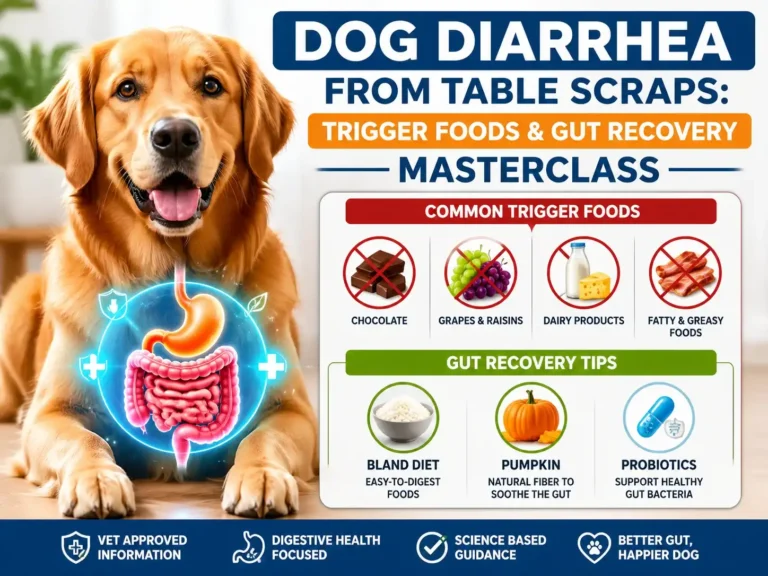
If your dog ate table scraps and now has diarrhea, the cause is often rich, fatty, spicy, or unfamiliar human food upsetting the gut. Many pet owners search for dog diarrhea after eating human food, what to feed a dog with diarrhea after table scraps, and home remedies for dog diarrhea from table food because they need fast, safe answers. In this guide, you’ll learn why table scraps trigger loose stools, which foods are most risky, how to support gut recovery with hydration, bland food, pumpkin, and probiotics, and when diarrhea means it’s time to call your vet.
If your dog has diarrhea after eating table scraps, offer fresh water, stop rich or fatty foods, and feed small portions of a bland diet such as boiled chicken and plain white rice. Plain canned pumpkin and dog-safe probiotics may help firm stools and support gut recovery. Call your vet if diarrhea lasts more than 24–72 hours, or if you notice vomiting, blood, lethargy, dehydration, or loss of appetite.
Suspected toxic ingestion requires immediate veterinary or animal poison-control advice, not waiting for diarrhea to persist. The FDA specifically advises immediate contact for suspected xylitol ingestion.
Why Does My Dog Get Diarrhea After Eating Table Scraps?
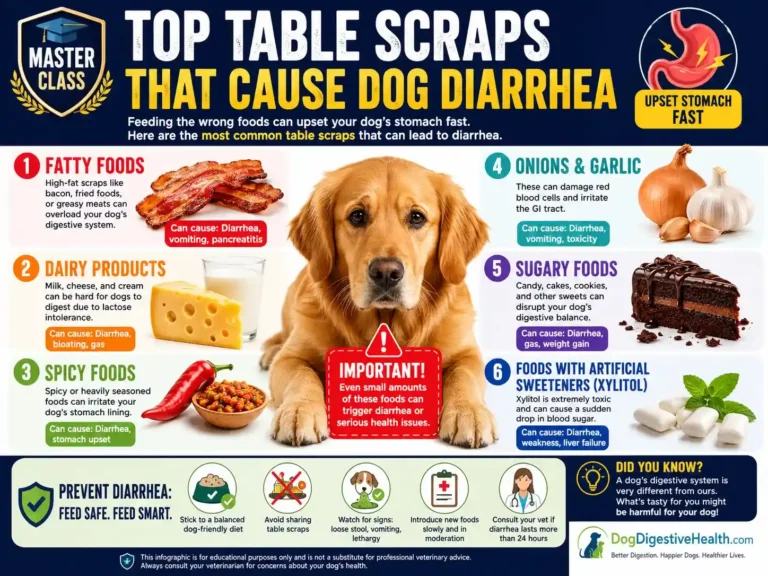
- Sensitive digestive system: Dogs have a digestive system that requires a balanced diet, and sudden changes can lead to diarrhea.
- Dietary indiscretion:
- When dogs eat rich, fatty, or spicy foods, their intestines may not absorb water properly, leading to osmotic diarrhea.
- This results in loose stools and intestinal discomfort.
- Gut microbiota disruption:
- Sudden changes in diet can disrupt the balance of good and bad bacteria in the gut, leading to dysbiosis and worsening diarrhea.
- Irritants:
Foods like caffeine, high salt, or dairy sugars irritate the gut lining, accelerating transit time and causing diarrhea
Which Human Foods Cause Diarrhea in Dogs?
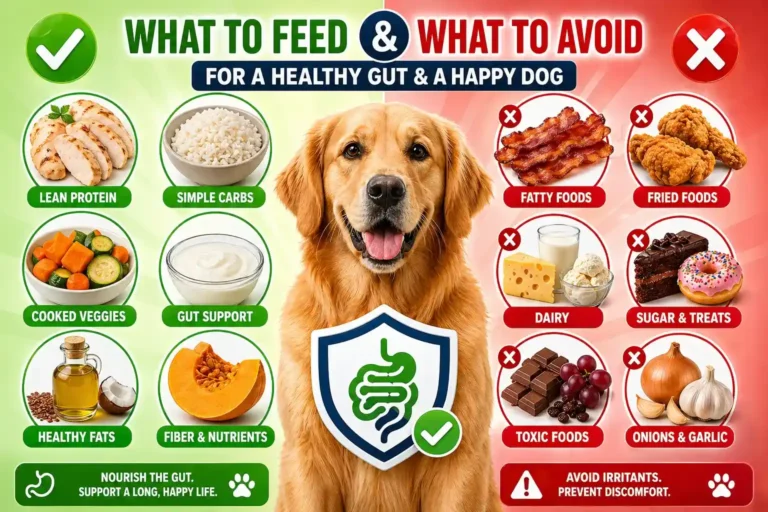
1. Chocolate & Caffeine
- Contains methylxanthines, which can cause GI upset, vomiting, and diarrhea in dogs.
- Even small amounts can be toxic to dogs.
2. Dairy Products
- Most adult dogs are lactose intolerant and can suffer from gas, bloating, and diarrhea after eating dairy.
3. Grapes, Raisins, Currants
- These fruits are toxic to dogs and can cause kidney injury and GI upset, including diarrhea.
4. Fatty or Fried Foods (French Fries, Gravy, Fat Trimmings)
- High-fat content can overwhelm the digestive system, causing osmotic diarrhea.
5. Salty Snacks & Processed Meats
- Excess sodium can lead to salt toxicity, resulting in dehydration and GI distress, including diarrhea.
6. Undercooked or Spoiled Meats
- Contaminated meats harbor pathogens (e.g., Salmonella, E. coli) that can cause intestinal inflammation and diarrhea.
7. Foods With Xylitol
- Xylitol is a toxic sugar substitute that can cause severe GI upset, liver failure, and diarrhea.
How Can I Help My Dog Recover From Diarrhea After Eating Table Scraps?
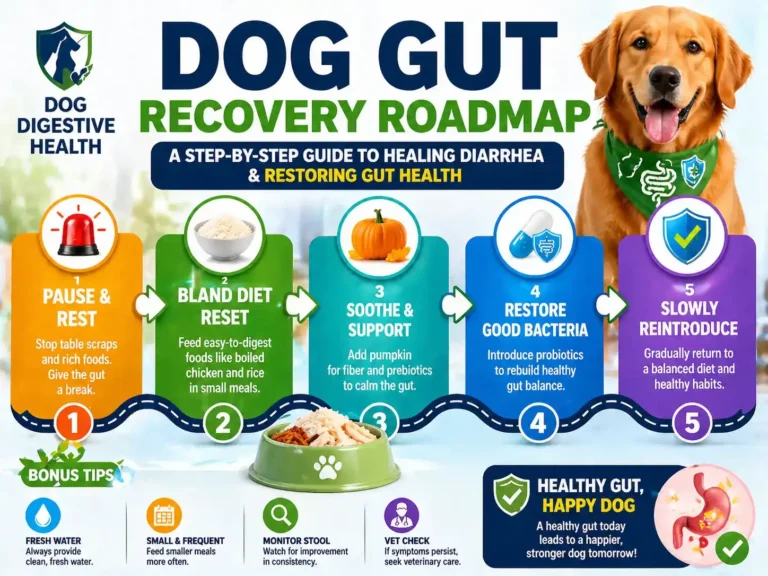
Ensure hydration first:
- Diarrhea leads to fluid loss; provide fresh water continuously and consider electrolyte solutions as needed (under veterinary guidance).
- Critical to prevent dehydration and kidney strain.
Transitional bland diet:
- Highly digestible foods like boiled skinless chicken or turkey, boiled lean ground beef, and plain white rice are easy on the dog’s digestive system.
- Start with small, frequent meals, and gradually increase portion sizes as diarrhea improves.
- Transition back to regular food gradually once diarrhea resolves.
Fiber support with pumpkin:
- Canned pureed pumpkin (plain, not pie filling) offers soluble fiber, which helps firm up stools and feeds beneficial gut bacteria.
Probiotic supplementation:
- Probiotics (e.g., Enterococcus faecium SF68®) help restore gut microbial balance, reduce diarrhea severity, and improve digestion.
Avoid overuse of human medications:
- Human antidiarrheals like Imodium and Pepto Bismol can mask symptoms or worsen the issue, so they should only be used under veterinary guidance.
When Should I Take My Dog to the Vet for Diarrhea?
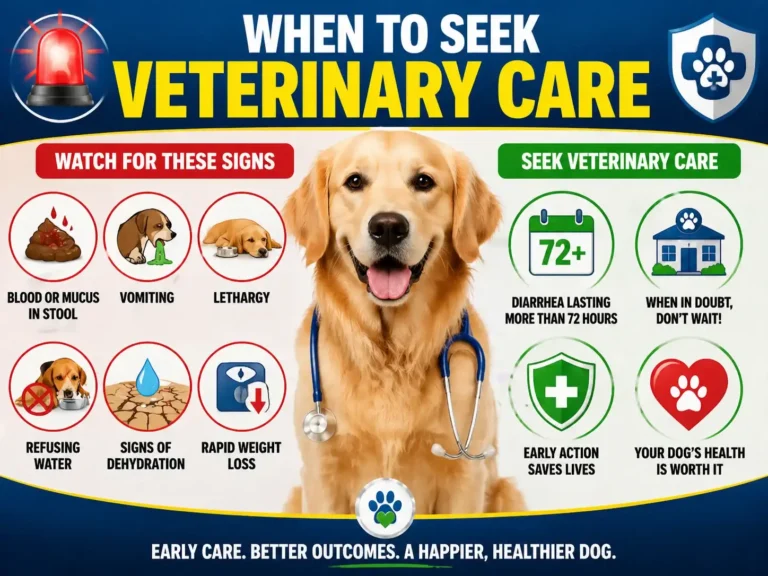
- Persistent diarrhea (longer than 72 hours).
- Blood or mucus in stool.
- Lethargy, vomiting, or refusing water.
- Signs of dehydration or rapid weight loss.
What Does Research Say About Treating Dog Diarrhea From Table Food?
- Probiotic Research in Canine GI Health:
- Studies show that probiotics play a significant role in restoring gut balance and resolving diarrhea.
- Therapeutic Diets for Acute Diarrhea:
- A low-residue, digestible diet helps in intestinal recovery and reduces fluid loss.
These findings support current best practices for dietary management and microbial balance in cases triggered by table scraps.
How Can I Prevent My Dog From Getting Diarrhea From Human Food?
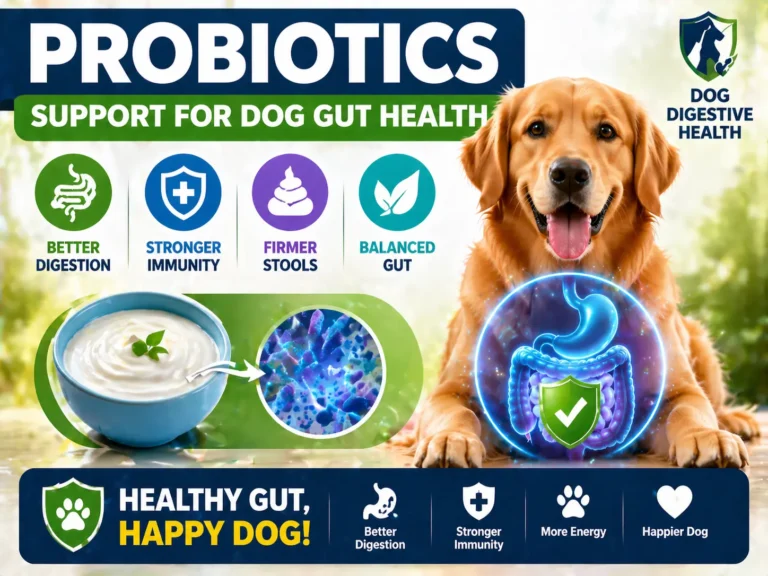
Feeding dogs table scraps may seem harmless, but it carries risks of diarrhea, gut dysbiosis, and dehydration. By understanding which foods are dangerous, applying vet-recommended recovery diets, and using probiotics and fiber appropriately, you can help your dog recover quickly and safely after an upset stomach episode.
Proper care, hydration, and veterinary support ensure that your canine companion stays healthy even after accidental ingestion of inappropriate foods
Medical Disclaimer
This article is for informational purposes only. It is not intended as medical advice. Always consult your veterinarian before making changes to your dog’s diet or health regimen.
Frequently Asked Questions(FAQs):
1.Why does my dog get diarrhea from table scraps?
Table scraps are rich in fats, spices, and ingredients that dogs’ digestive systems can’t easily process, leading to osmotic diarrhea.
2.Which human foods are most harmful to dogs?
Foods like chocolate, caffeine, grapes, and fatty meats can trigger diarrhea, vomiting, and more serious conditions in dogs.
3.How can I treat my dog’s diarrhea caused by table scraps?
Start by ensuring hydration, then transition to a bland diet of boiled chicken and rice. Probiotics can also support gut recovery.
4.Can probiotics help a dog with diarrhea?
Yes, probiotics promote gut health and restore microbial balance, which can aid in resolving diarrhea.
5.When should I take my dog to the vet for diarrhea?
If diarrhea lasts more than 72 hours, or if there’s blood or mucus in the stool, seek immediate veterinary care.
References:
- Norman, R. J., et al. (2023). Dietary indiscretion and its role in acute diarrhea in dogs. Journal of Veterinary Microbiology, 134(2), 99–105.
- Coyle, W. B., et al. (2023). Probiotics for canine gastrointestinal health: A review of the literature. Frontiers in Microbiology, 14, 846213.
- Smith, E. T., et al. (2023). Physiological effects of high-fat foods on canine digestion. Journal of Digestive Science, 59(4), 102–110.
- Parker, M. G., et al. (2023). Toxicity of sugar substitutes in dogs: A comprehensive review. Food Chemistry, 327, 133890.