
What Do Probiotics Do for Dogs? Benefits, Uses & Safety
Written by: Dr. Akram Khan, DVM
Medically Reviewed by: Dr. Muhammad Saeed, PhD
Last updated on September 07, 2026
Probiotics for dogs are live beneficial bacteria that help support digestion, stool quality, gut microbiome balance, and immune health. If you are wondering what probiotics do for dogs, whether vet-recommended probiotics for dogs are worth using, how long it takes for probiotics to work in dogs, or whether you should give your dog probiotics every day, the answer depends on your dog’s age, diet, health condition, and the specific probiotic strain used. In general, the right probiotic can help restore healthy gut bacteria, especially after diarrhea, antibiotics, stress, diet changes, or ongoing digestive sensitivity.
What do probiotics do for dogs?
Probiotics for dogs are live beneficial bacteria that support digestion, stool quality, gut microbiome balance, and immune health. They may help restore healthy gut bacteria after diarrhea, antibiotics, stress, or diet changes. Many dogs can take probiotics daily, but the best strain, dose, and duration depend on your dog’s health needs and veterinary guidance.
What Are Probiotics for Dogs?
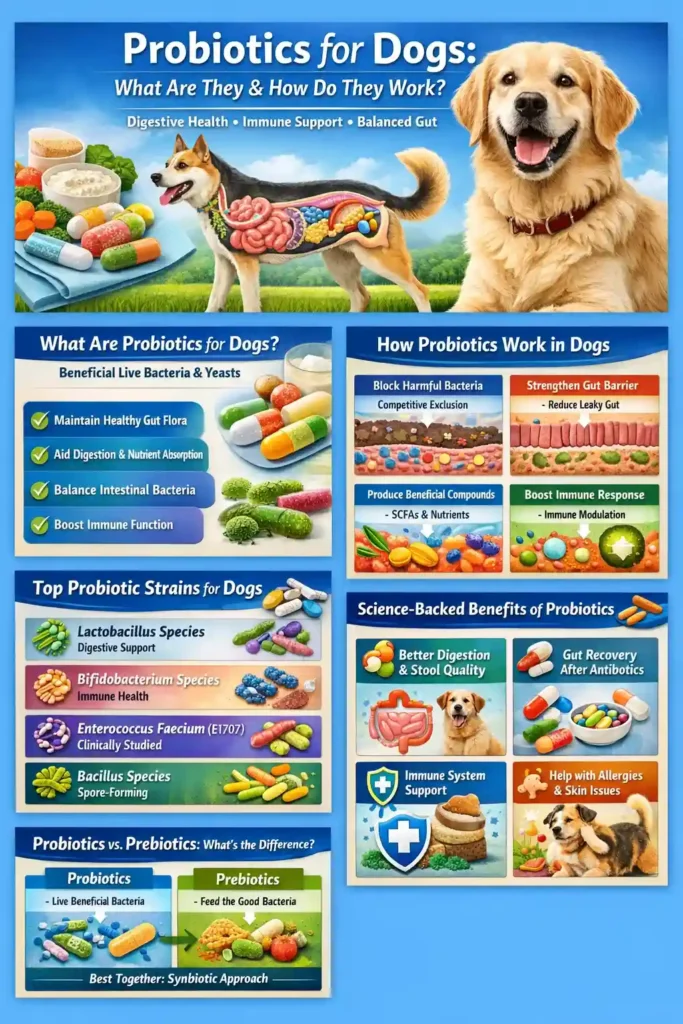
Probiotics are live, beneficial microorganisms—primarily bacteria and some yeast strains—that provide health benefits when administered in adequate amounts.
In dogs, probiotics help to:
- Maintain healthy gut flora
- Support digestion and nutrient absorption
- Balance intestinal bacteria after disruption
- Strengthen immune system function
- Support gut barrier integrity
Unlike harmful bacteria (pathogens), probiotic strains work symbiotically with your dog’s digestive system, promoting long-term gastrointestinal stability.
How Do Probiotics Work in a Dog’s Digestive System?
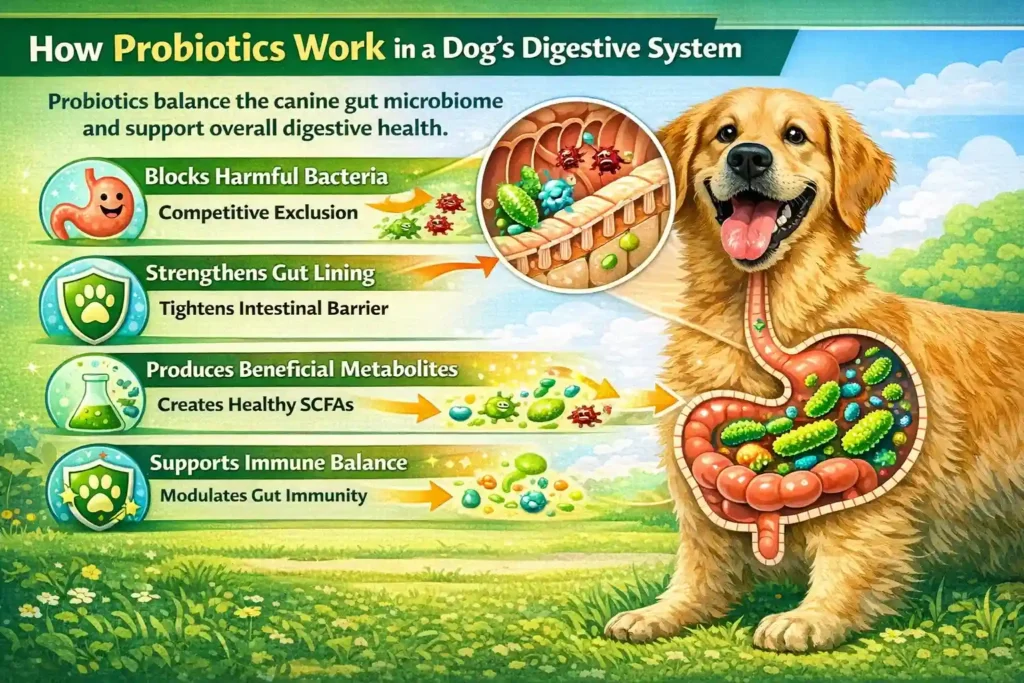
Probiotics support canine digestion through several key mechanisms:
1. Competitive Exclusion of Harmful Bacteria
Beneficial microbes occupy intestinal space and consume nutrients, preventing pathogenic bacteria from overgrowing.
2. Strengthening the Intestinal Barrier
Probiotics help maintain tight junctions in the gut lining, reducing leaky gut and inflammation.
3. Production of Beneficial Metabolites
They produce short-chain fatty acids (SCFAs) that nourish intestinal cells and regulate gut pH.
4. Immune System Modulation
Gut bacteria interact with immune cells, helping the body respond appropriately to threats without overreacting.
Together, these actions support a balanced canine gut microbiome, which is the foundation of digestive and immune health.
Most Common Probiotic Strains Used in Dogs
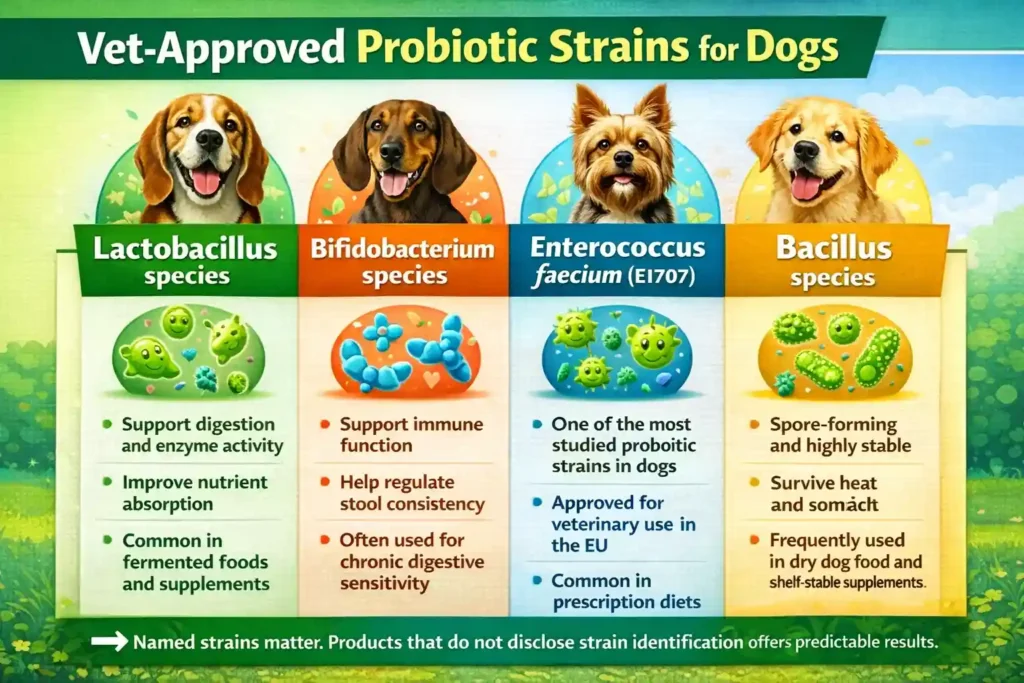
Top veterinary and clinical probiotic products typically contain the following well-researched strains:
Lactobacillus species
- Support digestion and enzyme activity
- Improve nutrient absorption
- Common in fermented foods and supplements
Bifidobacterium species
- Support immune function
- Help regulate stool consistency
- Often used for chronic digestive sensitivity
Enterococcus faecium (E1707)
- One of the most studied probiotic strains in dogs
- Approved for veterinary use in the EU
- Common in prescription diets and supplements
Bacillus species
- Spore-forming and highly stable
- Survive heat and stomach acid
- Frequently used in dry dog food and shelf-stable supplements
➡️ Named strains matter. Products that do not disclose strain identification offer less predictable results.
Science-Backed Benefits of Probiotics for Dogs
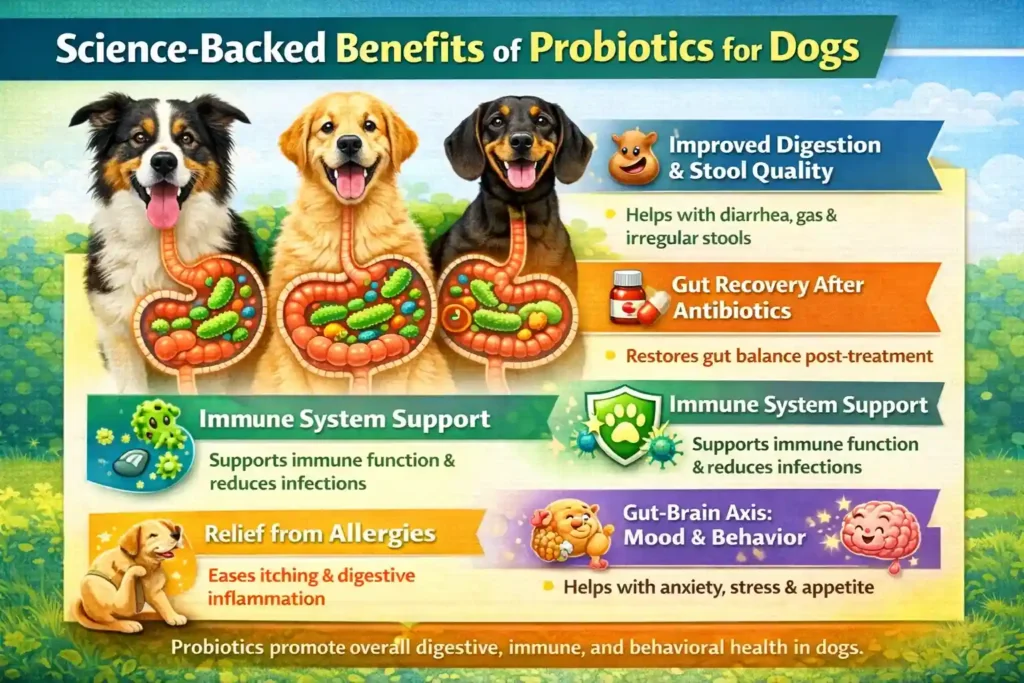
1. Improved Digestion and Stool Quality
Probiotics are widely used to manage:
- Acute and chronic diarrhea
- Gas, bloating, and flatulence
- Irregular or loose stools
- Sensitive stomachs
2. Gut Recovery After Antibiotics
Antibiotics disrupt both harmful and beneficial bacteria. Probiotics help restore microbial balance and reduce antibiotic-associated digestive upset.
3. Immune System Support
Over 70% of a dog’s immune system is linked to the gut. Balanced gut bacteria contribute to:
- Reduced infection risk
- Improved immune tolerance
- Faster recovery from illness
4. Support for Food Allergies and Sensitivities
By regulating inflammation and immune response, probiotics may help reduce:
- Food intolerance reactions
- Chronic itching and skin issues
- Inflammatory digestive conditions
5. Gut–Brain Axis: Mood, Stress, and Behavior
Gut bacteria influence neurotransmitters involved in:
- Anxiety regulation
- Stress response
- Appetite and behavior
Dogs with healthier gut flora often show better emotional stability and resilience.
Probiotics vs Prebiotics: What’s the Difference?
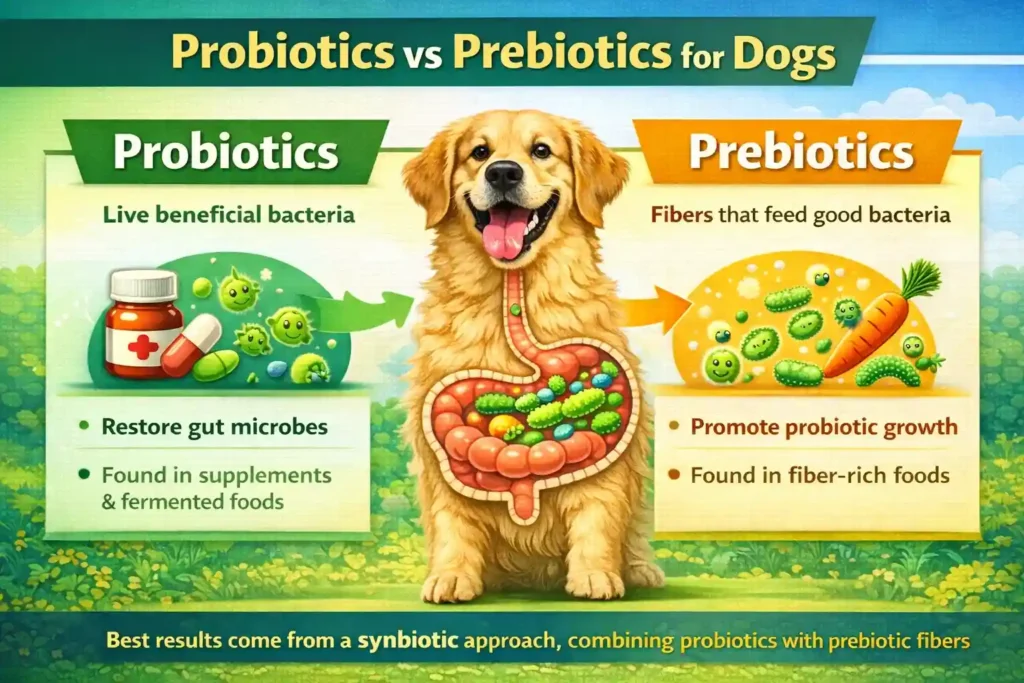
Probiotics | Prebiotics |
Live beneficial bacteria | Fibers that feed good bacteria |
Restore gut microbes. | Promote probiotic growth. |
Found in supplements and fermented foods | Found in fiber-rich foods |
➡️ Best results come from a synbiotic approach, combining probiotics with prebiotic fibers.
Natural Food Sources of Probiotics for Dogs
Some dog-safe options include:
- Plain, unsweetened yogurt (small amounts)
- Fermented goat’s milk
- Vet-approved kefir
⚠️ Not all dogs tolerate dairy. Introduce slowly and discontinue if digestive upset occurs.
Probiotic Supplements vs Probiotic Dog Food
Probiotic Supplements
- Higher CFU concentration
- Targeted strain selection
- Ideal during illness, stress, or antibiotic use
Probiotic-Enhanced Dog Food
Examples include:
- Hill’s Science Diet Digestive Care
- Hill’s ActivBiome+
- Purina Pro Plan Adult Perfect Digestion
These diets support maintenance, not acute digestive problems.
How to Choose the Best Probiotic for Dogs
Look for products that include:
- Named probiotic strains
- Appropriate CFU dosage
- Veterinary formulation
- Clear storage instructions
- Transparent ingredient labeling
Avoid supplements with generic “proprietary blends” or missing strain data.
How Much Probiotic Should You Give a Dog?
Probiotic dosage depends on:
- Dog’s weight and size
- Age and life stage
- Health condition
- CFU strength of the product
Always follow label instructions or veterinarian guidance for safe dosing.
Are Probiotics Safe for Dogs?
Yes—when used appropriately.
Possible mild side effects include:
- Temporary gas
- Soft stool during adjustment
These typically resolve within a few days. Discontinue and consult a vet if symptoms persist.
When Should Dogs Take Probiotics?
Probiotics are especially beneficial during:
- Antibiotic treatment
- Digestive illness
- Stressful events (travel, boarding)
- Diet transitions
- Chronic gastrointestinal disorders
Do Puppies and Senior Dogs Need Probiotics?
- Puppies: Support gut development and immune maturation
- Senior dogs: Help counter reduced microbial diversity with age
Life stage significantly influences gut health needs.
Can Dogs and Cats Share the Same Probiotics?
No. Dogs and cats have species-specific digestive systems and microbial requirements. Always use pet-specific formulations.
What Does Veterinary Research Say About Probiotics for Dogs?
Clinical studies support probiotic use for:
- Diarrhea management
- Immune modulation
- Improved stool consistency
- Reduced antibiotic-associated gut issues
The strongest evidence supports Enterococcus faecium–based products in dogs.
Veterinary Research & Clinical Guidance
Information in this article reflects established veterinary nutrition and probiotic research, including guidance from veterinary organizations, clinical studies on canine probiotics, and resources such as the Merck Veterinary Manual and peer-reviewed veterinary journals.
Medical Disclaimer
This content is for educational purposes only and does not replace professional veterinary advice. Always consult a licensed veterinarian for diagnosis and treatment.
Frequently Asked Questions (FAQs)
1.How long do probiotics take to work in dogs?
Most dogs show improvement within 7–14 days, depending on the condition.
2.Can probiotics be given daily?
Yes, many veterinary probiotics are safe for long-term daily use.
3.Are human probiotics safe for dogs?
Not recommended unless prescribed by a veterinarian.
4.Should probiotics be given with food?
Most are best given with meals for improved survival.
5.Can probiotics help with chronic diarrhea?
They can support management but should not replace diagnosis or treatment.