
How to Safely Collect a Dog Stool Sample
Written by: Dr. Akram Khan, DVM
Medically Reviewed by: Dr. Khalid Mehmood, PhD
Last updated on September 06, 2026
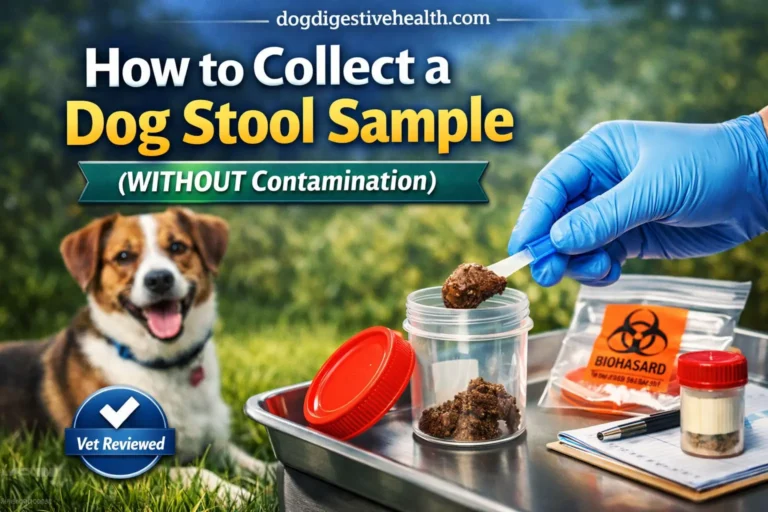
Collecting a dog stool sample for the vet without contamination is one of the easiest ways to improve the accuracy of a dog fecal test, fecal exam, fecal flotation, fecal antigen test, or PCR stool test. A sample that is too old, too small, mixed with grass, soil, water, litter, or picked up in a dirty container can reduce test quality and may increase the chance of an inaccurate result.
If you want to know how to collect a dog stool sample for the vet, how to collect a dog fecal sample without contamination, or how to store a dog stool sample before the vet visit, this guide gives you the exact process in a clean, practical, and medically accurate format.
What You Need Before You Collect the Sample
- A clean, dry, leak-proof stool container or vet-provided sample pot
- Disposable gloves
- A clean plastic spoon, scoop, or poop bag
- A secondary sealable plastic bag
- A label with:
- Your dog’s name
- Date collected
- Time collected
- Best practice for a dog stool sample container:
- Use a clean, dry container with a tight closure
- Do not use a container that previously held food unless it has been thoroughly cleaned and dried
- Do not use a wet, dirty, or leaking container
How to Collect a Dog Stool Sample Step by Step
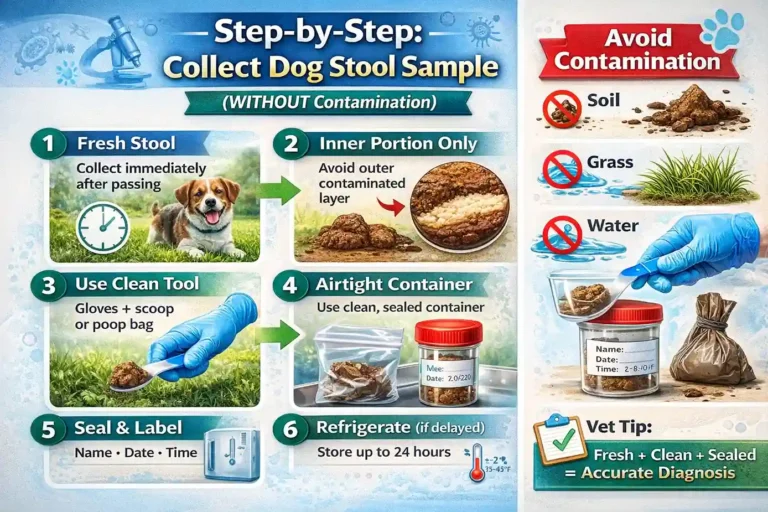
Step 1: Wait for the freshest stool possible
- The best sample is collected immediately after your dog passes stool
- Fresh stool is preferred because parasite stages and test targets can degrade over time
- If the sample cannot go straight to the clinic, refrigerate it promptly
Step 2: Choose the cleanest part of the stool
- Pick up stool from the middle or inner portion
- Avoid the part touching:
- soil
- grass
- gravel
- mulch
- standing water
- This matters because environmental contact can change sample quality and introduce outside organisms
Step 3: Use a clean tool
- Use a clean scoop, spoon, or poop bag
- Do not touch the sample with bare hands
- Do not reuse a dirty tool from another sample
- This lowers contamination risk and is safer for people handling dog feces
Step 4: Collect enough stool for testing
- A practical target is about:
- 1 teaspoon
- or a piece about 1 inch long
- This is usually enough for routine dog fecal testing, though some clinics may request more for specific testing
Step 5: Seal the sample immediately
- Close the lid tightly
- Put the container inside a second sealed bag if possible
- This helps preserve the sample and prevent leakage or odor spread
Step 6: Label the sample clearly
- Add:
- dog’s name
- collection date
- collection time
- Proper labeling helps the veterinary clinic process the sample correctly
How to Avoid Contaminating the Stool Sample
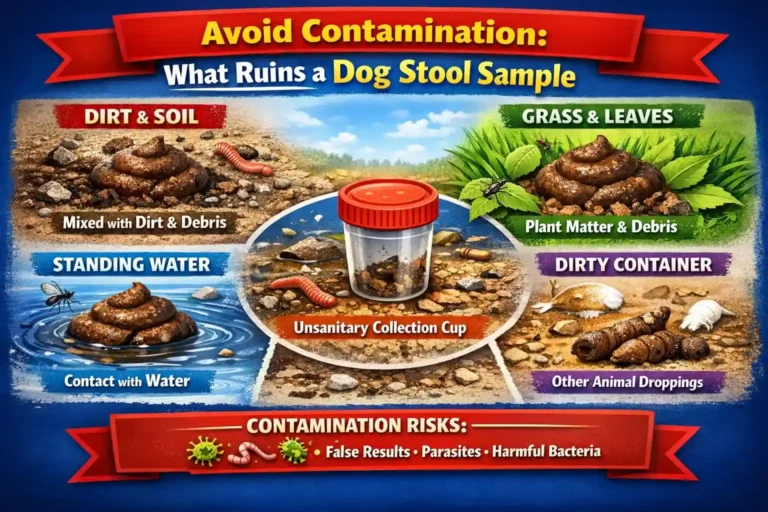
- If you are searching for how to avoid contaminating a dog stool sample, these are the most important rules:
Do
- Collect stool right after defecation
- Take from the clean inner section
- Use a clean, dry, sealed container
- Refrigerate if you are not going to the clinic right away
Do not
- Let the stool sit on the lawn for hours
- Collect stool mixed with grass, dirt, gravel, or mulch
- Rinse the sample
- Put the sample in a wet container
- Mix an old stool sample with a fresh one
- Leave it at room temperature too long
- Why contamination matters:
- Soil and grass exposure can introduce free-living organisms
- Old samples can lose fragile parasite stages
- Room-temperature delays can reduce sample usefulness for some tests
- Poor-quality samples can make dog parasite testingless reliable
How Much Dog Stool Should You Bring to the Vet
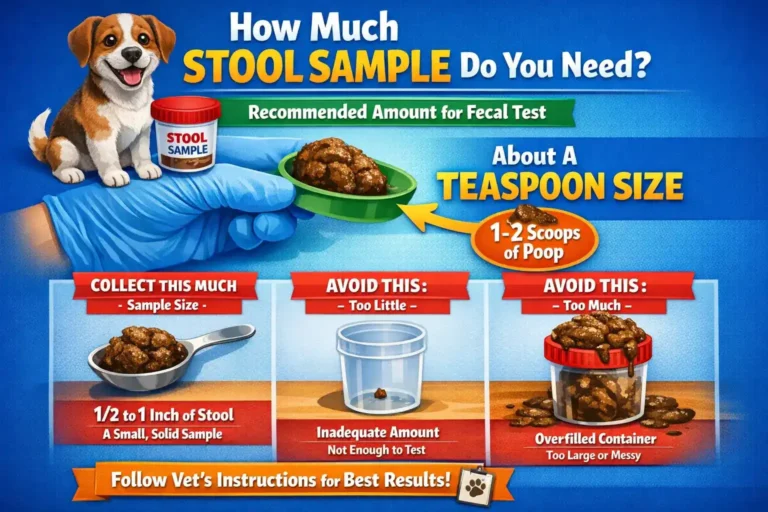
- For most routine fecal exams, bring:
- about 1 teaspoon
- or a sample about 1 inch long
- Bigger is not always better
- An oversized sample is usually unnecessary
- A small but fresh and clean specimen is often more useful than a larger contaminated one
- If your clinic ordered a specialized test, ask whether they want:
- a larger stool sample
- multiple stool samples
- samples collected on different days
- This is relevant because some parasites are shed intermittently, so your vet may sometimes request repeat or serial samples if suspicion remains high despite one negative result
What to Do If Your Dog Has Diarrhea or Watery Stool
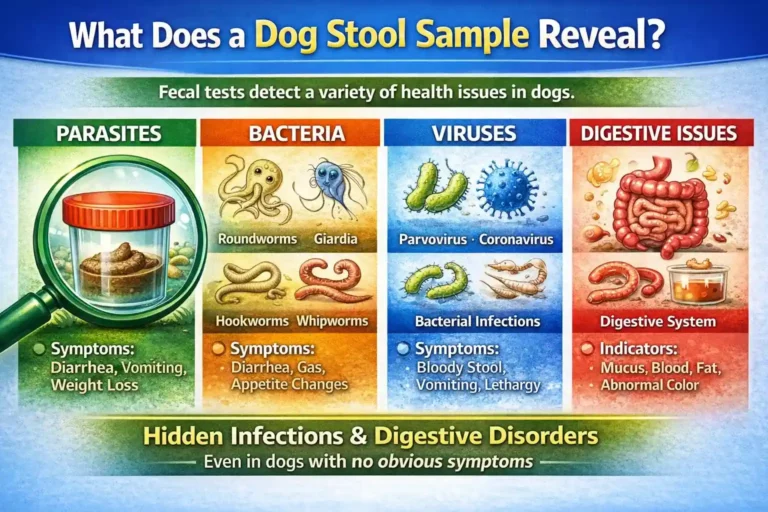
- If you are wondering how to collect a diarrhea stool sample from a dog or how to collect watery dog stool for the vet, use this approach:
- Use:
- a clean spoon
- a scoop
- a clean disposable container
- or the inside of a poop bag to gather the sample carefully
- Try to collect:
- the least contaminated portion
- as soon as the stool is passed
- before it spreads into grass or soil
- If the stool is very loose:
- Collect whatever amount you reasonably can
- A smaller fresh sample is still better than an older contaminated one
- Important note:
- Watery stool can still be useful for testing
- Some tests can be affected by excessive dilution or blood, so prompt delivery matters
- If you cannot collect a loose sample at home:
- Call your veterinarian
- The clinic may collect a sample directly if needed
How to Store the Sample Before the Vet Visit
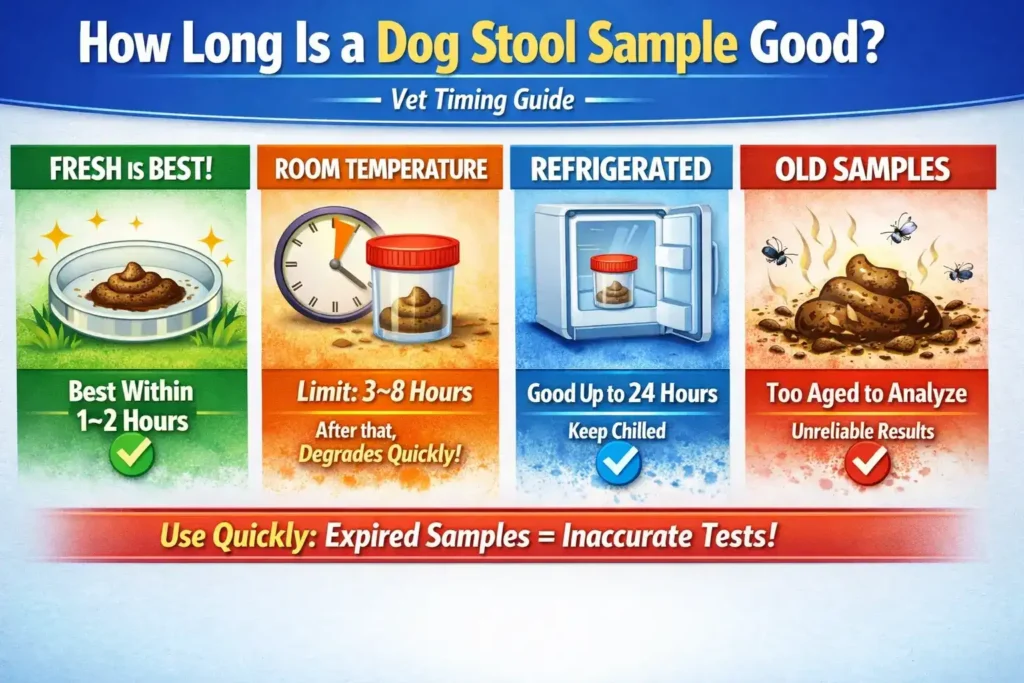
- If you are asking should I refrigerate my dog’s stool sample, the answer is usually yes if you cannot take it to the clinic quickly
- Storage tips:
- Refrigerate at normal refrigerator temperature
- Keep the container sealed
- Keep it away from human food
- Bring it to the clinic as soon as possible
- Current guidance commonly supports:
- immediate submission when possible
- refrigeration if delayed
- avoiding long room-temperature storage
- Practical timing:
- best: as soon as possible
- commonly acceptable: same day
- many veterinary sources advise that refrigerated samples are best used within about 24 hoursfor routine clinic handling
- Do not:
- leave the sample in a hot car
- freeze it unless your veterinarian specifically instructs you to do so
- keep it unsealed in the refrigerator
Common Mistakes That Can Ruin a Dog Stool Sample
- Collecting stool that is:
- dried out
- old
- heavily exposed to sun or heat
- Letting the sample touch:
- grass
- dirt
- mulch
- gravel
- puddle water
- Using:
- a dirty scoop
- a wet jar
- a leaking bag
- an unlabeled container
- Waiting too long before refrigeration or clinic drop-off
- Mixing multiple bowel movements together without instructions from your vet
- Why these mistakes matter:
- They can reduce diagnostic quality
- They can affect the detection of parasite eggs, cysts, antigens, or DNA
- They may lead to repeat testing, delayed treatment, or less confidence in the result
When to Call the Vet Instead of Re-Collecting a Sample
- Contact your veterinarian promptly if:
- You cannot get a clean sample
- Your dog has repeated diarrhea
- There is blood in the stool
- There is mucus in the stool
- Your dog seems weak, dehydrated, or is vomiting
- Your vet specifically wants a same-day fresh specimen
- Your veterinarian may recommend:
- in-clinic collection
- repeat fecal examination
- fecal antigen testing
- fecal PCR
- testing multiple samples on separate days if parasites are still suspected
Final Clinical Insight:
- The best dog stool sample for the vet:
- fresh
- clean
- dry on the outside
- sealed
- properly labeled
- refrigerated if delayed
- The simplest formula is
- Fresh + Clean + Sealed + Refrigerated = Better Testing Quality
- Whether your dog is being checked for Giardia, coccidia, roundworms, hookworms, whipworms, or a broader gastrointestinal issue, correct collection improves the quality of the sample your veterinarian receives.
Medical Disclaimer
This article is for educational purposes only and is not a substitute for veterinary diagnosis, testing, or treatment. If your dog has blood in the stool, severe diarrhea, vomiting, weakness, dehydration, or ongoing digestive symptoms, contact a licensed veterinarian promptly.
FequentlyAsked Questions(FAQs)
1) How fresh should a dog stool sample be for the vet?
- Ideally, collect it immediately after your dog poops.
- If you cannot go right away, refrigerate it and try to submit it the same day.
2) Can a dog stool sample be contaminated by grass or soil?
- Yes,
- Grass, soil, mulch, and gravel can contaminate the sample and reduce test quality.
3) What is the best container for a dog stool sample?
- A clean, dry, leak-proof container with a tight lid is best.
- A vet-provided sample pot is ideal.
4) How much dog stool does a vet need?
Usually about 1 teaspoon or a piece around 1 inch long is enough for routine testing.
5) Should I refrigerate my dog’s stool sample?
- Yes, if you cannot take it to the clinic immediately.
- Keep it sealed and refrigerated until drop-off.
6) Can I collect a stool sample if my dog has diarrhea?
- Yes
- Use a clean spoon, scoop, or bag and collect the freshest, least contaminated portion possible.
7) When should I call the vet instead of collecting another sample?
Call if there is blood, repeated diarrhea, vomiting, dehydration, or if you cannot obtain a clean sample.
References
- Langon, X., Midwinter, A. C., Hall, E. J., Blaikie, J., & Tooley, K. L. (2023). Validation of method for faecal sampling in cats and dogs for faecal microbiome analysis. BMC Veterinary Research, 19, 274.
- MSD Veterinary Manual. (2024). Parasitology in veterinary practice. Merck & Co., Inc.
- Companion Animal Parasite Council (CAPC). (2025). General guidelines for dogs and cats.
- Koehler, R. (2024, September 30). Fecal tests for dogs: What are they, and why are they important?
- VCA Animal Hospitals. (n.d.). Importance of fecal tests in dogs & cats.