
Best Foods to Improve Dog Gut Health and Boost Immunity Naturally
Written by: Dr. Akram Khan, DVM
Medically Reviewed by: Dr. Muhammad Saeed, PhD
Last updated on September 05, 2026
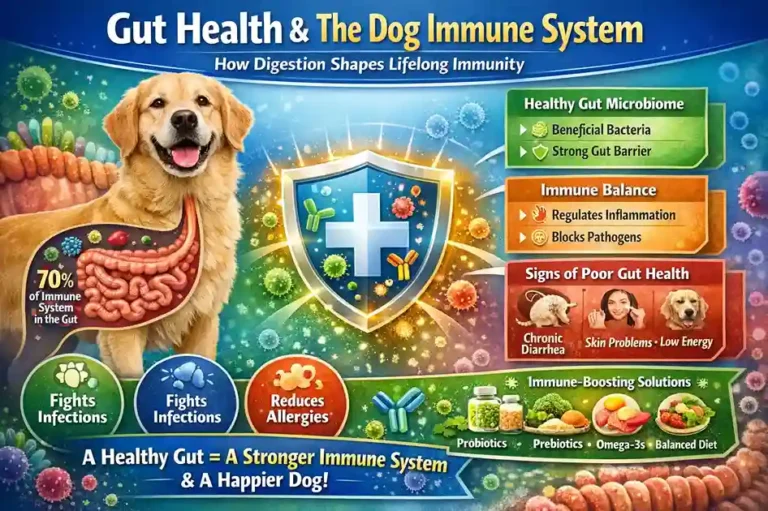
Gut health in dogs plays a crucial role not only in digestion but also in overall immune system function. Studies show that more than 70% of a dog’s immune system is linked to the gastrointestinal tract, emphasizing the importance of a healthy gut for dog immunity and long-term wellness. By maintaining a balanced gut microbiome, pet owners can help boost their dog’s immune system and improve digestion, offering a solid foundation for their dog’s overall health.
What Is Gut Health in Dogs?
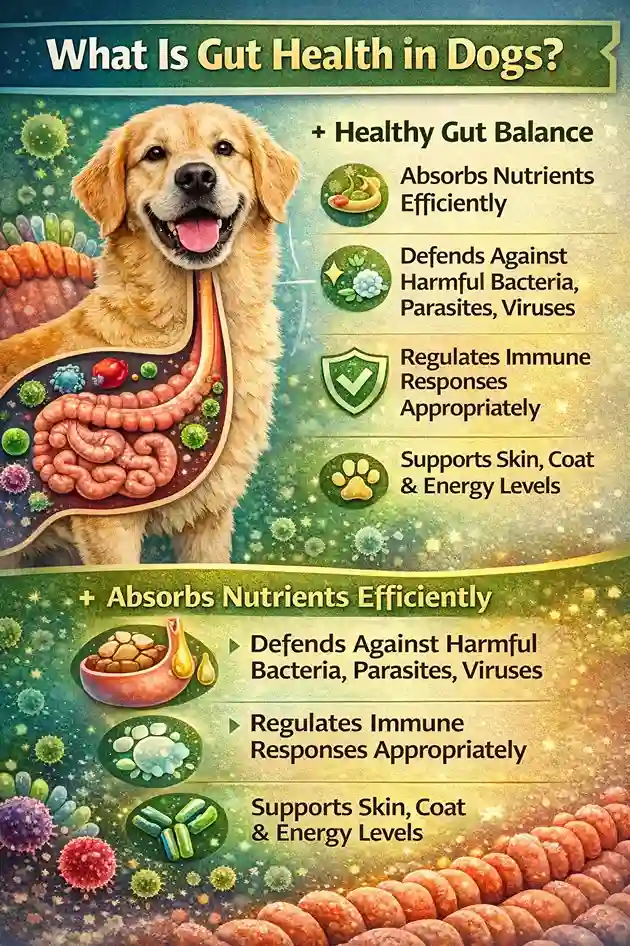
Gut health in dogs refers to the balance between beneficial gut bacteria, immune cells, and the structural integrity of the intestinal lining. When this balance is healthy, the digestive tract can:
- Absorb nutrients efficiently
- Defend against harmful bacteria, parasites, and viruses
- Regulate immune responses appropriately
- Support healthy skin, coat, and energy levels
When gut balance is disrupted—due to antibiotics, poor diet, illness, or stress—immune function weakens, increasing susceptibility to disease.
How the Gut and Immune System Are Connected in Dogs?
The canine intestinal tract is lined with specialized immune tissues collectively known as gut-associated lymphoid tissue (GALT). These tissues constantly communicate with gut bacteria and food particles.
Key Immune Functions of the Canine Gut
- Training immune cells to distinguish threats from harmless substances
- Preventing excessive inflammation caused by allergens
- Blocking pathogens from entering the bloodstream
- Supporting antibody production and immune memory
This close interaction explains why dogs with poor gut health often experience frequent infections, allergies, chronic inflammation, and fatigue.
Gut Bacteria: The Foundation of Canine Immune Health
The dog’s gut hosts trillions of microorganisms, collectively known as the gut microbiome. Beneficial bacteria play a central role in immune regulation.
How Healthy Gut Bacteria Support Immunity
- Produce antimicrobial compounds that inhibit pathogens
- Strengthen the intestinal barrier
- Reduce chronic inflammation
- Balance immune cell activity
When this balance is disrupted—a condition known as dysbiosis—the immune system may become overactive or suppressed, contributing to allergies, autoimmune reactions, and digestive disorders.
Signs of Poor Gut Health Affecting a Dog’s Immune System
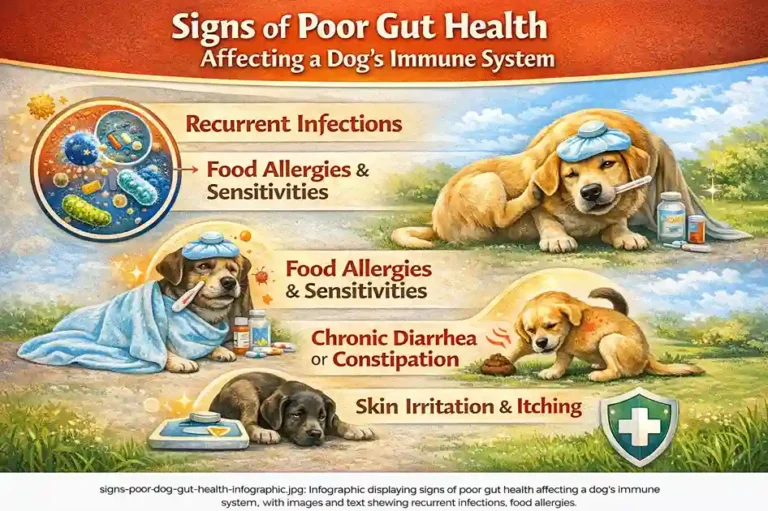
Dogs with compromised gut health often show immune-related symptoms such as:
- Recurrent infections or slow recovery from illness
- Food allergies or sensitivities
- Chronic diarrhea or constipation
- Skin irritation, itching, or dull coat
- Lethargy and unexplained weight changes
- Reduced stamina and physical performance
These signs frequently indicate immune stress originating in the gut.
Diet and Gut Health: Where the Immune System Begins
A dog’s diet directly influences gut bacteria and immune resilience.
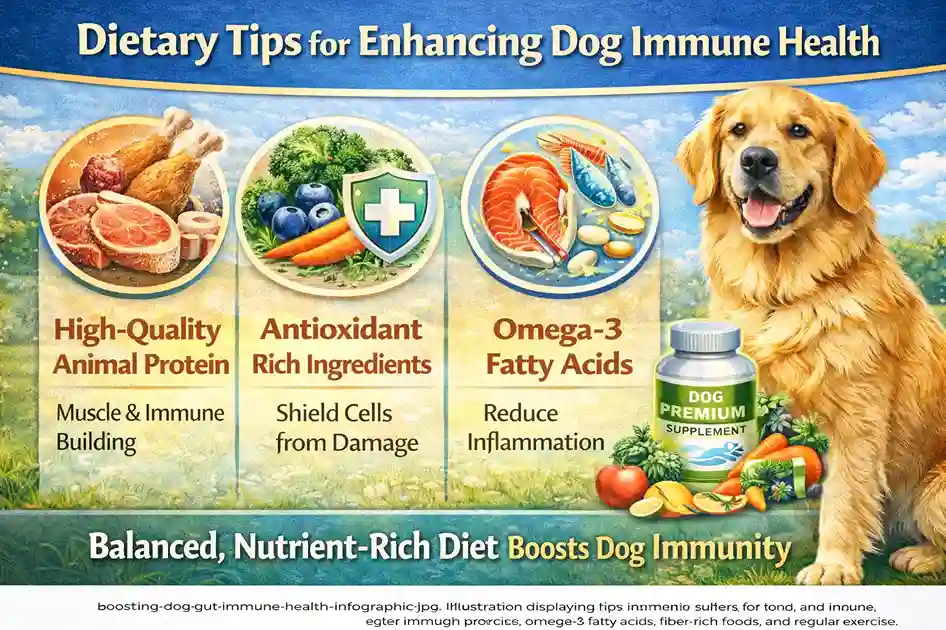
Immune-Supportive Nutritional Components
- High-quality animal protein
- Fiber-rich whole foods
- Antioxidant-rich ingredients
- Omega-3 fatty acids
In contrast, highly processed diets, artificial additives, and low-quality fillers can damage gut bacteria, increase inflammation, and weaken immune defenses.
Role of Probiotics in Supporting Dog Immune Health
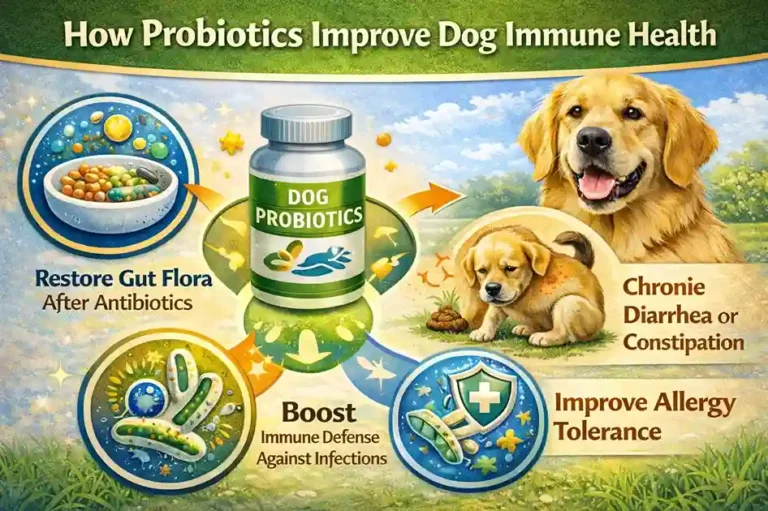
Probiotics for dogs are beneficial bacteria that help restore microbial balance and support immune function.
Immune Benefits of Probiotics
- Rebuild gut flora after antibiotics
- Reduce intestinal inflammation
- Improve immune tolerance to allergens
- Enhance resistance to infections
Veterinarians often recommend dog-specific probiotic supplements for dogs with digestive disorders, immune sensitivity, or chronic stress.
Probiotics: Fuel for a Strong Canine Immune System
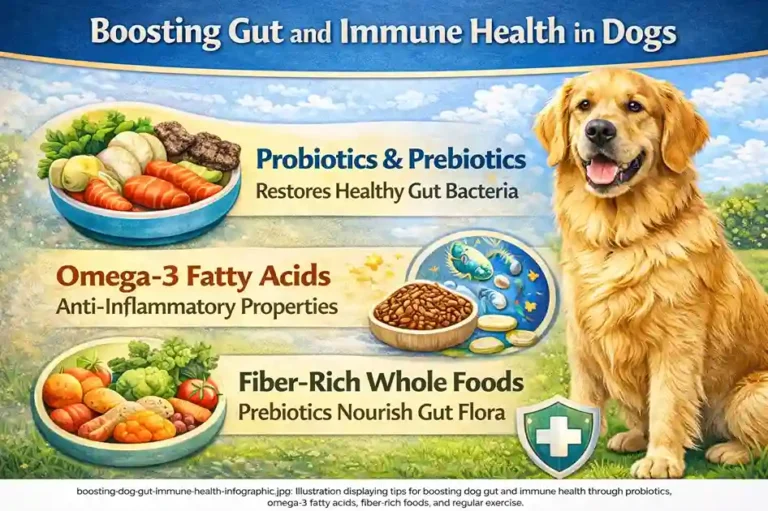
Probiotics are nondigestible fibers that nourish beneficial gut bacteria.
Common Prebiotic Sources for Dogs
- Inulin
- Fructooligosaccharides (FOS)
- Natural plant fibers
Prebiotics improve microbial diversity, strengthen gut barriers, and indirectly enhance immune defense.
Omega-3 Fatty Acids and Immune Regulation in Dogs
Omega-3 fatty acids play a crucial role in controlling inflammation in both the gut and immune system.
Benefits of Omega-3s for Immune Health
- Reduced inflammatory responses
- Improved intestinal lining integrity
- Enhanced immune tolerance
Omega-3 supplementation is commonly recommended for dogs with allergies, autoimmune tendencies, and chronic digestive inflammation.
Antibiotics, Gut Damage, and Immune Suppression
While antibiotics can be lifesaving, they often disrupt beneficial gut bacteria.
Potential Long-Term Effects
- Weakened immune responses
- Increased susceptibility to illness
- Chronic digestive imbalance
Veterinarians frequently recommend probiotic and prebiotic support after antibiotic treatment to restore gut health and immune stability.
Gut Health, Allergens, and Immune Overreaction
Poor gut integrity increases intestinal permeability, sometimes referred to as “leaky gut.” This allows allergens to stimulate immune responses.
This may result in:
- Food allergies
- Skin inflammation
- Chronic itching
- Recurrent infections
Maintaining gut barrier health helps the immune system tolerate harmless substances while responding effectively to true threats.
Lifestyle Factors That Influence Gut and Immune Health in Dogs
Beyond nutrition, lifestyle plays a major role in gut-immune balance.
Supportive Lifestyle Practices
- Regular exercise and activity
- Stress reduction and routine consistency
- Adequate sleep and recovery
- Routine wellness visits with a veterinarian
A stable, healthy lifestyle strengthens immune resilience and digestive balance.
When to Consult a Veterinarian
Seek veterinary guidance if your dog experiences:
- Chronic digestive symptoms
- Frequent illness or infections
- Weight loss or lethargy
- Persistent skin or immune-related issues
Veterinarians may recommend dietary changes, gut-supporting supplements, or diagnostic testing to identify underlying immune dysfunction.
Medical Disclaimer:
This article is based on:
- Veterinary consensus
- Gut–immune research in animals
- Established nutritional science
Guidance aligns with principles supported by organizations such as the American Veterinary Medical Association.
This content is educational and does not replace professional veterinary advice.
Frequently Asked Questions (FAQs)
1. How does gut health affect a dog’s immune system?
The gut regulates immune responses and disease resistance.
2. Can poor digestion weaken immunity in dogs?
Yes, digestive imbalance directly weakens immune defenses.
3. Are probiotics good for a dog’s immune system?
Yes, when dog-specific and vet-approved.
4. Do antibiotics damage gut immunity?
They can, which is why gut restoration is important.
5. Can gut health influence skin allergies in dogs?
Yes, poor gut health often triggers allergic responses.
6. What foods support immune health in dogs?
High-quality protein, fiber, and omega-3 fats.
References
Hand, M. S., Thatcher, C. D., Remillard, R. L., Roudebush, P., & Novotny, B. J. (2010). Small animal clinical nutrition (5th ed.). Mark Morris Institute.
Washabau, R. J., & Day, M. J. (2013). Canine and feline gastroenterology. Elsevier.