
Why Is My Dog's Poop Soft at the End of the Walk?
Written by: Dr. Akram Khan, DVM
Medically Reviewed by: Dr. Khalid Mehmood, PhD (Assistant Professor in Clinical Veterinary Medicine)
Last updated on October 30, 2026
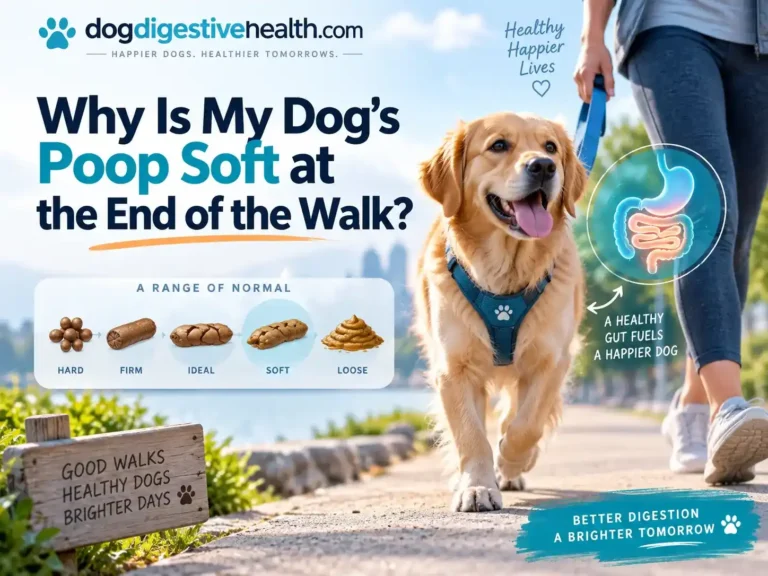
Have you noticed that your dog’s first poop during a walk looks normal and firm, but the poop later in the same walk becomes softer, mushier, or more difficult to pick up? This is a common pattern that can leave many dog owners wondering whether something is wrong with their pet’s digestion.
In many healthy dogs, a softer final bowel movement during a walk can happen because stool does not move through the digestive system at the same speed. The colon plays an important role in storing stool and removing water before it leaves the body. When stool spends less time in the colon, it may contain more moisture and appear softer.
Your dog’s poop may become softer at the end of a walk because the first bowel movement has usually spent more time in the colon, allowing more water absorption and creating a firmer stool. As walking stimulates intestinal movement, later bowel movements may pass faster with less water removed, resulting in softer stool. This pattern is often normal when your dog is otherwise healthy, active, eating normally, and showing no signs of illness.
Why Does My Dog's Poop Start Solid Then Get Soft During a Walk?

A common stool pattern in some dogs is having a firm first bowel movement followed by softer poop later during the same walk. This happens because different portions of stool may have been present in the colon for different lengths of time.
The first poop often contains older stool that has remained in the colon longer. During this time, the colon absorbs water, helping create a more formed consistency.
Later bowel movements may contain newer stool that has moved through the digestive tract more quickly. Because there has been less time for water absorption, the stool may appear softer or less formed.
This difference in timing can explain why a dog’s poop starts firm and gradually becomes soft during a walk.
Why Does My Dog's Poop Get Softer With Each Poop on a Walk?
Some dogs have multiple bowel movements during a single walk, with each one becoming progressively softer. This can occur because walking stimulates movement within the gastrointestinal tract.
Physical activity, excitement, and environmental stimulation can increase intestinal activity. As the digestive tract becomes more active, stool may move through the colon at a faster rate.
When stool moves faster, the colon has less opportunity to remove water before elimination. As a result, later bowel movements may have a softer texture compared with the first poop.
A gradual change from firm to softer stool during one walk is different from sudden watery diarrhea or ongoing digestive upset.
Is It Normal for Dog Poop to Get Softer During a Walk?
A slightly softer final poop may be normal for some dogs, especially when there are no other health concerns.
Healthy stool consistency can naturally vary depending on digestion, activity level, hydration, diet, and bowel movement frequency.
Normal Soft Poop During a Walk | Possible Digestive Concern |
First poop is firm, later poop becomes softer | Stool is watery from the start |
Happens occasionally or follows the same pattern | Continues frequently for several days |
Dog remains active and behaves normally | Dog appears tired or uncomfortable |
No blood or excessive mucus | Blood, mucus, or unusual stool changes |
Appetite and weight remain normal | Appetite loss or weight changes |
Monitoring your dog’s overall health and normal stool pattern is often more useful than judging one bowel movement alone.
Why Is My Dog's Last Poop on a Walk Soft?
The final poop during a walk may be softer because the colon has already passed the firmer stool that was stored longer.
The large intestine is responsible for several important functions, including stool storage and regulation of water content. The amount of water remaining in feces strongly affects whether stool appears firm, soft, or loose (1).
When later stool moves through the digestive tract more quickly, there may be less time for water removal. This can create a softer consistency without necessarily indicating disease.
The key factor is whether the pattern is occasional and stable or whether it represents a sudden change from your dog’s normal bowel habits.
Can Walking Make a Dog's Poop Softer?
Walking can influence bowel movements in some dogs because physical activity affects gastrointestinal motility.
During a walk, movement and stimulation can encourage the intestines to contract and move contents forward. Some dogs naturally respond to this increased activity by needing to poop more than once.
Dogs that frequently sniff, explore, or become excited outdoors may show this effect more noticeably. Their digestive system may respond to the combination of movement and environmental stimulation.
A softer stool after walking does not automatically mean there is a digestive problem. It is important to consider the complete picture, including frequency, stool appearance, appetite, and behavior.
Why Does My Dog Have Soft Stool After Exercise?
Exercise-related stool changes can occur because activity influences how quickly material moves through the digestive tract.
Some dogs have a more noticeable response to physical activity, especially during longer walks or highly stimulating outdoor experiences.
Changes in intestinal movement can affect stool consistency because the digestive system needs enough time for the colon to absorb water and form solid feces. Research on canine digestive function has shown that factors affecting colonic absorption and fecal water content can influence stool quality (2).
If your dog’s stool returns to normal after the walk and there are no other symptoms, the change may simply reflect an individual digestive response.
When Should I Be Concerned About Soft Poop at the End of a Walk?
A softer final bowel movement is not always a cause for concern, but persistent or worsening changes should be evaluated.
Contact your veterinarian if your dog experiences:
- Frequent watery diarrhea
- Blood in the stool
- Excessive mucus
- Vomiting
- Loss of appetite
- Weight loss
- Low energy
- Pain or repeated straining during bowel movements
Sudden or ongoing changes in stool consistency may indicate an underlying digestive issue that requires professional assessment.
How Can I Track My Dog's Stool Pattern During Walks?
Keeping track of your dog’s bowel habits can help you understand whether softer stool during walks is part of a normal pattern.
Useful things to monitor include:
- Number of bowel movements during each walk
- Difference between the first and last poop
- Changes in food or treats
- Activity level
- Stress or excitement during walks
- Stool consistency over several days
A consistent pattern in an otherwise healthy dog is usually less concerning than a sudden unexplained change.
Medical Disclaimer
This article is for educational purposes only and is not a substitute for professional veterinary advice, diagnosis, or treatment. If your dog has persistent changes in stool consistency, worsening symptoms, or signs of illness, consult a qualified veterinarian for proper evaluation.
Frequently Asked Questions(FAQs)
1. Why does my dog's poop start solid then get soft during a walk?
The first poop is often firmer because it has spent more time in the colon, while later stool may be softer due to faster movement through the digestive system.
2. Is it normal for my dog's poop to get softer at the end of a walk?
A softer final poop can be normal if your dog is healthy, active, eating normally, and has no other concerning signs.
3. Why does my dog poop multiple times during a walk?
Walking can stimulate intestinal movement, causing some dogs to have several bowel movements during one outing.
4. Can exercise make my dog's poop softer?
Yes. Physical activity can increase gut movement in some dogs and may lead to softer stool during or after a walk.
5. When should I worry about soft poop during walks?
Seek veterinary advice if soft stool continues, becomes watery, or occurs with symptoms such as blood, vomiting, appetite changes, or low energy.
References
- Rolfe VE, Adams CA, Butterwick RF, Batt RM. Relationships between fecal consistency and colonic microstructure and absorptive function in dogs. American Journal of Veterinary Research.2002;63(4):479–484.
DOI: 10.2460/ajvr.2002.63.479 - Hernot DC, Dumon HJW, Biourge VC, et al. Relationship between electrolyte apparent absorption and fecal quality in dogs. Journal of Nutrition.2004;134(8 Suppl):2117S–2119S.
DOI: 10.1093/jn/134.8.2117S