
Digestive Enzymes for Dogs With Pancreatitis: When Are They Actually Needed?
Written by: Dr. Akram Khan, DVM
Medically Reviewed by: Dr. Khalid Mehmood, PhD
Last updated on October 20, 2026
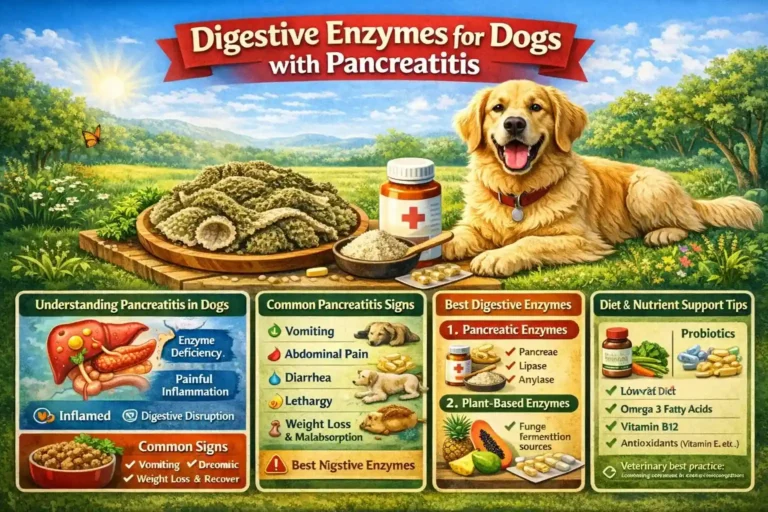
Pancreatitis causes inflammation of the pancreas, but it does not automatically mean that a dog needs digestive-enzyme supplements. Most dogs with acute pancreatitis are treated with veterinary supportive care, including fluid therapy when needed, pain and nausea control, and appropriate nutritional support. However, repeated or chronic pancreatic damage can sometimes lead to exocrine pancreatic insufficiency (EPI), a condition in which the pancreas does not produce enough digestive enzymes. In dogs with confirmed EPI, pancreatic enzyme replacement is an important part of treatment. This article explains when digestive enzymes may be appropriate, when they are unlikely to help, and what signs suggest that a dog with pancreatitis should be evaluated for EPI.
Modern reviews of canine acute pancreatitis emphasize supportive management, including fluids, antiemetics, analgesia and nutritional support—not routine digestive-enzyme supplementation.
Understanding Pancreatitis in Dogs
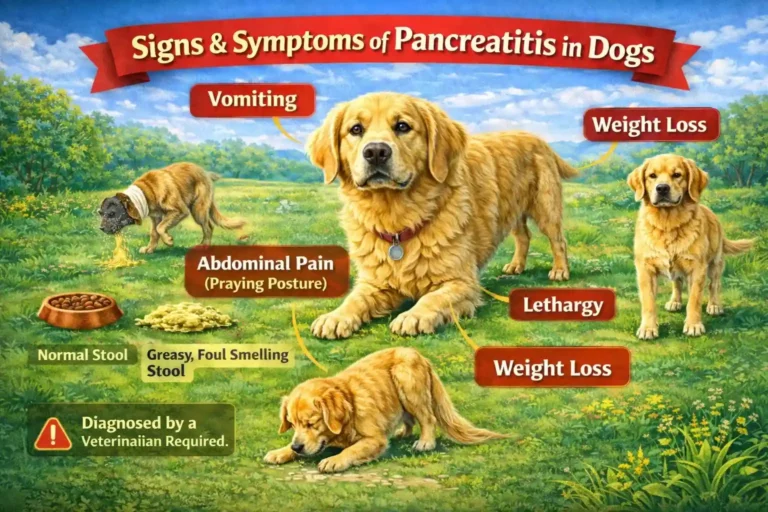
What Is Pancreatitis?
Pancreatitis occurs when digestive enzymes become activated inside the pancreas instead of the small intestine. This leads to:
- Pancreatic inflammation
- Abdominal pain
- Tissue damage
- Disrupted insulin regulation
- In some dogs, chronic or recurrent pancreatic damage can eventually contribute to exocrine pancreatic insufficiency (EPI) or diabetes mellitus.
Common Signs and Symptoms of Pancreatitis in Dogs
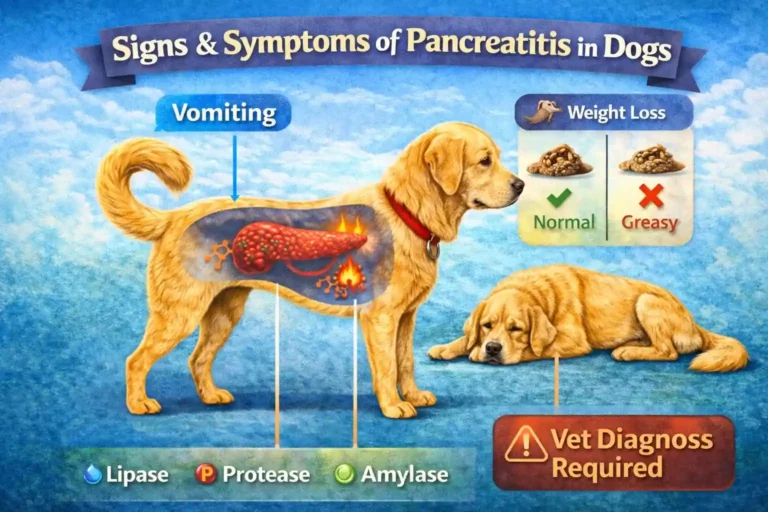
Dogs with acute or chronic pancreatitis may show:
- Vomiting and persistent nausea
- Abdominal pain (praying posture)
- Loss of appetite
- Diarrhea or greasy, foul-smelling stools
- Lethargy and weakness
- Weight loss despite eating
- Nutrient deficiencies, especially vitamin B12 (cobalamin)
⚠️ Important: Pancreatitis can be acute or chronic, and enzyme use depends heavily on disease stage and veterinary guidance (Johns, M., & Johnson, P., 2020).
Role of Digestive Enzymes in Dogs with Pancreatitis
Why Digestive Enzymes Matter
Dogs with pancreatitis frequently develop:
- Reduced pancreatic enzyme output
- Fat, protein, and carbohydrate malabsorption
- Increased intestinal inflammation
- Secondary gut microbiome imbalance
Digestive enzyme supplements may help by:
- Reducing the pancreas’s digestive workload
- Improving breakdown of food molecules
- Enhancing nutrient absorption
- Minimizing gastrointestinal stress and post-meal discomfort (Klein, R. L., & Tilley, L. P., 2022).
Are Digestive Enzymes Safe for Dogs with Pancreatitis?
Veterinary Perspective
Digestive enzymes can be beneficial, but timing, dosage, and enzyme type are critical.
✔️ Most beneficial for:
- Chronic pancreatitis
- Post-acute recovery phase
- Dogs with enzyme insufficiency
- Dogs with persistent diarrhea or greasy stools
❌ Avoid or delay use during:
- Acute pancreatitis flare-ups (unless directed by a vet)
- Severe inflammation requiring hospitalization
Veterinary supervision is essential to prevent complications (Patel, S. A., & Johnson, T. F., 2021).
Best Types of Digestive Enzymes for Dogs with Pancreatitis
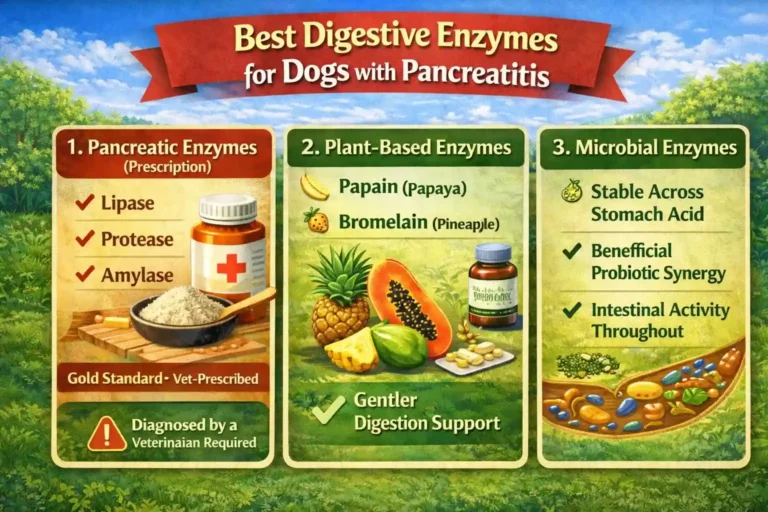
1. Pancreatic Enzymes (Prescription-Grade)
Examples: Pancreatin, Pancrelipase (vet-prescribed formulations)
Contain:
- Lipase
- Protease
- Amylase
Why they’re effective:
- Closest match to natural pancreatic enzymes
- Reduce digestive workload during recovery
- Commonly used in enzyme deficiency and chronic pancreatitis
✔️ Gold standard for medically indicated cases
3. Plant-Based Digestive Enzymes (Gentler Option)
Derived from:
- Papaya (papain)
- Pineapple (bromelain)
- Fungal fermentation sources
Benefits:
- Lower pancreatic stimulation
- Often better tolerated by sensitive dogs
- Useful for mild digestive support or maintenance
3. Microbial Digestive Enzymes
Produced through beneficial microbial fermentation:
- Stable across stomach acid
- Active throughout the intestinal tract
- Often combined with probiotics
✔️ Popular in veterinary digestive blends
✔️ Support digestion without excessive pancreatic strain
Enzyme Overload: A Real Risk to Avoid
Excessive enzyme dosing can:
- Increase gastrointestinal irritation
- Cause nausea, diarrhea, or abdominal pain
- Trigger inflammation in sensitive dogs
Best practice:
- Start with a low dose
- Increase gradually
- Monitor stool, appetite, and comfort
- Adjust only under veterinary guidance
Supporting Nutrients for Dogs with Pancreatitis
Vitamin B12 (Cobalamin)
- Frequently deficient in pancreatic disease
- Essential for digestion, appetite, and energy
- Often requires injectable or oral supplementation
Omega-3 Fatty Acids (EPA & DHA)
- Reduce systemic inflammation
- Support immune modulation
- Aid pancreatic recovery
Antioxidants (Vitamin E & Others)
- Reduce oxidative stress
- Support tissue repair
- Protect pancreatic cells
Diet and Lifestyle Support When Using Enzymes

Best Diet Practices for Pancreatitis
✔️ Low-fat diet
✔️ Highly digestible proteins
✔️ Small, frequent meals
✔️ Avoid table scraps and high-fat treats.
Lifestyle Adjustments
- Stress reduction
- Consistent feeding schedule
- Weight management
- Avoid sudden diet changes
Digestive enzymes work best when paired with appropriate nutrition and routine stability.
Signs Digestive Enzymes Are Helping
Positive signs include:
- Improved stool consistency
- Reduced bloating and gas
- Better appetite
- Increased energy levels
Weight stabilization
Risks , Side effect and Precautions
Possible side effects include:
- Mild nausea
- Loose stools during adjustment
- Enzyme intolerance
❗ Stop supplementation and consult a veterinarian if:
- Pain worsens
- Vomiting increases
- Signs of acute pancreatitis return
Recovery and Long-Term Management
Digestive enzymes are not a cure, but they are a powerful long-term management tool when used correctly.
Best outcomes occur when enzymes are combined with:
- Veterinary-guided treatment
- Anti-inflammatory diet
- Probiotics
- Nutrient supplementation
- Lifestyle modifications
Medical Disclaimer
This article is for educational purposes only and does not replace professional veterinary advice. Always consult a licensed veterinarian for diagnosis or treatment of digestive conditions.
Frequently Asked Questions (FAQs)
1. Can digestive enzymes cure pancreatitis in dogs?
No. They support digestion but do not treat pancreatic inflammation.
2. Can enzymes replace pancreatitis medications?
No. They are supportive, not a replacement.
3. How long do digestive enzymes take to work?
Digestive improvement is often seen within 7–14 days.
4. Are plant-based enzymes safer than pancreatic enzymes?
They are gentler but may be less effective in severe cases.
5. Should enzymes be given for life?
Some dogs with chronic pancreatitis benefit from long-term use under veterinary guidance.
6. Can puppies with pancreatitis use enzymes?
Only under strict veterinary supervision.
References
Lim SY, Cridge H, Twedt DC, et al. (2024). Management of acute-onset pancreatitis in dogs: a Narrative Review. Journal of the American Veterinary Medical Association. DOI: 10.2460/javma.24.02.0107.
Cridge H, Parker VJ, Kathrani A. (2024). Nutritional management of pancreatitis and concurrent disease in dogs and cats. Journal of the American Veterinary Medical Association. DOI: 10.2460/javma.23.11.0641.
Cridge H, Williams DA, Barko PC. (2024). Exocrine pancreatic insufficiency in dogs and cats. Journal of the American Veterinary Medical Association. DOI: 10.2460/javma.23.09.0505.
Parambeth JC, Fosgate GT, Suchodolski JS, Lidbury JA, Steiner JM. (2018). Randomized placebo controlled clinical trial of an enteric coated micro-pelleted formulation of a pancreatic enzyme supplement in dogs with exocrine pancreatic insufficiency. Journal of Veterinary Internal Medicine. DOI: 10.1111/jvim.15235.
Merck Veterinary Manual. Pancreatitis in Dogs and Cats and Exocrine Pancreatic Insufficiency in Dogs and Cats. The professional EPI page was reviewed/updated in 2025.