
Best Hypoallergenic Ceramic Dog Bowls for Sensitive Canine Stomachs
Written by: Dr. Akram Khan, DVM
Medically Reviewed by: Dr. Khalid Mehmood, PhD (Assistant Professor in Clinical Veterinary Medicine)
Last updated on October 29, 2026
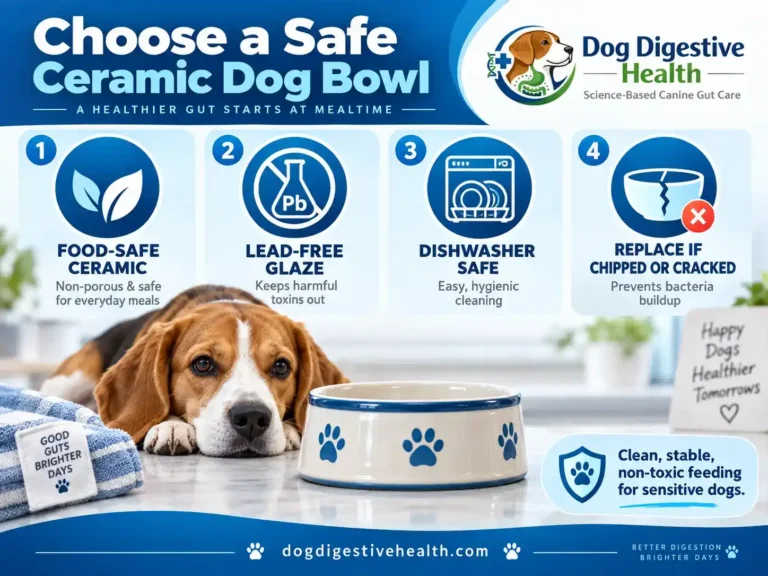
A Medical Guide to Choosing Safe Feeding Materials
Choosing the right feeding bowl is an often-overlooked part of supporting a dog’s daily comfort and hygiene. For dogs with sensitive stomachs, pet parents usually want a bowl that is safe, easy to maintain, stable during meals, and made from materials that minimize unnecessary exposure to potential irritants.
Ceramic dog bowls have become a popular choice because they combine a smooth surface, attractive design, and excellent stability. However, not all ceramic bowls provide the same level of safety. The quality of the glaze, manufacturing standards, and overall construction determine whether a ceramic bowl is truly suitable for sensitive dogs.
A well-selected bowl cannot treat digestive disorders, but it can support better feeding practices by providing a clean and hygienic surface for everyday meals.
A hypoallergenic ceramic dog bowl is a feeding bowl made from food-safe ceramic with a smooth, non-porous surface and a tested glaze designed to reduce potential irritants. The ideal option should have a lead-free, cadmium-free glaze, durable construction, easy cleaning properties, and a surface that remains intact during regular use. While the bowl itself does not prevent digestive conditions, choosing safe materials can support better feeding hygiene and reduce avoidable contamination risks.
Are Ceramic Dog Bowls Good for Dogs With Sensitive Stomachs?
Ceramic dog bowls can be a suitable choice for dogs with sensitive stomachs when they are made from high-quality, food-safe materials. Their smooth surface allows easier cleaning and reduces the likelihood of food residue remaining trapped compared with damaged or heavily scratched surfaces.
For sensitive dogs, the main benefits of ceramic bowls include:
- Smooth, non-porous interior surfaces
- Better stability because of heavier construction
- Easy cleaning compared with some lightweight materials
- Reduced risk of odor retention
- Availability of food-safe glaze options
However, the term “hypoallergenic” does not mean that a bowl can eliminate allergies or digestive problems. It refers to a design approach focused on reducing unnecessary irritants through safer materials and improved hygiene.
What Makes a Ceramic Dog Bowl Hypoallergenic and Safe?
A truly suitable ceramic dog bowl for sensitive dogs depends on several important features rather than appearance alone.
Food-Safe Ceramic Construction
The bowl should be manufactured specifically for food contact. Ceramic products with unknown coatings, decorative-only finishes, or unclear manufacturing information may not be appropriate for daily feeding.
Lead-Free and Cadmium-Free Glaze
The glaze is the surface that contacts your dog’s food and water. Poorly manufactured ceramic coatings may create concerns regarding heavy metal migration, particularly when glaze quality is inadequate or the surface becomes damaged (1).
Smooth, Non-Porous Surface
A well-finished ceramic bowl provides a surface that is easier to wash and less likely to retain food particles. Bowl cleanliness is influenced by material properties, surface condition, and cleaning practices (2).
Durable Finish without Cracks
Cracks and chips can create areas that are difficult to clean effectively. Any ceramic bowl showing visible damage should be replaced.
Choosing a Non-Toxic Ceramic Dog Bowl: Safety Features That Matter

When selecting a ceramic dog bowl for a sensitive dog, focus on practical safety features rather than decorative appearance.
Look for:
- Food-grade ceramic labeling
- Clear manufacturer information
- Lead-free glaze claims
- Dishwasher-safe instructions
- Smooth interior finish
- Heavy, stable base design
Avoid bowls that:
- Are sold only as decorative items
- Have unknown glaze ingredients
- Show cracks, chips, or rough surfaces
- Lack safety information from the manufacturer
Ceramic products intended for food contact should be manufactured carefully because glaze composition and firing processes influence whether metals can migrate from ceramic surfaces (3).
Ceramic vs. Stainless Steel vs. Plastic Dog Bowls for Sensitive Dogs
Feature | Ceramic Dog Bowl | Stainless Steel Dog Bowl | Plastic Dog Bowl |
Surface | Smooth when properly glazed | Smooth metal surface | May develop scratches over time |
Cleaning | Easy to clean; many are dishwasher safe | Very easy to sanitize | Requires replacement when damaged |
Stability | Heavy and less likely to move | Depends on design and weight | Often lightweight and may slide |
Durability | Stable but can crack if dropped | Highly durable | Less durable over long-term use |
Safety Consideration | Choose food-safe, tested glaze | No glaze-related concerns | Avoid damaged or scratched bowls |
Best Use | Owners seeking a premium, stable feeding surface | Maximum durability and easy maintenance | Short-term economical option |
The safest choice depends on the individual dog and owner preferences. For those specifically choosing ceramic, verified materials and proper maintenance are more important than the material name alone.
Best Hypoallergenic Ceramic Dog Bowls for Sensitive Canine Stomachs
A high-quality ceramic bowl should combine safety, durability, and practical everyday use. The following options are commonly considered by owners looking for premium ceramic feeding solutions.
Fable Ceramic Dog Bowl
Best for: Premium design and stable feeding
Features:
- Food-safe ceramic construction
- Weighted base
- Smooth interior surface
- Dishwasher-friendly design
This option is suitable for owners who want a stylish ceramic bowl with a focus on stability and daily convenience.
Mora Pets Ceramic Dog Bowl
Best for: Safety-focused buyers
Features:
- Stoneware ceramic construction
- Heavy design
- Easy-clean surface
- Safety-focused manufacturing information
It is often considered by owners looking for a lead-free ceramic dog bowl with a durable design.
Bone Dry Ceramic Dog Bowl
Best for: Everyday ceramic feeding
Features:
- Multiple size options
- Ceramic construction
- Easy maintenance
- Functional designs for different breeds
It provides a practical choice for households wanting a simple ceramic feeding solution.
How Do I Know If a Ceramic Dog Bowl Is Non-Toxic?
Before purchasing a ceramic bowl, review the manufacturer’s safety information carefully.
Important indicators include:
- Food-safe ceramic materials
- Lead-free and cadmium-free glaze information
- Quality manufacturing standards
- Instructions for proper cleaning and care
A reliable manufacturer should provide enough information for owners to make an informed decision.
Traditional or poorly manufactured glazed ceramics may carry higher concerns because some glazes can contain substances capable of migrating into food under certain conditions (1). For everyday pet feeding, choosing a reputable product designed specifically for food use is the safest approach.
Are Ceramic Dog Bowls Dishwasher Safe?
Many ceramic dog bowls are dishwasher safe, but owners should always follow the manufacturer’s instructions.
Regular washing helps remove:
- Food residue
- Oils
- Odors
- Surface contamination
Cleaning frequency is especially important for dogs eating wet food because moisture and leftover food particles can encourage microbial growth. Research on pet feeding bowls highlights the importance of cleaning methods and bowl condition in reducing contamination risks (2).
Medical Disclaimer
This article is intended for educational purposes only and does not replace professional veterinary advice. Every dog has unique health needs, and digestive concerns, allergies, or feeding-related problems should be discussed with a qualified veterinarian. Product suitability may vary depending on an individual dog’s health status and needs.
Frequently Asked Questions(FAQs)
1. Are ceramic dog bowls good for dogs with sensitive stomachs?
Yes. A food-safe ceramic bowl with a smooth surface can be a suitable option because it supports easier cleaning and better feeding hygiene.
2. What makes a ceramic dog bowl hypoallergenic?
A hypoallergenic ceramic dog bowl typically uses safe materials, a smooth surface, and a properly tested glaze designed to minimize potential irritants.
3. Are ceramic bowls safer than plastic bowls for sensitive dogs?
Ceramic bowls may be preferred because they provide a durable, smooth surface that does not develop the same type of scratches common with some plastic bowls.
4. How do I know if a ceramic dog bowl is non-toxic?
Look for food-safe ceramic, lead-free glaze information, reliable manufacturing details, and a bowl that remains free from cracks or damage.
5. Which ceramic dog bowl is best for sensitive stomachs?
The best choice is one with safe materials, easy cleaning, stable construction, and a durable glaze suitable for regular feeding.
References
- Abou-Arab, A. A. K. (2001). Release of lead from glaze-ceramicware into foods cooked by open flame and microwave. Food Chemistry, 73(2), 163–168.
DOI: 10.1016/S0308-8146(00)00256-9 - Raspa, F., Schiavone, A., Pattono, D., & Galaverna, D. (2023). Pet feeding habits and the microbiological contamination of dog food bowls: effect of feed type, cleaning method and bowl material. BMC Veterinary Research, 19, 261.
DOI: 10.1186/s12917-023-03823-w